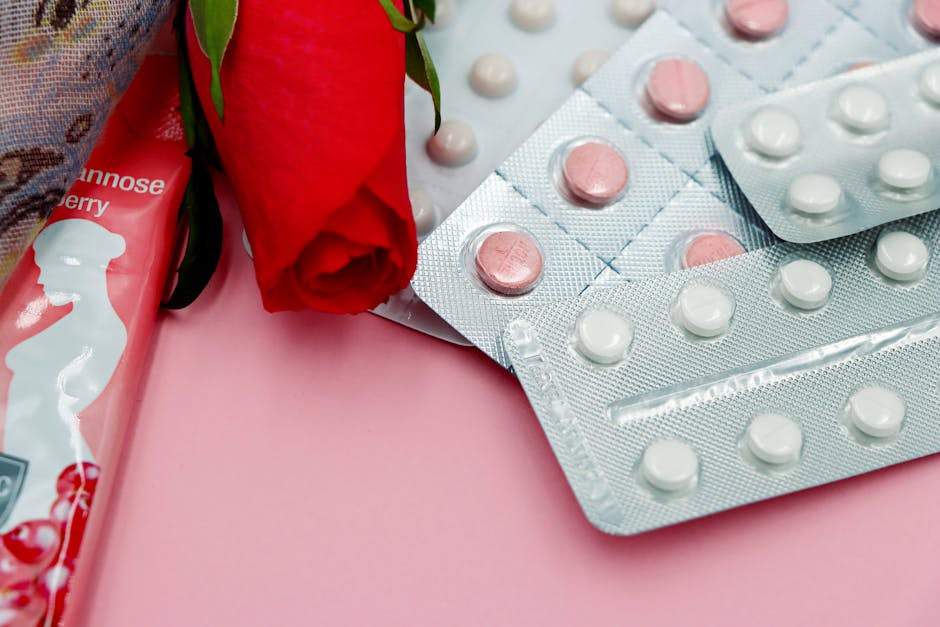
In this article, we’ll explore: Hormonal mechanisms of womens risk in the face of traumatic stress and why it matters today.
Related:
👉 Navigating the Niggles: 8 Foods To Avoid With an Upset Stomach and What To Eat Instead for Soothing Relief
👉 Unpacking the Invisible Burden: How Hormonal Mechanisms Shape Women's Risk in the Face of Traumatic Stress
👉 PCOS and Fertility: Unpacking the Endometrial Mystery of ER and Histone Lactylation
Learn more: Hormonal mechanisms of womens risk in the face of traumatic stress on Wikipedia
Life throws curveballs at all of us. Sometimes, these curveballs are more like meteorites – sudden, devastating events that leave a lasting impact. We call this traumatic stress, and its echoes can reverberate through our minds and bodies long after the event itself. While everyone can experience trauma, it’s a well-documented, albeit often overlooked, fact that women tend to face a higher risk of developing conditions like Post-Traumatic Stress Disorder (PTSD), anxiety, and depression following such events.
Why is this the case? Is it purely sociological, psychological, or something deeper, woven into our very biology? The answer, as science is increasingly revealing, is a fascinating and complex interplay, with a significant player being our hormones. Yes, those powerful chemical messengers that dictate so much of our female experience – from puberty to pregnancy to menopause – also hold sway over how our brains and bodies react to, and recover from, traumatic stress. Understanding the **hormonal mechanisms of women’s risk in the face of traumatic stress** isn’t about labeling one gender as “weaker,” but about empowering us with knowledge, fostering empathy, and paving the way for more tailored and effective support.
Imagine your body as a magnificent orchestra. When trauma strikes, it’s like a sudden, jarring chord. For some, the orchestra quickly finds its rhythm again. For others, certain sections – particularly the hormonal brass and woodwinds – might struggle to regain their harmony, leading to prolonged dissonance. Let’s pull back the curtain and explore this intricate performance.
The Gendered Landscape of Trauma Response
Before we dive into the hormonal nuances, let’s acknowledge the reality: women are twice as likely as men to develop PTSD after experiencing trauma. They also tend to experience more severe and longer-lasting symptoms. This isn’t to say men don’t suffer profoundly from trauma – they absolutely do – but the *patterns* of response often differ.
Think of it this way: if a house catches fire (the traumatic event), everyone inside will be affected. But depending on their unique vulnerabilities (pre-existing conditions, where they were in the house, etc.), the long-term impact on each individual might be different. For women, their hormonal landscape often represents a unique set of vulnerabilities and strengths in this scenario.
The Hormonal Orchestra: Key Players and Their Roles
Our bodies are constantly awash in a symphony of hormones, each playing a critical role in our physical and mental well-being. When it comes to stress and trauma, a few key players take center stage.
Estrogen: The Brain’s Shifting Protector
Estrogen, often dubbed the “female hormone,” is far more than just a reproductive chemical. It’s a powerful neurosteroid, meaning it acts directly on the brain. Estrogen influences mood, memory, cognitive function, and even how our brain cells connect.
* **The Good News:** Estrogen can be neuroprotective. It can help regulate serotonin (a feel-good neurotransmitter), enhance memory consolidation, and even reduce inflammation in the brain. In many ways, it can act as a buffer against stress.
* **The Complication:** The catch is, estrogen levels aren’t static. They fluctuate dramatically throughout a woman’s life:
* **Menstrual Cycle:** From the high peaks before ovulation to the sharp drops before menstruation, these shifts can influence a woman’s emotional resilience. Many women report increased anxiety or mood swings during their pre-menstrual phase, a time when estrogen is low. If trauma occurs or symptoms are exacerbated during these low-estrogen windows, the impact can be more profound.
* **Pregnancy and Postpartum:** The enormous hormonal shifts during and after pregnancy can create periods of both increased resilience and vulnerability. The “baby blues” and postpartum depression are stark examples of how hormonal changes impact mood.
* **Perimenopause and Menopause:** As estrogen levels decline significantly and become erratic, many women report heightened anxiety, sleep disturbances, and a general feeling of being “on edge.” This period can be a particularly vulnerable time for processing past traumas or coping with new stressors.
Imagine Sarah, who experienced a car accident a few years ago. While she’s mostly recovered, she notices her anxiety spikes dramatically in the week before her period, bringing back vivid flashbacks and making her feel overwhelmed. This isn’t “all in her head”; it’s a very real manifestation of how her fluctuating estrogen levels might be influencing her brain’s ability to regulate her trauma response.
Progesterone: The Calming Influence (and its Withdrawal)
Progesterone is another vital female hormone, often working in tandem with estrogen. It’s known for its calming, anxiolytic (anxiety-reducing) effects. Progesterone metabolites interact with GABA receptors in the brain – the same receptors targeted by anti-anxiety medications like benzodiazepines.
* **The Calming Presence:** When progesterone levels are high, many women report feeling more relaxed and less anxious. It helps to quiet the “fight or flight” response.
* **The Withdrawal Effect:** Just like estrogen, progesterone levels fluctuate. The sharp drop in progesterone after ovulation (leading up to menstruation) or after childbirth can remove this natural calming agent, potentially leaving women more exposed to anxiety and stress. This removal of the calming influence can make the brain more reactive to threat signals, exacerbating trauma symptoms.
Cortisol: The Stress Maestro (and its Dysregulation)
Cortisol is the body’s primary stress hormone, part of the Hypothalamic-Pituitary-Adrenal (HPA) axis. When you face a threat, your HPA axis kicks into gear, releasing cortisol to prepare you to “fight or flight.” Normally, once the threat passes, cortisol levels return to baseline.
* **The Initial Surge:** In the immediate aftermath of trauma, everyone experiences a cortisol surge. This is normal and adaptive.
* **The Female Difference:** Research suggests that women, especially those who go on to develop PTSD, might have a different HPA axis regulation post-trauma compared to men. Some studies indicate that women with PTSD might exhibit *lower* basal cortisol levels but an *exaggerated* response to subsequent stress. This dysregulation means the body struggles to turn off the stress response effectively, or it overreacts to minor stressors, keeping the system on high alert long after the danger has passed.
This dysregulated cortisol response is a key **hormonal mechanism of women’s risk in the face of traumatic stress**, as it directly impacts the body’s ability to return to a state of calm and safety.
Oxytocin: The Bonding Paradox
Often called the “love hormone” or “bonding hormone,” oxytocin plays a crucial role in social connection, trust, and even stress reduction. It’s released during positive social interactions, childbirth, and breastfeeding.
* **The Soothing Aspect:** Oxytocin can buffer the stress response and promote feelings of calm and connection. This is why social support is so vital after trauma.
* **The Twist:** Interestingly, recent research indicates that in certain contexts, especially after acute stress, oxytocin can actually *enhance* fear memory consolidation in some brain regions. This means that while it helps us bond, it might also contribute to the vivid, intrusive memories characteristic of PTSD, particularly in women. It’s a fascinating example of how hormones can have context-dependent effects.
The Interplay: A Complex Dance
It’s crucial to understand that these hormones don’t work in isolation. They are constantly interacting, influencing each other, and impacting various brain regions involved in emotion, memory, and fear (like the amygdala, hippocampus, and prefrontal cortex).
For example, low estrogen might make the amygdala (the brain’s fear center) more reactive. At the same time, a dysregulated cortisol response might prevent the prefrontal cortex (the brain’s executive control center) from effectively dampening that fear response. Add in the withdrawal of progesterone’s calming effects, and you have a recipe for heightened vulnerability. This intricate hormonal dance creates a unique biological landscape that contributes significantly to the **hormonal mechanisms of women’s risk in the face of traumatic stress**.
Real-World Implications and What We Can Do
Understanding these hormonal mechanisms isn’t just academic; it has profound real-world implications. It helps us see why:
* **Certain Life Stages are More Vulnerable:** Puberty, the premenstrual phase, postpartum period, and perimenopause/menopause can be critical windows where women might be more susceptible to the long-term effects of trauma or experience a worsening of existing symptoms.
* **Treatment Needs to Be Tailored:** A “one-size-fits-all” approach to trauma treatment might not be sufficient. Considering a woman’s hormonal status could lead to more effective interventions. For instance, therapies that incorporate hormonal support or timing interventions with a woman’s cycle might yield better results.
* **It’s Not “Just Stress”:** When a woman expresses that her trauma symptoms feel worse during certain times of the month or year, it’s not a figment of her imagination. It’s a legitimate biological phenomenon that deserves attention and understanding.
Take Maria, for example. She experienced childhood trauma but managed it fairly well until she entered perimenopause. Suddenly, her anxiety skyrocketed, she had difficulty sleeping, and old, intrusive memories resurfaced with terrifying intensity. Her doctor initially dismissed it as “menopausal symptoms,” but understanding the hormonal shifts explains why her brain’s capacity to regulate fear and stress might have been compromised, making her more vulnerable to the resurgence of trauma symptoms.
Beyond Biology: A Holistic Picture
While hormones play a significant role, it’s vital to remember they are just one piece of a larger, complex puzzle. Societal factors, such as higher rates of sexual assault and domestic violence against women, cultural expectations, socioeconomic status, and access to support systems, all contribute to the overall picture of women’s trauma risk and recovery. Biology and environment are not mutually exclusive; they constantly interact.
Key Takeaways
* Women are statistically more likely to develop PTSD and other trauma-related disorders than men.
* Female hormones, particularly estrogen, progesterone, cortisol, and oxytocin, play a crucial role in regulating the brain’s response to stress and trauma.
* Fluctuations in estrogen and progesterone throughout the menstrual cycle, pregnancy, and menopause can create periods of increased vulnerability to trauma symptoms.
* Dysregulation of the HPA axis and cortisol response is a key **hormonal mechanism of women’s risk in the face of traumatic stress**.
* Oxytocin, while generally beneficial, can paradoxically enhance fear memory consolidation in some post-stress contexts.
* Understanding these biological mechanisms can lead to more tailored and effective trauma treatments and support for women.
FAQ Section
Q: Does this mean women are “weaker” in the face of trauma?
A: Absolutely not. This understanding highlights biological differences, not weaknesses. It means women’s bodies and brains process trauma in unique ways, often influenced by their hormonal landscape. Recognizing these differences allows for more precise and compassionate support, rather than implying any inherent weakness.
Q: Can understanding these hormonal mechanisms help with treatment?
A: Yes, definitely! This knowledge can inform more personalized treatment approaches. For instance, therapists might consider a woman’s menstrual cycle when planning exposure therapy, or doctors might explore hormonal balancing alongside traditional psychological treatments. It opens doors for integrating endocrinology with mental health care.
Q: What can I do if I suspect hormones are affecting my trauma response?
A: The first step is to talk to a healthcare professional. This could be your general practitioner, a gynecologist, an endocrinologist, or a mental health specialist. They can help you track your symptoms, assess your hormonal health, and discuss potential strategies. Lifestyle interventions like stress management, regular exercise, balanced nutrition, and good sleep hygiene can also significantly impact hormonal balance and overall well-being. Don’t hesitate to seek professional guidance.
Embracing the Full Picture
The journey through trauma is deeply personal, yet also profoundly influenced by our shared human biology. By shedding light on the **hormonal mechanisms of women’s risk in the face of traumatic stress**, we’re not just unraveling scientific mysteries; we’re building a foundation for greater understanding, empathy, and ultimately, more effective pathways to healing. It’s a call to move beyond generic approaches and embrace the incredible complexity and resilience of the female body and mind.
Written with love and assistance and refined for quality.
{“@context”:”https://schema.org”,”@type”:”Article”,”headline”:”The Unseen Symphony: How Hormones Shape Women’s Vulnerability to Traumatic Stress”,”description”:”In this article, weu2019ll explore: Hormonal mechanisms of womens risk in the face of traumatic stress and why it matters…”,”author”:{“@type”:”Person”,”name”:”rahuljait”},”datePublished”:”2026-05-14T13:46:07+00:00″,”dateModified”:”2026-05-14T13:46:07+00:00″,”mainEntityOfPage”:”https://healthyworldz.com/the-unseen-symphony-how-hormones-shape-womens-vulnerability-to-traumatic-stress/”,”image”:[“https://healthyworldz.com/wp-content/uploads/2026/05/hormonal-mechanisms-of-womens-risk-in-the-face-of-traumatic-stress-105.jpg”]}
🔗 Related: 8 Foods To Avoid With an…
🔗 Related: Women with polycystic ovary syndrome exhibit…
🔗 Related: Hormonal mechanisms of womens risk in…