In this article, we’ll explore: 8 Foods To Avoid With an Upset Stomachand What To Eat Instead and why it matters today.
Related:
👉 Unpacking the Invisible Burden: How Hormones Shape Women's Risk in the Face of Traumatic Stress
👉 8 Foods To Avoid With an Upset Stomach and What To Eat Instead: Your Guide to a Happier Tummy
👉 Unlocking the Uterus: Why PCOS Makes Implantation Tricky, and What "Excessive ER and Histone Lactylation" Means for You
Learn more: 8 Foods To Avoid With an Upset Stomachand What To Eat Instead on Investopedia
We’ve all been there. That sudden rumble, the churning feeling, the unmistakable signal that your stomach isn’t quite happy. Maybe it’s a touch of food poisoning, a nervous stomach, or just a general feeling of unease after a particularly indulgent meal. Whatever the cause, an upset stomach can throw a wrench in your day, making you feel miserable and zapping your energy.
When your gut is feeling vulnerable, the last thing you want to do is make it worse. And yet, sometimes, in our attempts to feel better, we reach for foods that actually irritate our digestive system even more. It’s a common mistake, but it’s one we can easily avoid with a little know-how.
Understanding what foods to steer clear of and, just as importantly, what to embrace can make a world of difference in how quickly you bounce back. It’s not just about avoiding discomfort; it’s about giving your digestive system the rest and gentle nourishment it needs to heal. So, if you’re battling a queasy tummy and wondering what to put (or not put) on your plate, you’ve come to the right place. We’re going to dive deep into **8 foods to avoid with an upset stomach and what to eat instead**, helping you navigate your way back to comfort and calm.
The “No-Go” List: 8 Foods to Avoid When Your Stomach is Upset
When your digestive system is already in distress, certain foods act like unwelcome guests, stirring up more trouble. Here are the top culprits to keep off your plate.
1. Spicy Dishes
Oh, the allure of a fiery curry or a zesty taco! While delicious under normal circumstances, spicy foods are like pouring gasoline on an already burning fire when your stomach is upset. The capsaicin found in chili peppers can irritate the lining of your stomach and intestines, leading to increased acidity, heartburn, and even diarrhea.
**Story Time:** I once had a friend who, despite feeling a bit queasy, decided a “little spice” would “kickstart” her system. She ended up spending the next few hours regretting that decision, curled up with intense stomach cramps. Her gut definitely didn’t appreciate the “kickstart.”
**What to Eat Instead:** Stick to bland, mild foods. Think plain boiled rice, steamed potatoes, or a simple piece of toast. These offer energy without any irritation.
2. Fried and Greasy Foods
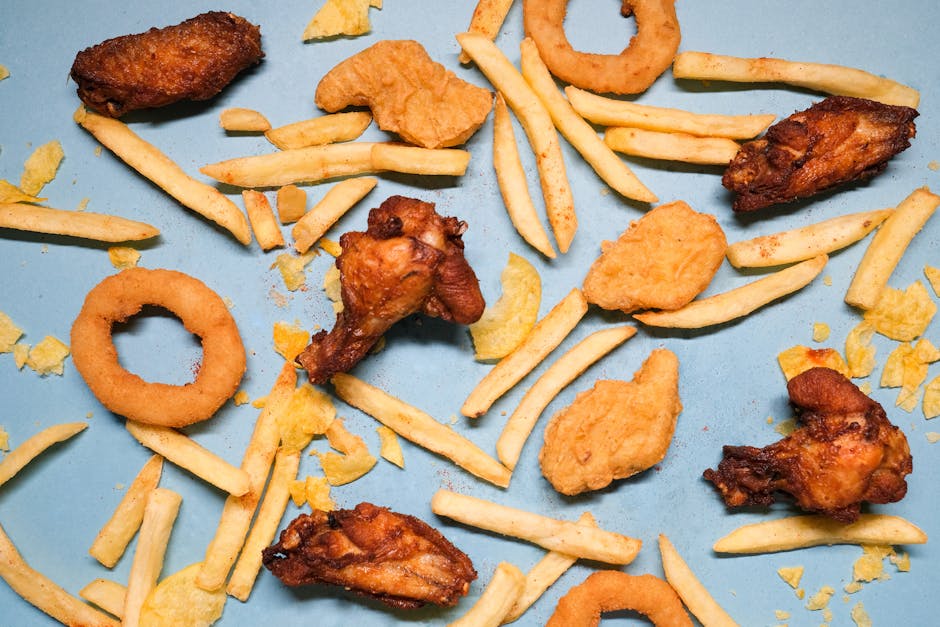
That delicious greasy burger or crispy fried chicken might taste heavenly going down, but an hour later, your stomach could be staging a full-blown protest. Foods high in fat are notoriously difficult for your digestive system to break down, especially when it’s already compromised. They can slow down gastric emptying, leading to feelings of fullness, bloating, and nausea. The extra oil can also trigger diarrhea.
**What to Eat Instead:** Opt for baked, grilled, or steamed lean proteins like chicken breast or white fish. These provide essential nutrients without burdening your digestive system.
3. High-Fiber Raw Vegetables (and Some Fruits)
While fiber is usually our digestive system’s best friend, promoting regularity and gut health, raw, fibrous vegetables and some fruits can be too much of a good thing when your stomach is upset. Foods like broccoli, cabbage, kale, and even apples with their skin on can be hard to digest, leading to excess gas and bloating. Their complex fibers require more work from your gut, which is exactly what you want to avoid when it’s trying to recover.
**What to Eat Instead:** Choose cooked, soft vegetables like boiled carrots, well-cooked green beans, or peeled and cooked potatoes. For fruits, go for ripe bananas or unsweetened applesauce. The cooking process breaks down some of the tough fibers, making them easier to digest.
4. Dairy Products
Milk, cheese, ice cream – these can be comforting treats, but for many people, especially when their stomach is upset, dairy can be problematic. A significant portion of the adult population has some degree of lactose intolerance, meaning they struggle to digest lactose, the sugar found in dairy. When your gut is inflamed, this intolerance can become even more pronounced, leading to gas, bloating, cramps, and diarrhea.
**What to Eat Instead:** If you suspect dairy is an issue, switch to lactose-free alternatives or simply avoid dairy until your stomach settles. Clear broths or water are excellent, gentle choices.
5. Caffeinated Drinks and Alcohol
It’s tempting to reach for that coffee to “power through” when you’re feeling sluggish due to an upset stomach, but you might just be fueling the fire. Caffeine can act as a diuretic, potentially leading to dehydration, and it can also stimulate stomach acid production, irritating an already sensitive gut. Alcohol is even worse; it’s a direct irritant to the stomach lining, can cause dehydration, and is metabolized by the liver, putting extra strain on your system.
**What to Eat Instead:** Water, water, and more water! Staying hydrated is crucial. Gentle herbal teas like peppermint or chamomile can also be soothing.
6. Citrus Fruits and Acidic Foods
Oranges, grapefruits, lemons, and tomatoes are packed with vitamins, but their high acidity can be a nightmare for an upset stomach. The acid can irritate the esophageal lining and stomach, potentially worsening heartburn, acid reflux, and general discomfort.
**What to Eat Instead:** Stick to less acidic fruits like bananas, melons (watermelon, cantaloupe), or papaya. These are gentler on the stomach and provide natural sugars for energy.
7. Processed and Sugary Foods
Think sugary cereals, pastries, candies, and highly processed snacks. These foods often contain refined sugars, artificial ingredients, and unhealthy fats, all of which can wreak havoc on a sensitive digestive system. The sudden influx of sugar can feed bad gut bacteria, leading to gas and bloating, while artificial additives can be difficult for your body to process.
**What to Eat Instead:** Opt for simple, whole foods. Plain crackers, unsweetened applesauce, or a small portion of plain white rice are much better choices.
8. Artificial Sweeteners and Sugar Alcohols
Found in many “diet” or “sugar-free” products (like diet sodas, sugar-free gum, and some protein bars), artificial sweeteners (e.g., aspartame, sucralose) and sugar alcohols (e.g., sorbitol, xylitol, erythritol) can have a laxative effect, especially in larger quantities. When your stomach is already upset, these can exacerbate diarrhea, gas, and bloating. Your gut simply isn’t equipped to handle them efficiently when it’s under stress.
**What to Eat Instead:** If you need a touch of sweetness, a tiny bit of honey (if tolerated) or maple syrup in a soothing tea might be okay, but generally, it’s best to avoid intense sweeteners and stick to plain foods. Water is always the best choice for hydration.
The “Yes-Please” List: What to Eat Instead
Now that we’ve covered the “don’ts,” let’s talk about the “dos.” When your stomach is feeling delicate, the goal is to provide easily digestible, soothing nourishment.
* **The BRAT Diet:** This classic stands for Bananas, Rice, Applesauce, and Toast. These foods are bland, low in fiber, and easy on the digestive system, helping to bind stools and provide gentle energy.
* **Ginger:** Known for its anti-nausea properties, ginger can be incredibly soothing. Try ginger tea (made from fresh ginger root) or ginger ale (flat, with real ginger, not artificial flavors).
* **Clear Broths:** Chicken or vegetable broth provides essential fluids, electrolytes, and some nutrients without any solid food to upset your stomach.
* **Herbal Teas:** Peppermint tea can help relax stomach muscles and reduce spasms, while chamomile tea has anti-inflammatory properties and can promote relaxation.
* **Plain Boiled Potatoes:** Similar to rice, plain boiled or mashed potatoes (without butter or heavy cream) are a good source of energy and easy to digest.
* **Lean Protein:** Once your stomach starts to settle, small amounts of baked or steamed chicken breast or white fish can provide much-needed protein without much fat.
Key Takeaways for a Happy Tummy
Dealing with an upset stomach is never fun, but making smart food choices can significantly speed up your recovery.
* **Listen to Your Body:** Pay attention to what feels good and what doesn’t. Everyone is different.
* **Bland is Best:** When in doubt, opt for plain, unseasoned, low-fat, and low-fiber foods.
* **Hydrate, Hydrate, Hydrate:** Water and clear broths are your best friends to prevent dehydration.
* **Gradual Reintroduction:** As you start to feel better, slowly reintroduce other foods, one at a time, to see how your stomach reacts.
* **Small, Frequent Meals:** Instead of three large meals, try eating smaller portions more frequently to avoid overwhelming your digestive system.
FAQ: Your Upset Stomach Questions Answered
### Q: How long should I stick to a bland diet?
**A:** Generally, you should stick to a bland diet for 24-48 hours after your symptoms improve. Once you feel better, gradually reintroduce your normal diet, starting with easily digestible foods and monitoring your body’s reaction.
### Q: Is it okay to fast when my stomach is upset?
**A:** While some people find that a short period of fasting (a few hours) can help settle their stomach, prolonged fasting can lead to dehydration and lack of essential nutrients. It’s usually better to consume small amounts of bland liquids and foods to keep your energy up and prevent dehydration.
### Q: When should I see a doctor for an upset stomach?
**A:** You should consult a doctor if your symptoms are severe, last for more than a few days, or if you experience additional symptoms like high fever, severe abdominal pain, bloody stools, persistent vomiting, or signs of dehydration (e.g., dizziness, reduced urination).
### Q: Are probiotics helpful for an upset stomach?
**A:** Probiotics, which are beneficial bacteria, can sometimes help restore balance to your gut flora, especially after an upset stomach caused by antibiotics or certain infections. However, it’s best to introduce them gently and perhaps consult with a healthcare professional to see if they’re right for your specific situation.
Dealing with an upset stomach is a common human experience, and knowing **8 foods to avoid with an upset stomach and what to eat instead** can empower you to take control of your recovery. By making thoughtful food choices, you’re not just alleviating discomfort; you’re actively supporting your body’s healing process. So, next time your tummy starts to rumble, remember these tips and give your gut the gentle care it deserves. Here’s to feeling better, sooner!
Written with love and assistance and refined for quality.
{“@context”:”https://schema.org”,”@type”:”Article”,”headline”:”Tummy Trouble? Here are the 8 Foods To Avoid With an Upset Stomach and What To Eat Instead for Quick Relief!”,”description”:”In this article, weu2019ll explore: 8 Foods To Avoid With an Upset Stomachand What To Eat Instead and why it…”,”author”:{“@type”:”Person”,”name”:”Dr. Cuterus”},”datePublished”:”2026-05-19T12:53:11+00:00″,”dateModified”:”2026-05-19T12:53:11+00:00″,”mainEntityOfPage”:”https://healthyworldz.com/tummy-trouble-here-are-the-8-foods-to-avoid-with-an-upset-stomach-and-what-to-eat-instead-for-quick-relief-2/”,”image”:[“https://healthyworldz.com/wp-content/uploads/2026/05/8-foods-to-avoid-with-an-upset-stomachand-what-to-eat-instead-91.jpg”]}
🔗 Related: Hormonal mechanisms of womens risk in…
🔗 Related: 8 Foods To Avoid With an…
🔗 Related: Hormonal mechanisms of womens risk in…