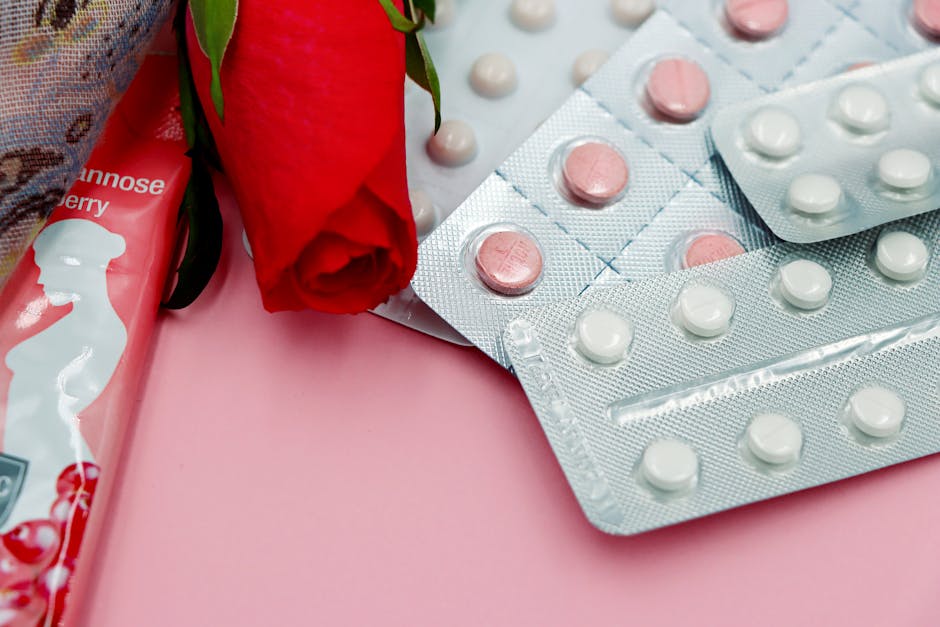
In this article, we’ll explore: Hormonal mechanisms of womens risk in the face of traumatic stress and why it matters today.
Related:
👉 Unpacking the Invisible Links: How Hormones Shape Women's Response to Traumatic Stress
👉 Unpacking the Unseen: How Hormones Shape Women's Risk in the Face of Traumatic Stress
👉 The Hidden Story of PCOS and Fertility: Understanding Impaired Endometrial Receptivity, ER, and Histone Lactylation
Learn more: Hormonal mechanisms of womens risk in the face of traumatic stress on Wikipedia
Life has a way of throwing curveballs, doesn’t it? Sometimes, these curveballs aren’t just difficult; they’re truly traumatic. A car accident, a natural disaster, a sudden loss, or an experience of violence – these events can shake us to our core, leaving lasting imprints not just on our minds, but deep within our biology. While trauma affects everyone, you might have noticed or heard that women often seem to respond differently, sometimes struggling with conditions like PTSD or severe anxiety at higher rates than men. It’s not just about societal factors or how we’re raised; there’s a fascinating, complex, and often overlooked story playing out within our very bodies: the story of hormones.
For too long, the conversation around trauma has been somewhat one-size-fits-all. But what if we told you that the unique ebb and flow of a woman’s hormonal landscape plays a profound role in how she experiences, processes, and recovers from traumatic stress? It’s a critical piece of the puzzle, and understanding these *hormonal mechanisms of women’s risk in the face of traumatic stress* isn’t just academic; it’s empowering. It can help us forge better paths to healing, more tailored support, and a deeper appreciation for the incredible complexity of the female body and mind.
Let’s pull back the curtain and explore this intricate dance, moving beyond the surface to understand the profound biological factors at play.
When Life Shakes Us: The Landscape of Trauma
Traumatic stress isn’t just “being stressed out.” It’s a deeply disturbing and distressing response to an event that threatens our life, safety, or well-being, or that of someone close to us. The brain, in its attempt to protect us, goes into overdrive, activating our “fight, flight, or freeze” response. While this is a brilliant survival mechanism in the moment, sometimes, the alarm bells keep ringing long after the danger has passed. This prolonged state can manifest as Post-Traumatic Stress Disorder (PTSD), characterized by intrusive thoughts, flashbacks, avoidance behaviors, negative changes in mood and thinking, and heightened arousal.
Here’s where the plot thickens: studies consistently show that women are twice as likely as men to develop PTSD after experiencing trauma. They also tend to experience more severe symptoms, a longer duration of illness, and a greater likelihood of co-occurring conditions like depression and anxiety. This isn’t just a coincidence. It points to a fundamental difference in how men and women’s bodies respond to extreme stress, and a significant part of that difference lies in our hormones.
The Orchestra Inside: How Hormones Conduct Our Response
Imagine your body as a finely tuned orchestra, with various hormones acting as different sections, each playing their part. When trauma strikes, this orchestra is thrown into disarray. For women, the presence and fluctuation of key sex hormones – primarily estrogen and progesterone – can dramatically alter the tune.
Estrogen: The Double-Edged Sword
Estrogen, often celebrated for its role in reproduction and female characteristics, is a powerful hormone with wide-ranging effects on the brain. It influences mood, memory, and even fear processing.
* **The Amygdala Connection:** The amygdala is the brain’s “fear center.” Estrogen can enhance its activity, making us more sensitive to threats and potentially intensifying fear responses. Think of it like turning up the volume on the fear alarm. After a traumatic event, this heightened sensitivity could contribute to more intense or prolonged fear memories and hypervigilance.
* **Memory Consolidation:** Estrogen also plays a role in how our brains form and consolidate memories. While this is generally a good thing, in the context of trauma, it might mean that traumatic memories are more vividly etched into our minds, making them harder to shake off.
* **The Stress Response Amplifier:** Some research suggests estrogen can amplify the body’s stress response, making the system more reactive to stressors. This means that a traumatic event might hit harder and leave a deeper biological scar when estrogen levels are high.
Consider Sarah, who experienced a terrifying car accident. In the months following, she found herself constantly on edge, her heart pounding at the slightest loud noise. Her flashbacks were incredibly vivid, almost like reliving the moment. While many factors were at play, her doctor explained that her hormonal profile, particularly fluctuating estrogen levels, could be making her amygdala more reactive, contributing to the intensity of her fear and the vividness of her traumatic memories.
Progesterone: The Calming Influence (and Its Withdrawal)
Progesterone is often seen as estrogen’s calmer counterpart. It’s involved in regulating the menstrual cycle and maintaining pregnancy, but it also has significant neuroprotective and anxiolytic (anxiety-reducing) effects on the brain.
* **Allopregnanolone Production:** Progesterone is a precursor to a powerful neurosteroid called allopregnanolone. This substance acts like a natural Valium, enhancing the activity of GABA, the brain’s primary calming neurotransmitter. It helps to quiet the nervous system, reduce anxiety, and promote feelings of relaxation.
* **The Withdrawal Effect:** Here’s the catch: when progesterone levels drop sharply, such as during the premenstrual phase or after childbirth, the protective effects of allopregnanolone diminish. This “withdrawal” can leave women more vulnerable to stress, anxiety, and even panic attacks. If a traumatic event occurs during a period of low progesterone, or if the trauma itself disrupts the normal hormonal balance, the natural calming system might be less effective, leading to a more severe or prolonged stress response.
Imagine Maria, who went through a traumatic birth experience. In the weeks and months postpartum, she struggled with severe anxiety and intrusive thoughts, even though she usually felt quite resilient. Her body was undergoing a massive hormonal shift, with progesterone levels plummeting after delivery. This sudden drop, combined with the trauma, left her feeling utterly exposed and overwhelmed, highlighting how the withdrawal of progesterone’s calming influence can exacerbate trauma symptoms.
Cortisol: The Stress Maestro Gone Awry
Cortisol is the body’s primary stress hormone, released by the adrenal glands as part of the hypothalamic-pituitary-adrenal (HPA) axis. It’s essential for survival, helping us mobilize energy and sharpen focus in times of danger. However, in women with PTSD, the HPA axis often doesn’t function as it should.
* **Dysregulated Response:** While one might expect higher cortisol levels in trauma survivors, women with PTSD often show a blunted cortisol response to stress – meaning their bodies don’t release enough cortisol when faced with a stressor. This might sound counterintuitive, but it can actually prevent the body from properly “turning off” the stress response, leading to a prolonged state of hyperarousal.
* **Feedback Loop Issues:** The HPA axis has a complex feedback loop. In some women post-trauma, this loop can become dysregulated, leading to either chronically elevated or abnormally low cortisol levels, both of which can contribute to ongoing mental health challenges.
The Menstrual Cycle: A Monthly Rollercoaster of Vulnerability
One of the most compelling aspects of *hormonal mechanisms of women’s risk in the face of traumatic stress* is how the menstrual cycle itself can influence vulnerability. As estrogen and progesterone levels rise and fall throughout the month, so too can a woman’s sensitivity to stress and her capacity for resilience.
* **Follicular Phase (High Estrogen):** During this phase, estrogen levels are rising. As we discussed, higher estrogen can potentially heighten amygdala activity and fear responses. This might mean that a traumatic event experienced during this phase could lead to more intense initial reactions and potentially a higher risk of developing lasting symptoms.
* **Luteal Phase (High Progesterone, then Drop):** Initially, high progesterone in the mid-luteal phase might offer some protective effects. However, as progesterone (and estrogen) drop sharply just before menstruation, the calming allopregnanolone also decreases. This premenstrual window can be a time of increased anxiety, irritability, and heightened stress reactivity, making women potentially more vulnerable to the impact of trauma or an exacerbation of existing trauma symptoms.
Imagine a woman who was assaulted. She later realized that the assault occurred during her premenstrual phase, a time when she often felt more anxious and emotionally fragile anyway. Her therapist helped her understand how the natural hormonal dips at that time might have made her brain and body less equipped to cope with the immense stress, contributing to her severe and persistent PTSD symptoms.
Beyond the Cycle: Pregnancy, Postpartum, and Menopause
The hormonal story doesn’t end with the monthly cycle. Major life stages like pregnancy, the postpartum period, and menopause also bring dramatic hormonal shifts that can profoundly impact a woman’s risk and response to trauma.
* **Pregnancy and Postpartum:** While pregnancy brings high levels of progesterone (and thus allopregnanolone), the sudden and massive drop in these hormones after childbirth can leave new mothers incredibly vulnerable. This is why postpartum anxiety and depression are so common, and why traumatic birth experiences can lead to particularly severe and persistent PTSD.
* **Menopause:** As women transition through menopause, estrogen levels decline significantly and fluctuate wildly. This can lead to increased anxiety, sleep disturbances, and mood swings, potentially making older women more susceptible to the effects of trauma or reactivating past trauma symptoms.
Why This Matters: Practical Implications for Healing
Understanding these *hormonal mechanisms of women’s risk in the face of traumatic stress* is far from just an academic exercise. It has profound real-world implications:
* **Tailored Treatments:** This knowledge can lead to more personalized and effective treatments. For example, therapists might consider a woman’s menstrual cycle phase when scheduling intensive therapy sessions, or clinicians might explore hormonal support as part of a comprehensive treatment plan for trauma survivors.
* **Early Intervention:** Recognizing periods of heightened hormonal vulnerability (like the premenstrual phase or postpartum) could allow for targeted preventative strategies or earlier interventions for women at risk.
* **Reduced Stigma:** It validates women’s experiences. It helps us move beyond the idea that trauma responses are purely psychological or character flaws, acknowledging the powerful biological underpinnings. It’s not “all in your head”; it’s in your hormones, your brain, and your body.
* **Empowerment Through Knowledge:** For women themselves, knowing how their hormones interact with trauma can be incredibly empowering. It provides a framework for understanding their own reactions, advocating for their needs, and engaging in self-care strategies that support hormonal balance.
Key Takeaways
- Women are disproportionately affected by PTSD and other trauma-related conditions compared to men.
- Sex hormones, particularly estrogen and progesterone, play a significant role in modulating the brain’s response to stress and trauma.
- High estrogen can increase amygdala activity and potentially intensify fear memories and stress responses.
- Progesterone, through its metabolite allopregnanolone, has calming effects; its sharp withdrawal can increase vulnerability to anxiety and trauma symptoms.
- The menstrual cycle’s fluctuating hormone levels can create periods of heightened vulnerability (e.g., premenstrual phase) or relative resilience.
- Major life stages like pregnancy, postpartum, and menopause involve significant hormonal shifts that impact trauma susceptibility and recovery.
- Understanding these hormonal mechanisms is crucial for developing more effective, personalized, and compassionate trauma care for women.
Frequently Asked Questions
Q1: Can hormonal birth control affect my response to trauma?
A: Potentially, yes. Hormonal birth control alters the natural fluctuations of estrogen and progesterone. While research is ongoing, some studies suggest that certain types of hormonal contraception might influence mood, stress reactivity, and even how the brain processes fear, which could theoretically impact a woman’s response to traumatic stress. It’s an important conversation to have with your doctor if you’re experiencing trauma symptoms.
Q2: If my hormones are making me more vulnerable, does that mean I’m “weak”?
A: Absolutely not! Understanding the *hormonal mechanisms of women’s risk in the face of traumatic stress* highlights the incredible complexity and resilience of the female body. It means your body is responding biologically, not that you lack strength. Knowledge is power, and this insight can help you seek more targeted support and self-care strategies.
Q3: What can I do to support my hormonal balance after trauma?
A: While direct hormonal interventions should always be discussed with a healthcare professional, there are many holistic approaches. These include: prioritizing sleep, managing stress through mindfulness or meditation, regular exercise, a nutrient-dense diet, and maintaining healthy social connections. If you suspect a significant hormonal imbalance, consult an endocrinologist or a doctor specializing in women’s health.
Q4: Are there specific therapies that consider these hormonal differences?
A: While not all trauma therapies explicitly incorporate hormonal considerations, a trauma-informed therapist or healthcare provider will be aware of these biological factors. Some providers may integrate discussions about menstrual cycle tracking, diet, and lifestyle, or work collaboratively with endocrinologists to ensure a holistic approach that addresses both psychological and physiological aspects of healing.
Embracing the Full Picture
The journey through and beyond traumatic stress is deeply personal, but it’s also profoundly biological. By shining a light on the *hormonal mechanisms of women’s risk in the face of traumatic stress*, we’re not just unveiling scientific truths; we’re opening doors to greater understanding, empathy, and ultimately, more effective pathways to healing for women everywhere. If you or someone you know is struggling after trauma, remember that help is available, and understanding your body’s unique hormonal landscape can be a powerful step toward reclaiming your well-being.
Written with love and assistance and refined for quality.
{“@context”:”https://schema.org”,”@type”:”Article”,”headline”:”Unraveling the Hormonal Dance: Why Women Face Unique Risks After Traumatic Stress”,”description”:”In this article, weu2019ll explore: Hormonal mechanisms of womens risk in the face of traumatic stress and why it matters…”,”author”:{“@type”:”Person”,”name”:”Dr. Cuterus”},”datePublished”:”2026-05-18T23:44:05+00:00″,”dateModified”:”2026-05-18T23:44:05+00:00″,”mainEntityOfPage”:”https://healthyworldz.com/unraveling-the-hormonal-dance-why-women-face-unique-risks-after-traumatic-stress-2/”,”image”:[“https://healthyworldz.com/wp-content/uploads/2026/05/hormonal-mechanisms-of-womens-risk-in-the-face-of-traumatic-stress-182.jpg”]}
🔗 Related: 8 Foods To Avoid With an…
🔗 Related: Hormonal mechanisms of womens risk in…
🔗 Related: Hormonal mechanisms of womens risk in…