In this article, we’ll explore: 8 Foods To Avoid With an Upset Stomachand What To Eat Instead and why it matters today.
Related:
👉 Understanding the Invisible Tides: How Hormones Shape Women's Risk After Traumatic Stress
👉 Unlocking the Womb's Secrets: How Polycystic Ovary Syndrome (PCOS) Impacts Fertility and Why ER & Histone Lactylation Matter
👉 Battling the Belly Blues? Here are 8 Foods To Avoid With an Upset Stomach and What To Eat Instead
Learn more: 8 Foods To Avoid With an Upset Stomachand What To Eat Instead on Investopedia
Ah, the dreaded upset stomach. We’ve all been there, haven’t we? That uncomfortable churning, the sudden waves of nausea, the cramping that makes you just want to curl up in a ball and wish the world away. It’s a miserable feeling, and when your digestive system is rebelling, the last thing you want to do is make it worse. What you put into your body during these delicate times can either be your best friend or your worst enemy.
You might be wondering, “What exactly *shouldn’t* I eat when my stomach feels like a washing machine on overdrive?” And more importantly, “What *can* I eat to actually feel better?” Well, you’ve come to the right place. In this comprehensive guide, we’re diving deep into 8 Foods To Avoid With an Upset Stomach and What To Eat Instead, arming you with the knowledge to soothe your gut and get back to feeling like yourself again. Forget the robotic, clinical advice; we’re going to talk like real humans about real tummy troubles.
When your stomach is upset, it’s essentially sending out an SOS signal. It’s telling you that something isn’t right, and it needs a break. Piling on foods that are difficult to digest or that irritate the delicate lining of your gut is like pouring gasoline on a fire. But don’t worry, relief is within reach, and it often starts with mindful eating.
The Culprits: 8 Foods to Steer Clear Of When Your Stomach is Upset
Let’s face it, when you’re feeling queasy, the thought of certain foods can make your stomach do flip-flops all on its own. But some foods, even if they don’t immediately trigger a gag reflex, can silently sabotage your recovery. Here are the top offenders:
1. Spicy Foods
Oh, the allure of a fiery curry or a chili-laden taco! But when your stomach is already feeling tender, spicy foods are like a direct assault. Capsaicin, the compound that gives chili peppers their heat, can irritate the lining of your esophagus and stomach, leading to heartburn, indigestion, and even intensifying nausea. It can also stimulate stomach acid production, which is the last thing you need when your gut is already inflamed. Remember that time you thought a little extra chili would be fine, only to regret it five minutes later? Yeah, let’s avoid a repeat performance when your tummy is already grumbling.
2. Fried and Greasy Foods
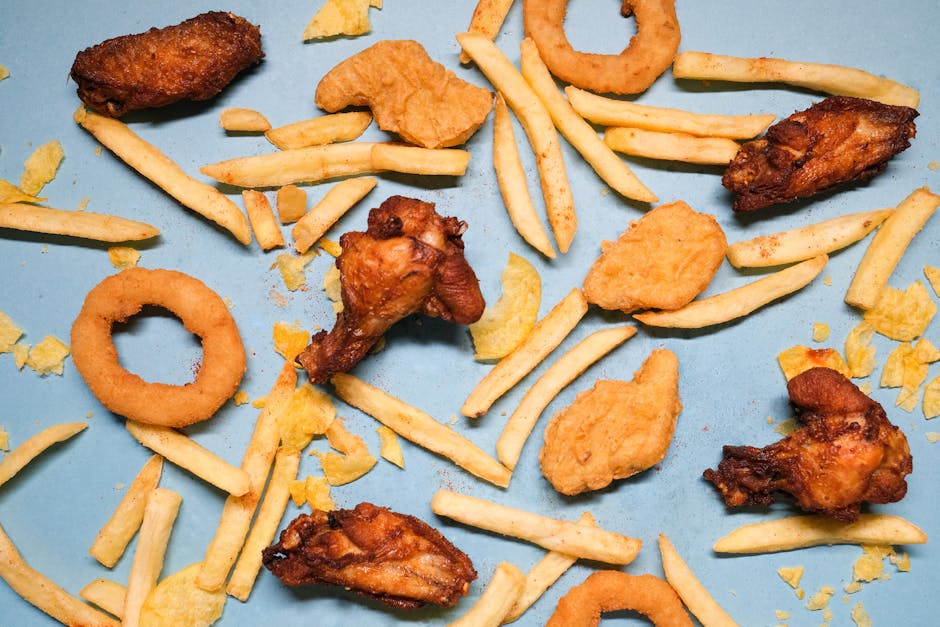
Think about your favorite greasy burger or a plate of crispy fries. Delicious, right? But these foods are packed with fat, which takes a long time for your digestive system to break down. When your stomach is upset, it’s already working overtime, and asking it to process a heavy load of fat is like making a tired runner sprint a marathon. This can lead to bloating, gas, indigestion, and can even worsen diarrhea. Plus, the sheer volume of oil can be irritating to the stomach lining itself.
3. Dairy Products (Especially Lactose Intolerant)
Milk, cheese, ice cream – for many, these are comfort foods. However, dairy contains lactose, a sugar that many people (even those not officially diagnosed with lactose intolerance) struggle to digest, especially when their gut is compromised. An upset stomach often means your body isn’t producing enough lactase, the enzyme needed to break down lactose. This can lead to gas, bloating, cramps, and diarrhea. If you’re feeling unwell, it’s best to temporarily sideline dairy and opt for lactose-free alternatives if you must.
4. Acidic Foods and Drinks
Citrus fruits like oranges, lemons, and grapefruits, along with tomatoes and tomato-based products (think pasta sauce or ketchup), are highly acidic. While generally healthy, their high acid content can irritate an already sensitive stomach lining, exacerbating heartburn, indigestion, and nausea. The same goes for acidic drinks like orange juice, lemonade, and even coffee. Think of your stomach lining as a raw wound; you wouldn’t pour acid on it, would you?
5. Carbonated Drinks
That fizzy sensation might feel refreshing, but carbonated drinks (soda, sparkling water, even some energy drinks) introduce gas into your digestive system. This extra gas can lead to uncomfortable bloating, burping, and can put pressure on an already tender stomach, potentially intensifying cramps or nausea. Stick to still water or herbal teas for hydration.
6. Raw Vegetables and High-Fiber Foods
Wait, aren’t vegetables good for you? Absolutely! But when your stomach is upset, raw vegetables, especially cruciferous ones like broccoli, cabbage, and cauliflower, can be tough to digest. Their high fiber content, while usually beneficial, requires a lot of work from your digestive system and can lead to excessive gas and bloating when your gut is already struggling. Think of it this way: your gut needs a vacation, not a heavy-duty workout.
7. Alcohol
This might seem obvious, but it bears repeating. Alcohol is a direct irritant to the stomach lining. It can increase stomach acid production, leading to inflammation, heartburn, and nausea. It also acts as a diuretic, contributing to dehydration, which is the last thing you want when you’re feeling unwell. When your stomach is upset, alcohol is a definite no-go.
8. Highly Processed and Sugary Foods
Those sugary cereals, pastries, and candy bars might offer a momentary comfort, but they do more harm than good. Highly processed foods often contain artificial ingredients, unhealthy fats, and refined sugars, all of which can be difficult for a sensitive stomach to process. The rapid spike and crash in blood sugar from sugary foods can also exacerbate nausea and fatigue. These foods are essentially empty calories that don’t offer any nutritional support for recovery.
Your Gut’s Best Friends: What To Eat Instead
Now that we know what to avoid, let’s talk about the good stuff – the foods that can actually help soothe your stomach and aid in recovery. The key here is bland, easy-to-digest, and nourishing.
-
The BRAT Diet Staples: Bananas, Rice, Applesauce, Toast.
This classic combination is a go-to for a reason. Bananas are easy to digest, rich in potassium (which you might lose if you’re experiencing diarrhea or vomiting), and can help firm up stools. Plain white rice is low in fiber and easy on the gut. Unsweetened applesauce provides gentle energy and pectin, a soluble fiber that can help with digestion. Plain, dry toast (white bread is best for this purpose) is simple and won’t irritate your stomach.
-
Ginger:
This ancient root is a superstar for nausea relief. Sip on ginger tea (made from fresh ginger root, not powdered) or nibble on a small piece of candied ginger (without too much sugar). Ginger has natural anti-inflammatory properties that can calm your stomach.
-
Clear Broths:
Chicken or vegetable broth (low-sodium is best) can provide essential fluids and electrolytes without irritating your stomach. It’s warm, comforting, and gives your body some much-needed nutrients when solid food feels impossible.
-
Plain Crackers:
Saltine crackers or plain water crackers can help absorb excess stomach acid and settle nausea. Keep them unsalted or lightly salted.
-
Boiled Potatoes:
Plain, boiled potatoes without skin are a good source of energy and easy to digest. Avoid adding butter, cheese, or sour cream.
-
Oatmeal:
Cooked oatmeal (plain, without added sugar or heavy toppings) is a soluble fiber powerhouse. It’s gentle on the stomach and can help regulate bowel movements.
-
Herbal Teas:
Peppermint, chamomile, and fennel teas are renowned for their stomach-soothing properties. Peppermint can help relax digestive muscles, while chamomile is known for its anti-inflammatory effects. Fennel can help reduce gas and bloating.
-
Hydration is Key:
Sip on water, electrolyte drinks (like Pedialyte), or diluted fruit juice (like apple juice) frequently throughout the day. Dehydration can worsen an upset stomach and prolong recovery.
Key Takeaways for a Happy Tummy
When your stomach is feeling off, remember that what you eat (and don’t eat) plays a crucial role in your recovery. The goal is to give your digestive system a break, soothe any irritation, and provide gentle nourishment. Listen to your body, introduce foods slowly, and prioritize hydration. Avoiding those 8 Foods To Avoid With an Upset Stomach and What To Eat Instead can make a world of difference.
FAQ: Your Upset Stomach Questions Answered
Q1: Should I fast completely when I have an upset stomach?
A: While a short period of resting your stomach (a few hours, maybe) can be helpful, prolonged fasting isn’t usually recommended. Your body still needs nutrients and fluids to heal. The key is to introduce bland, easy-to-digest foods slowly and in small amounts. If you’re struggling to keep anything down for more than 24 hours, it’s time to see a doctor.
Q2: How do I know when it’s safe to reintroduce “normal” foods?
A: Start slowly! Once your symptoms have significantly improved and you’ve been tolerating bland foods for at least 24-48 hours without issue, you can gradually reintroduce other foods. Begin with low-fat, low-fiber options and avoid the “foods to avoid” for a bit longer. Pay attention to how your body reacts; if a food causes discomfort, hold off on it for a few more days.
Q3: What if I’m normally healthy but still get an upset stomach often?
A: If you frequently experience an upset stomach, even when following a healthy diet, it’s a good idea to consult a doctor or a gastroenterologist. There could be an underlying condition like IBS, food sensitivities, or other digestive issues that need professional diagnosis and management. Don’t suffer in silence!
Taking care of your gut is taking care of your overall well-being. By being mindful of your food choices, especially when your stomach is feeling tender, you’re empowering your body to heal and helping yourself get back to feeling fantastic, one gentle bite at a time.
Written with love and assistance and refined for quality.
{“@context”:”https://schema.org”,”@type”:”Article”,”headline”:”When Your Tummy Grumbles: 8 Foods To Avoid With an Upset Stomach and What To Eat Instead”,”description”:”In this article, weu2019ll explore: 8 Foods To Avoid With an Upset Stomachand What To Eat Instead and why it…”,”author”:{“@type”:”Person”,”name”:”Dr. Cuterus”},”datePublished”:”2026-05-18T10:36:28+00:00″,”dateModified”:”2026-05-18T10:36:28+00:00″,”mainEntityOfPage”:”https://healthyworldz.com/when-your-tummy-grumbles-8-foods-to-avoid-with-an-upset-stomach-and-what-to-eat-instead/”,”image”:[“https://healthyworldz.com/wp-content/uploads/2026/05/8-foods-to-avoid-with-an-upset-stomachand-what-to-eat-instead-80.jpg”]}
🔗 Related: Women with polycystic ovary syndrome exhibit…
🔗 Related: Hormonal mechanisms of womens risk in…
🔗 Related: 8 Foods To Avoid With an…