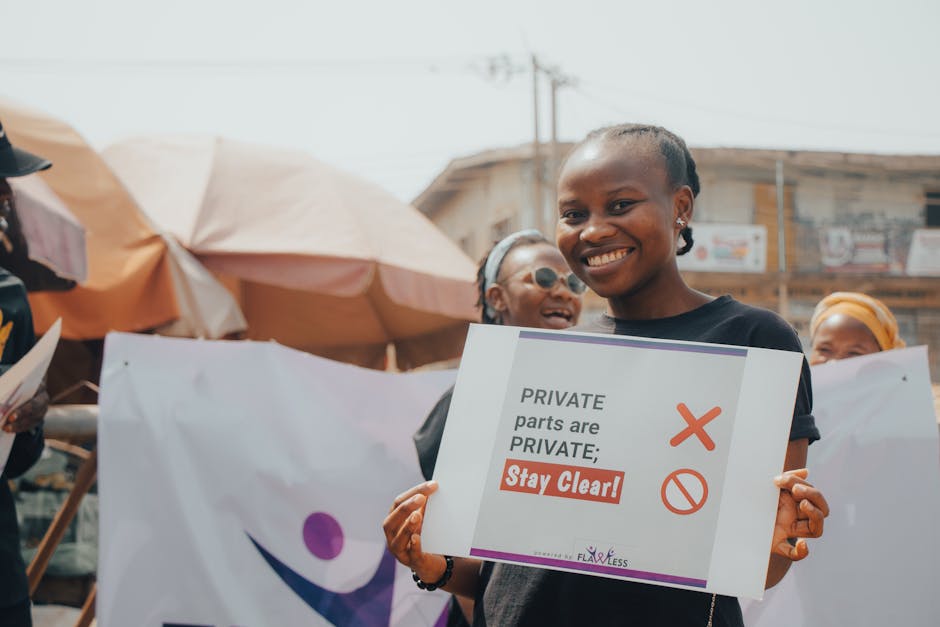
In this article, we’ll explore: BcozSheMatters: WHO Health Ministry roll out campaign on women and girls health and well-being and why it matters today.
Related:
👉 8 Foods To Avoid With an Upset Stomach and What To Eat Instead
👉 Why Trauma Hits Differently: Understanding the Hormonal Mechanisms of Women’s Risk
👉 Why the BcozSheMatters Campaign is the Health Revolution Women and Girls Have Been Waiting For
Learn more: BcozSheMatters: WHO Health Ministry roll out campaign on women and girls health and well-being on Wikipedia
Think about the women in your life for a moment. Your mother, who somehow remembers everyone’s birthday and doctor’s appointment while juggling a million other things. Your sister, who’s chasing her career dreams while trying to stay fit. Your daughter, who is just beginning to navigate the complexities of growing up. Now, ask yourself: when was the last time these women put their own health at the very top of their priority list?
For too long, women’s health has been treated as a secondary thought or narrowed down strictly to maternal care. But a massive shift is happening. The global health community is finally saying “enough.” With the launch of BcozSheMatters: WHO Health Ministry roll out campaign on women and girls health and well-being, we are seeing a transformative movement that looks at a woman’s health not just as a medical checklist, but as the foundation of a thriving society.
In this post, we’re going to dive deep into what this campaign actually means, why it’s a breath of fresh air, and how it aims to bridge the gap between “surviving” and “thriving” for girls and women everywhere.
What is the #BcozSheMatters Campaign All About?
At its heart, the BcozSheMatters: WHO Health Ministry roll out campaign on women and girls health and well-being is a collaborative effort designed to bring health services directly to the people who need them most. It isn’t just a series of posters in a hospital hallway; it’s a comprehensive strategy to address the unique biological, social, and economic challenges that women face throughout their lives.
The World Health Organization (WHO), in partnership with national Health Ministries, recognized that despite medical advancements, women still face significant barriers to quality care. Whether it’s the stigma surrounding menstrual health, the lack of screening for non-communicable diseases like breast cancer, or the silent struggle with mental health, the #BcozSheMatters campaign is designed to break these walls down.
The campaign focuses on a “life-course approach.” This means it doesn’t just care about a woman when she is pregnant. It cares about the adolescent girl needing nutrition, the young professional dealing with stress, and the elderly woman requiring geriatric care. It’s about the whole person, for her whole life.
The “Why” Behind the Movement: Real Challenges Women Face
To understand why this campaign is so vital, we have to look at the reality on the ground. Let’s take the story of Sarah, a 34-year-old mother of two living in a bustling city. Sarah works 40 hours a week and spends the rest of her time managing her household. For months, she felt a persistent fatigue. She chalked it up to “just being a busy mom.”
It wasn’t until a community outreach program—part of the BcozSheMatters: WHO Health Ministry roll out campaign on women and girls health and well-being—set up a booth at her local park that she got a simple blood test. The result? Severe anemia. Sarah isn’t alone. Millions of women ignore symptoms because they are conditioned to put others first.
Here are some of the critical areas the campaign is addressing:
- Nutritional Deficiencies: Anemia and malnutrition remain staggering problems for girls, affecting their cognitive development and long-term energy levels.
- Reproductive and Sexual Health: Moving beyond just childbirth to include safe menstruation, contraception, and protection against infections.
- Mental Health Awareness: Breaking the silence on postpartum depression, anxiety, and the societal pressures that weigh heavily on women.
- Non-Communicable Diseases (NCDs): Increasing early screening for hypertension, diabetes, and cancers which are often detected too late in women.
Breaking the Taboos: It’s More Than Just Medicine
One of the most refreshing aspects of the #BcozSheMatters initiative is its focus on the “taboo” subjects. In many cultures, discussing menstrual hygiene or menopause is still considered “hush-hush.” This silence leads to misinformation and poor health outcomes.
The Health Ministry, under this campaign, is deploying community health workers to conduct “Circle Talks.” These are safe spaces where girls can ask questions about their bodies without shame. By normalizing these conversations, the campaign is empowering the next generation to be proactive rather than reactive about their health.
The Role of Digital Health
In today’s world, your phone is often your first point of contact for information. The campaign leverages this by introducing user-friendly apps and SMS services that provide health tips, appointment reminders, and even tele-consultations. This is a game-changer for women in rural areas who might have to travel miles to reach the nearest clinic.
The Pillars of the #BcozSheMatters Initiative
To ensure this isn’t just a fleeting trend, the WHO and the Health Ministry have built the campaign on four sturdy pillars:
1. Accessibility and Equity
It doesn’t matter how good a medicine is if a woman can’t afford it or get to it. The campaign works on lowering the cost of essential screenings and ensuring that even the most remote villages have access to basic female-centric healthcare services.
2. Education and Literacy
Knowledge is power. By educating women about their rights and their bodies, the campaign ensures they can make informed decisions. This includes everything from understanding the importance of the HPV vaccine to knowing the signs of a stroke.
3. Strengthening Infrastructure
The campaign isn’t just about “talk”; it’s about “tools.” This involves upgrading local clinics, ensuring there are enough female doctors and nurses available, and stocking essential medicines that specifically target women’s health issues.
4. Policy Advocacy
The WHO is working closely with governments to ensure that women’s health is a permanent fixture in national budgets. It’s about making sure that “She Matters” is written into the law, not just on a campaign poster.
Real-World Impact: Stories from the Field
In a small village in the outskirts of the country, a young girl named Meena was about to drop out of school because she didn’t have access to proper sanitary products or private facilities. Through the BcozSheMatters: WHO Health Ministry roll out campaign on women and girls health and well-being, her school received a “Health Kit” upgrade.
Meena didn’t just get pads; she got an education on how her body works. She stayed in school. That’s the ripple effect. When a girl stays healthy and educated, she eventually contributes to the economy, raises a healthier family, and breaks the cycle of poverty. The campaign recognizes that a healthy woman is the ultimate “multiplier” for community success.
How You Can Get Involved
You might think, “This is a government thing, what can I do?” The truth is, the success of #BcozSheMatters depends on all of us. Here is how you can play a part:
- Spread the Word: Use your social media platforms to share verified health information. Use the hashtag #BcozSheMatters to keep the conversation going.
- Encourage the Women in Your Life: Sometimes, all it takes is a gentle nudge. Remind your friend, mother, or partner to go for that annual check-up.
- Volunteer: Many local NGOs are partnering with the Health Ministry. Your time could help organize a local health camp or a blood donation drive.
- Listen: Create an environment where the women and girls around you feel safe discussing their health concerns without judgment.
Key Takeaways
- Holistic Approach: The campaign covers everything from puberty to menopause, not just maternal health.
- Global & Local: It’s a partnership between the WHO and national Health Ministries to ensure global standards meet local needs.
- Empowerment through Knowledge: Education is a primary tool to help women take charge of their own well-being.
- Breaking Barriers: It aims to remove the stigma around “taboo” health topics and provide digital health solutions.
- Economic Impact: Investing in women’s health leads to stronger families and more robust national economies.
Frequently Asked Questions (FAQ)
1. What is the main goal of the #BcozSheMatters campaign?
The main goal is to improve the overall health and well-being of women and girls by providing better access to healthcare, reducing nutritional deficiencies, and breaking the stigma surrounding women’s health issues through the BcozSheMatters: WHO Health Ministry roll out campaign on women and girls health and well-being.
2. Is this campaign only for pregnant women?
No. While maternal health is a part of it, the campaign follows a “life-course” approach, meaning it focuses on girls in their adolescence, young adults, middle-aged women, and the elderly.
3. How does the WHO support this initiative?
The WHO provides technical expertise, sets global health standards, and helps coordinate efforts between different countries to ensure the campaign is effective and evidence-based.
4. Can men participate in this campaign?
Absolutely! Men play a crucial role as supportive partners, fathers, and community leaders. Understanding women’s health helps men support the well-being of their families and communities.
5. Where can I find more information about local events?
You can check the official website of your national Health Ministry or follow the WHO’s social media channels for updates on local clinics, camps, and digital resources.
Conclusion: A Healthier Future Starts with Her
The BcozSheMatters: WHO Health Ministry roll out campaign on women and girls health and well-being is more than just a policy shift; it’s a cultural wake-up call. It reminds us that when we invest in the health of a woman, we aren’t just helping an individual—we are stabilizing a family, strengthening a community, and building a more resilient world.
So, the next time you see that hashtag or hear about a local health drive, remember Sarah, Meena, and the millions of others. Their health isn’t just a “women’s issue.” It’s a human issue. Because when she thrives, we all do. And that is exactly why she matters.
Written with love and assistance and refined for quality.
{“@context”:”https://schema.org”,”@type”:”Article”,”headline”:”Why #BcozSheMatters: How the New WHO and Health Ministry Campaign is Changing the Narrative on Womenu2019s Wellness”,”description”:”In this article, weu2019ll explore: BcozSheMatters: WHO Health Ministry roll out campaign on women and girls health and well-being and…”,”author”:{“@type”:”Person”,”name”:”Dr. Cuterus”},”datePublished”:”2026-05-26T07:25:47+00:00″,”dateModified”:”2026-05-26T07:25:47+00:00″,”mainEntityOfPage”:”https://healthyworldz.com/why-bcozshematters-how-the-new-who-and-health-ministry-campaign-is-changing-the-narrative-on-womens-wellness/”,”image”:[“https://healthyworldz.com/wp-content/uploads/2026/05/bcozshematters-who-health-ministry-roll-out-campaign-on-women-and-girls-health-and-well-being-24.jpg”]}
🔗 Related: Muscle Plays a Role in Weight…
🔗 Related: HealthFab Secures Series A Funding to…
🔗 Related: Hormonal mechanisms of womens risk in…