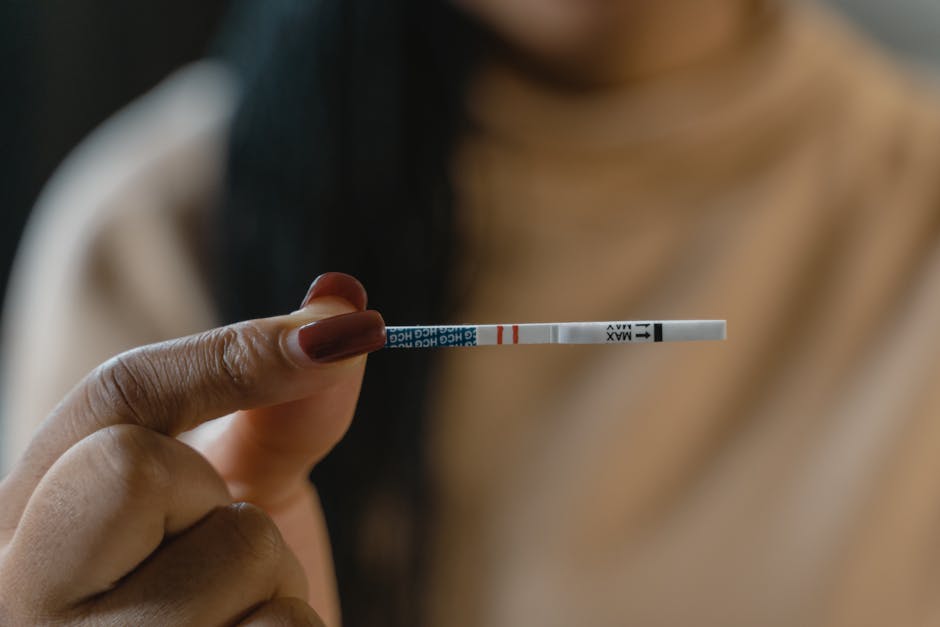
In this article, we’ll explore: Closing the diagnostics gap key to improving women’s health and why it matters today.
Imagine walking into a doctor’s office because you feel like something is fundamentally wrong with your body. You’re exhausted, you’re in pain, and your intuition is screaming that this isn’t “just stress.” But instead of a battery of tests that lead to an answer, you’re told to “get more sleep,” “lose a little weight,” or “try to relax.”
Learn more: Closing the diagnostics gap key to improving women’s health on Google Search
For millions of women around the world, this isn’t a hypothetical scenario—it’s a frustrating, years-long reality. This phenomenon is known as the diagnostic gap. Whether it’s heart disease, endometriosis, or autoimmune conditions, women are consistently diagnosed later than men for the exact same conditions.
The truth is simple: closing the diagnostics gap key to improving women’s health. Without an accurate and timely diagnosis, effective treatment is impossible. If we want to build a healthier society, we have to stop treating women’s health as a mystery and start treating it as a priority.
The Story of the “Invisible” Patient
Let’s look at the story of Sarah. Sarah started experiencing debilitating pelvic pain in her early twenties. She went to three different doctors. One told her she had a low pain tolerance. Another suggested it was just “part of being a woman.” It took nine years—nearly a decade of her life—before a specialist finally diagnosed her with Stage IV endometriosis.
By the time Sarah got her answer, the condition had caused significant scarring and impacted her fertility. Sarah’s story isn’t an outlier; it’s the standard. On average, it takes seven to ten years for a woman to be diagnosed with endometriosis. Why? Because for too long, women’s pain has been normalized or dismissed.
This delay doesn’t just affect quality of life; it changes the entire trajectory of a person’s health. When we talk about closing the diagnostics gap, we are talking about saving years of unnecessary suffering.
Understanding the Diagnostic Gap: Why Does It Exist?
To fix a problem, we first have to understand why it’s happening. The diagnostic gap isn’t just a result of “bad luck.” It is built into the very foundation of modern medicine. Here are a few reasons why the gap remains so wide:
1. The “Male Default” in Medical Research
For decades, most clinical trials and medical studies were conducted primarily on men. The logic was that women’s fluctuating hormones made them “too complicated” to study. Consequently, the medical community established the male body as the “standard” or “default.” This means that everything we know about symptoms, drug dosages, and disease progression is often based on how a disease looks in a man.
2. Different Symptom Presentation
Diseases often manifest differently in women than in men. A classic example is a heart attack. Men typically report the “Hollywood” symptoms: crushing chest pain and numbness in the left arm. Women, however, are more likely to experience nausea, shortness of breath, or extreme fatigue. Because these don’t fit the “standard” (male) definition of a heart attack, women are often sent home from emergency rooms while having a cardiac event.
3. Implicit Bias and Gaslighting
Studies have shown that healthcare providers are more likely to attribute a woman’s physical symptoms to psychological causes. If a man has chest pain, he gets an EKG. If a woman has chest pain, she might be asked if she’s feeling anxious. This unconscious bias leads to a “wait and see” approach that costs lives.
Real-World Examples of the Gap in Action
Closing the diagnostics gap key to improving women’s health because it addresses the specific ways diseases hide in the female body. Let’s look at a few areas where the gap is most prominent:
- Autoimmune Diseases: Roughly 80% of people with autoimmune diseases are women. Yet, it often takes years and multiple doctors to get a diagnosis for conditions like Lupus or Multiple Sclerosis because the symptoms are “vague.”
- ADHD and Autism: For years, these were thought of as “boyhood” conditions. Girls are often better at “masking” their symptoms or present with internal restlessness rather than outward hyperactivity. As a result, many women aren’t diagnosed until their 30s or 40s, after years of struggling with unexplained burnout.
- Chronic Pain: Women report higher levels of chronic pain than men, yet they are treated less aggressively with pain medication and are more likely to be referred to a psychiatrist than a pain specialist.
The Economic and Social Cost of Waiting
The diagnostics gap isn’t just a health issue; it’s an economic one. When a woman spends ten years searching for a diagnosis, she is likely missing work, spending thousands on incorrect treatments, and experiencing a decline in mental health.
When women are healthy, families thrive, and economies grow. By failing to diagnose women quickly, we are losing out on the productivity and contributions of half the population. Closing this gap is an investment in the global economy. When we prioritize closing the diagnostics gap key to improving women’s health, we are essentially saying that a woman’s time and health are just as valuable as a man’s.
How We Can Bridge the Gap
The good news is that we are starting to see a shift. But we need to move faster. Here is how we can begin to close the gap for good:
1. Investing in “FemTech”
The rise of female-focused technology is a game changer. From wearable devices that track hormonal cycles to AI-driven diagnostic tools that recognize female-specific symptoms, technology is helping women gather data about their own bodies. This data allows them to advocate for themselves with hard evidence when they walk into a doctor’s office.
2. Diversifying Clinical Trials
We need legislation and funding that mandates the inclusion of women in all stages of medical research. We need to know how a drug affects a woman’s body specifically, not just “on average.”
3. Medical School Reform
Doctors need to be trained to recognize that “typical” symptoms are often just “typical for men.” Medical education must include specific modules on how diseases present in women and how to identify and check implicit biases.
4. Listening to Women
Perhaps the simplest solution is the most powerful: believe women. When a patient says something is wrong, that should be the start of a diagnostic journey, not the end of a conversation.
The Role of AI in Closing the Gap
Artificial Intelligence has a massive role to play here. AI doesn’t have the same unconscious biases that humans do (provided the data it’s trained on is diverse). AI can analyze thousands of data points from a woman’s medical history to spot patterns that a busy GP might miss. For example, AI tools are currently being developed to detect early signs of breast cancer and ovarian cancer with much higher accuracy than traditional methods. This technology is a vital tool in making sure no woman falls through the cracks.
Key Takeaways
- Timely diagnosis is everything: Early detection changes outcomes and prevents long-term damage.
- Bias is the barrier: Both historical research bias and modern clinical bias keep women from getting the care they need.
- Symptoms aren’t “one size fits all”: Women often experience different symptoms for the same conditions compared to men.
- Empowerment through data: Using technology to track symptoms can help women advocate for their health.
- Societal impact: Closing the gap improves not just individual lives, but the economy and community as a whole.
Conclusion: A Future of Equitable Health
Closing the diagnostics gap is not a “women’s issue”—it’s a human rights issue. It’s about ensuring that the medical system works for everyone, regardless of their biology. We’ve spent centuries learning about the human body through a single lens. It’s time to widen that lens.
By investing in research, embracing new technologies, and fostering a culture of belief and empathy in healthcare, we can ensure that the next generation of women doesn’t have to wait a decade for an answer. Closing the diagnostics gap key to improving women’s health, and it’s a goal that is well within our reach if we have the courage to pursue it.
Frequently Asked Questions
What exactly is the “diagnostics gap”?
The diagnostics gap refers to the disparity in the time and accuracy of medical diagnoses between men and women. Women are often diagnosed significantly later than men for the same conditions, including heart disease, cancer, and autoimmune disorders.
Why are women’s symptoms often dismissed?
This is often due to a combination of implicit bias (unconscious stereotypes) and the “male default” in medical training, where doctors are taught to look for symptoms as they typically appear in men.
How can I advocate for myself at the doctor?
Keep a detailed log of your symptoms, including when they happen and what triggers them. Don’t be afraid to ask for a second opinion or specifically ask, “What else could this be?” or “Why are we ruling out [specific condition]?”
Is the gap closing?
Yes, but slowly. Increased awareness, the rise of FemTech, and new requirements for inclusive medical research are all helping to bridge the gap, but there is still a long way to go.
Does this gap affect all women equally?
No. The gap is often even wider for women of color, who face additional layers of systemic bias and healthcare disparities. Closing the gap requires an intersectional approach that considers race, age, and socioeconomic status.
Written with love and assistance and refined for quality.
{“@context”:”https://schema.org”,”@type”:”Article”,”headline”:”Why Closing the Diagnostics Gap is the Key to Improving Women’s Health”,”description”:”In this article, weu2019ll explore: Closing the diagnostics gap key to improving women’s health and why it matters today. Imagine…”,”author”:{“@type”:”Person”,”name”:”Dr. Cuterus”},”datePublished”:”2026-05-30T01:04:38+00:00″,”dateModified”:”2026-05-30T01:04:38+00:00″,”mainEntityOfPage”:”https://healthyworldz.com/why-closing-the-diagnostics-gap-is-the-key-to-improving-womens-health/”,”image”:[“https://healthyworldz.com/wp-content/uploads/2026/05/closing-the-diagnostics-gap-key-to-improving-womens-health.jpg”]}
🔗 Related: Hormonal mechanisms of womens risk in…
🔗 Related: Closing the diagnostics gap key to…
🔗 Related: Hormonal mechanisms of womens risk in…