In this article, we’ll explore: Creatine for Women: Benefits Beyond Exercise and Muscle Building and why it matters today.
Related:
👉 Why Getting Pregnant with PCOS is So Complex: The New Science of Histone Lactylation and Endometrial Receptivity
👉 Beyond the Quiet Struggle: Understanding Perineal Muscle Strength as a Predictor of Stress Urinary Incontinence Among Young Parous Women in Mangaluru India
👉 The Silent Risk of the Weight Loss Revolution: Why Menopause and GLP-1s Are a "Perfect Storm" for Bone Health
Learn more: Creatine for Women: Benefits Beyond Exercise and Muscle Building on Google Search
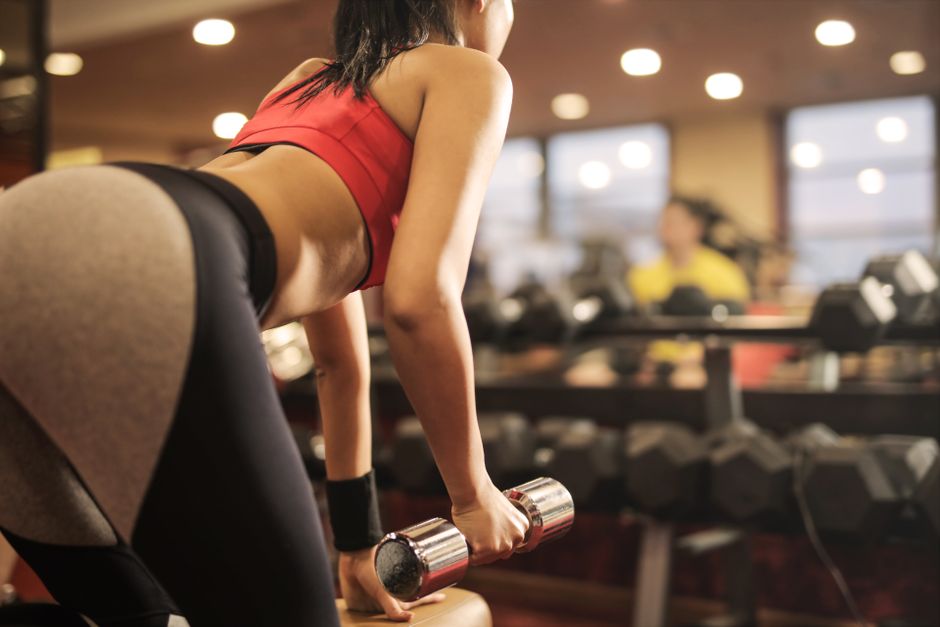
Let’s be honest for a second. When you hear the word “creatine,” what’s the first image that pops into your head? If you’re like most people, you probably picture a massive, veins-popping bodybuilder at the gym, shaking a plastic bottle and grunting through a heavy set of squats. For decades, creatine has been marketed almost exclusively to men who want to get “huge.”
But what if I told you that this single supplement is actually one of the most researched, safest, and most effective tools for women—even if you never plan on lifting a heavy barbell in your life?
In this guide, we’re going to look at Creatine for Women: Benefits Beyond Exercise and Muscle Building. We’re going to talk about why your brain needs it, why your mood depends on it, and how it can help you navigate the hormonal rollercoasters of life. It’s time to take creatine out of the “gym bro” category and put it where it belongs: in every woman’s wellness cabinet.
The Story of Sarah: More Than Just a Workout Supplement
To understand why this matters, let’s look at Sarah. Sarah is a 38-year-old project manager and a mom of two. She eats well, goes for a jog three times a week, and drinks her green smoothies. Yet, by 3 PM every day, she feels like her brain is made of cotton wool. She struggles to remember where she put her keys, and her “to-do” list feels like a mountain she can’t climb.
Sarah always avoided creatine because she didn’t want to “bulk up” or look like a bodybuilder. But after reading about the cognitive benefits, she decided to try a small daily dose. Two weeks later, the 3 PM fog started to lift. She wasn’t suddenly a marathon runner, but she was sharper, more patient with her kids, and had the mental energy to finish her work without four cups of coffee.
Sarah’s experience isn’t a fluke. It’s science. Let’s dive into why.
1. The Ultimate Brain Booster: Clearing the Mental Fog
Most people think creatine lives in our muscles. While 95% of it does, the remaining 5% is tucked away in your brain. Your brain is an energy hog—it uses a massive amount of your body’s total energy just to keep you thinking, focusing, and reacting.
How it works for your head
Creatine helps your cells produce a molecule called ATP (adenosine triphosphate). Think of ATP as the “currency” of energy in your body. When you’re stressed, sleep-deprived, or working on a complex task, your brain burns through ATP fast. Creatine acts like a backup battery, quickly recharging those energy stores.
- Improved Memory: Research shows that creatine supplementation can help with short-term memory and processing speed.
- Combatting Sleep Deprivation: We’ve all had those nights where the baby won’t sleep or work keeps us up late. Creatine has been shown to help the brain function better even when you’re running on low sleep.
- Mental Sharpness: It helps reduce mental fatigue during demanding tasks, like taxes or long driving shifts.
2. Mood Support and Mental Health
This is perhaps the most underrated aspect of Creatine for Women: Benefits Beyond Exercise and Muscle Building. Women, statistically, are more likely to experience depression and anxiety than men. Interestingly, research has found that women often have lower levels of creatine in their brains than men do.
The Serotonin Connection
Studies have suggested that creatine may play a role in how our neurotransmitters work. Specifically, it may help antidepressants work more effectively by improving the energy metabolism in the parts of the brain that regulate mood. For women struggling with “the blues” or low-level persistent anxiety, creatine can provide the underlying cellular energy needed to help keep the mind resilient.
3. Hormonal Harmony: From Periods to Menopause
A woman’s body is not a static environment. Our hormones shift every week of the month, and they change drastically as we age. Creatine can be a steady hand during these fluctuations.
The Menstrual Cycle
During the luteal phase (the week before your period), many women experience a drop in energy and an increase in brain fog. Because creatine levels in the body fluctuate with estrogen levels, supplementing can help bridge that energy gap during your “slow” week.
Perimenopause and Menopause
As estrogen drops during menopause, women begin to lose muscle mass and bone density at an accelerated rate. This is where creatine becomes a literal lifesaver. It helps preserve bone mineral density and keeps the muscles you have strong, which is vital for preventing falls and fractures as you get older. It’s not about looking “buff”; it’s about staying mobile and independent.
4. Bone Health: Building a Strong Foundation
Osteoporosis is a major concern for women. While we often hear about calcium and Vitamin D, we rarely hear about creatine. However, when combined with even light activity (like walking or yoga), creatine has been shown to reduce bone loss. It helps the cells that build bone (osteoblasts) work more effectively, ensuring your frame stays strong well into your 70s and 80s.
5. Heart Health and Beyond
Emerging research suggests that creatine might help lower levels of homocysteine, an amino acid linked to heart disease and stroke. While more research is needed, the potential for creatine to support cardiovascular health adds another layer to its “super-supplement” status for women.
Common Myths: Let’s Set the Record Straight
If creatine is so great, why aren’t all women taking it? Usually, it’s because of two big myths.
Myth #1: “I’ll get bulky.”
Women do not have the testosterone levels required to “accidentally” get huge. Building significant muscle takes years of incredibly heavy lifting and a massive caloric surplus. Creatine will simply make your muscles look more “toned” because it helps them hold onto a little more water, making them look healthy and hydrated, not bulky.
Myth #2: “It causes bloating.”
In the old days, people “loaded” creatine by taking 20 grams a day, which caused stomach upset and water retention. If you take a standard dose of 3–5 grams a day, most women experience zero bloating. Any “weight gain” you see on the scale is usually just water inside the muscle cells—which is actually a good thing for your metabolism!
How to Start Using Creatine
If you’re ready to try it, here’s the simplest way to get started:
- Choose Creatine Monohydrate: This is the most studied and cheapest form. Don’t fall for fancy, expensive versions.
- The Dose: 3 to 5 grams per day. That’s usually one small scoop.
- Timing: It doesn’t matter! Take it in the morning with your coffee, or mix it into your afternoon smoothie. Consistency is more important than timing.
- Hydration: Creatine works by pulling water into your cells, so make sure you’re drinking enough water throughout the day.
Key Takeaways
- Brain Power: Creatine helps clear brain fog and improves memory by recharging your brain’s “batteries.”
- Mood Support: It may help stabilize mood and support mental health by improving brain energy metabolism.
- Hormonal Support: It’s particularly effective for women during the menstrual cycle and menopause.
- Bone Health: It helps prevent bone loss and supports a strong skeletal system as you age.
- Not Just for Muscles: You don’t need to be an athlete to see the benefits of Creatine for Women: Benefits Beyond Exercise and Muscle Building.
Frequently Asked Questions (FAQ)
Is creatine safe for women?
Yes. Creatine is one of the most widely researched supplements in the world. Numerous studies have shown it is safe for long-term use in healthy women of all ages.
Will it make me gain weight?
You might see a slight increase on the scale (1–3 pounds) in the first week, but this is 100% water being stored inside your muscles to help them function. It is not fat gain. In fact, by supporting muscle health, creatine can actually help your metabolism in the long run.
Can I take it if I don’t work out?
Absolutely. While it’s great for exercise, the cognitive, hormonal, and bone-health benefits apply even if you aren’t hitting the gym. It’s a “cellular energy” supplement, not just a “gym” supplement.
How long does it take to work?
It takes about 2 to 4 weeks of daily use for your levels to fully build up in your system. You might notice mental clarity first, followed by better physical endurance a few weeks later.
Should I talk to my doctor first?
As with any supplement, it’s always a good idea to check with your healthcare provider, especially if you have pre-existing kidney issues or are pregnant/nursing.
Final Thoughts
It’s time we change the narrative around creatine. It isn’t a “scary” supplement for bodybuilders; it’s a foundational nutrient that can help women feel sharper, stronger, and more resilient. Whether you’re a busy mom, a corporate executive, or someone enjoying their retirement, the benefits of Creatine for Women: Benefits Beyond Exercise and Muscle Building are too good to ignore.
Give it a try for a month. You might just find that the “missing piece” in your wellness routine was a simple, flavorless powder all along.
Written with love and assistance and refined for quality.
🔗 Related: Women with polycystic ovary syndrome exhibit…
🔗 Related: Perineal muscle strength as a predictor…