In this article, we’ll explore: Yes Creatine Can Help With StrengthBut Its Wellness Benefits Go Way Beyond The Gym and why it matters today.
Related:
👉 BcozSheMatters: Why the New WHO and Health Ministry Campaign is a Game-Changer for Women and Girls
👉 Understanding the PCOS Fertility Puzzle: Why Endometrial Receptivity and Histone Lactylation Matter
👉 More Than Just Muscle: Why Creatine is the Best Kept Secret for Total Body Wellness
Learn more: Yes Creatine Can Help With StrengthBut Its Wellness Benefits Go Way Beyond The Gym on Wikipedia
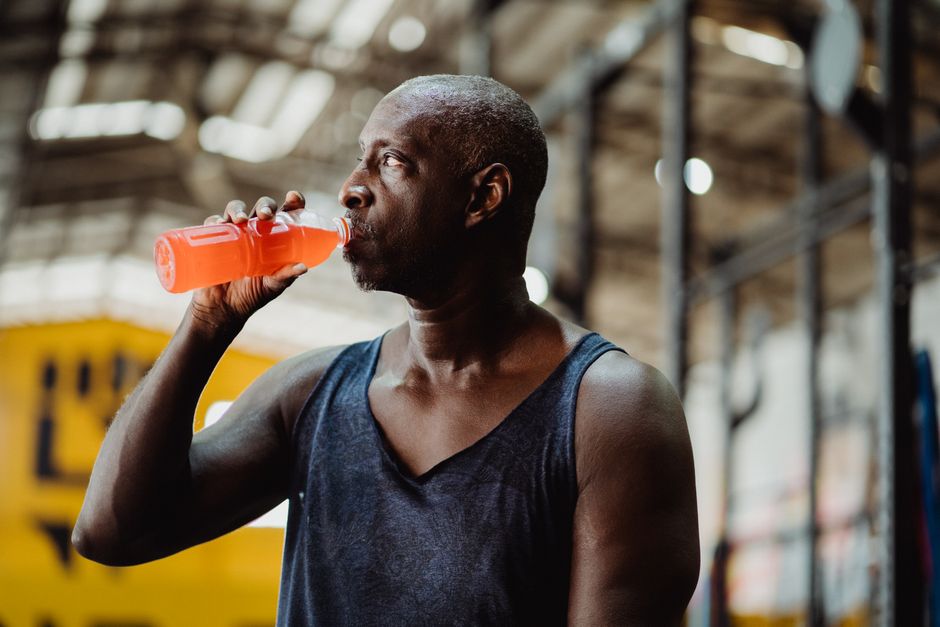
If you walk into any local supplement shop, you’ll likely see a massive tub of creatine monohydrate sitting right next to the neon-colored pre-workouts and protein powders. For decades, the image of creatine has been tied to the “gym bro”—the guy in the tank top trying to add an inch to his biceps. Because of this, many people, especially women and older adults, have steered clear of it, thinking it’s only for those looking to get “bulky.”
But the science has evolved, and the secret is finally out. While it’s true that Yes Creatine Can Help With StrengthBut Its Wellness Benefits Go Way Beyond The Gym. In fact, if we were to discover creatine today, we probably wouldn’t call it a sports supplement; we’d call it a “longevity and brain health” powerhouse.
In this post, we’re going to look past the dumbbells and protein shakes. We’ll explore how this simple, affordable, and highly researched molecule can help you stay sharp, protect your heart, and even improve your mood as you age.
What Exactly is Creatine? (The Non-Sciencey Version)
Before we dive into the benefits, let’s clear up what creatine actually is. It’s not a steroid, and it’s not a lab-created chemical. It’s a naturally occurring compound found in your muscle cells. Your body produces it naturally in the liver and kidneys, and you also get it from eating red meat and fish.
Think of creatine as a backup battery for your cells. Every time you think, move, or breathe, your body uses a molecule called ATP for energy. When you run out of ATP, you get tired. Creatine helps “recharge” that battery quickly, giving your cells the juice they need to keep performing at their best.
Yes Creatine Can Help With StrengthBut Its Wellness Benefits Go Way Beyond The Gym
We have to acknowledge the elephant in the room: creatine is the gold standard for strength. It helps you squeeze out that last rep, run that extra sprint, and recover faster. However, the reason we’re talking about it today is that those same energy-recharging properties work in places you might not expect—like your brain and your bones.
1. A Massive Boost for Your Brain Health
Did you know your brain is one of the most energy-hungry organs in your body? Even though it only accounts for about 2% of your body weight, it consumes about 20% of your daily energy. Just like your muscles, your brain relies on ATP to function.
Recent studies have shown that creatine supplementation can significantly improve cognitive function, especially in people who are sleep-deprived or under high stress. Imagine you’ve had a long week, you’re running on five hours of sleep, and you have a big presentation. Creatine helps your brain maintain its energy levels, which can lead to better focus, faster processing speeds, and improved short-term memory.
Example: A study on vegetarians—who naturally have lower creatine levels because they don’t eat meat—showed that taking a creatine supplement led to a noticeable jump in their memory and intelligence test scores. It’s essentially “brain fuel.”
2. Protecting Your Mind as You Age
As we get older, we all worry about cognitive decline. Researchers are currently looking into how creatine might help protect against neurodegenerative diseases like Parkinson’s and Alzheimer’s. While it’s not a “cure,” the ability of creatine to reduce oxidative stress and keep cellular energy high makes it a very promising tool for long-term brain protection.
Creatine for Healthy Aging and Bone Density
One of the biggest health risks for people over the age of 50 is the loss of muscle mass (sarcopenia) and the thinning of bones (osteoporosis). This is where the “wellness” side of creatine really shines.
Fighting Sarcopenia
Maintaining muscle isn’t just about looking good at the beach; it’s about independence. Muscle is what helps you get out of a chair, carry your groceries, and prevent falls. When older adults combine light resistance training with creatine, they see much better results in muscle retention than with exercise alone. It helps keep the “engine” of the body running smoothly.
Strengthening the Skeleton
There is emerging evidence that creatine may play a role in bone health. By increasing the activity of cells involved in bone formation and reducing inflammation, it could potentially help slow down bone loss. For post-menopausal women, who are at a higher risk for bone density issues, this is a game-changer.
Improving Mood and Mental Well-being
Mental health is a huge pillar of wellness, and surprisingly, creatine might have a seat at the table here too. Research has suggested that creatine may help improve the effectiveness of antidepressants. Because depression is often linked to impaired energy metabolism in the brain, giving the brain that “extra battery life” we talked about can help stabilize mood and improve overall mental outlook.
While it’s not a replacement for therapy or medication, it’s a fascinating example of how a “gym supplement” can impact the very core of how we feel every day.
Real-World Example: Meet Sarah
Let’s look at “Sarah,” a 42-year-old marketing manager and mom of two. Sarah doesn’t want to be a bodybuilder. She does yoga twice a week and goes for a jog when she can. However, she’s been feeling “brain fog” and finds herself exhausted by 3:00 PM every day.
After hearing that Yes Creatine Can Help With StrengthBut Its Wellness Benefits Go Way Beyond The Gym, she started taking a small 3-gram dose daily. A month later, she noticed she wasn’t reaching for a third cup of coffee in the afternoon. She felt sharper during her morning meetings and noticed that her legs didn’t feel as heavy during her weekend jogs. For Sarah, creatine wasn’t about “gains”—it was about having the energy to handle her life.
Debunking the Common Myths
If creatine is so great, why isn’t everyone taking it? Mostly because of outdated myths. Let’s set the record straight:
- “It will make me bloated.” In the old days, people “loaded” creatine by taking 20 grams a day, which caused water retention. If you take a standard 3-5 gram dose, most people experience zero bloating.
- “It’s bad for your kidneys.” For healthy individuals, hundreds of studies have shown that creatine is perfectly safe for long-term use. If you have pre-existing kidney disease, always talk to your doctor first.
- “It causes hair loss.” This myth came from a single, small study on rugby players years ago. It has never been replicated, and there is no solid evidence linking creatine to balding.
Key Takeaways
- Brain Power: Creatine acts as a backup battery for your brain, improving focus and memory.
- Healthy Aging: It helps prevent muscle loss and may support bone density as we get older.
- Mental Health: It may support mood regulation and help the brain handle stress more effectively.
- Safety: It is one of the most researched and safest supplements on the market today.
- Not Just for Athletes: Whether you’re a vegan, a busy professional, or a grandparent, creatine has something to offer.
How to Get Started
If you’re interested in trying it, you don’t need anything fancy. Look for Creatine Monohydrate. It’s the most researched form and also the cheapest. You don’t need the expensive “buffered” or “liquid” versions.
The standard dose is 3 to 5 grams per day (about one small scoop). You can mix it into your morning coffee, a smoothie, or just a glass of water. It’s tasteless and dissolves easily. The key is consistency—it takes a few weeks for your body’s levels to build up, so take it every day, even on days you don’t exercise.
Frequently Asked Questions (FAQ)
Do I need to “load” creatine?
No. While “loading” (taking a high dose for a week) makes it work faster, taking 3-5 grams daily will get you to the same place within a month without the risk of stomach upset.
Is it safe for women?
Absolutely. In fact, women may benefit even more from creatine than men, especially regarding brain health and bone density during and after menopause.
Should I take it on an empty stomach?
It doesn’t really matter. Some people find it easier to remember if they take it with breakfast, but your body will absorb it regardless of when you take it.
Does it work if I don’t exercise at all?
Yes! While the muscle-building benefits require some form of movement, the cognitive and cellular benefits happen regardless of whether you’re hitting the gym or sitting at a desk.
Final Thoughts
It’s time to change the way we think about creatine. It’s not just a tool for the young and the muscular. It’s a versatile, safe, and effective supplement for anyone looking to optimize their health from the inside out. Whether you want to stay sharp at work, keep your bones strong, or just have a bit more energy to get through the day, remember: Yes Creatine Can Help With StrengthBut Its Wellness Benefits Go Way Beyond The Gym.
Written with love and assistance and refined for quality.
🔗 Related: Women with polycystic ovary syndrome exhibit…
🔗 Related: Assessment of perineal body properties in…