In this article, we’ll explore: BcozSheMatters: WHO Health Ministry roll out campaign on women and girls health and well-being and why it matters today.
Related:
👉 Why Women Process Trauma Differently: A Deep Dive into Hormones and Stress
👉 The Truth About Toning: Muscle Plays a Role in Weight Loss But Not How You Think
👉 Why the New #BcozSheMatters Campaign is the Breath of Fresh Air Women’s Healthcare Needs
Imagine a world where a young girl in a remote village doesn’t have to miss school because she lacks basic hygiene products. Imagine a world where a new mother feels just as supported in her mental health as she does in her physical recovery. For too long, the specific, nuanced health needs of women and girls have been pushed to the sidelines or treated as an afterthought. But things are finally changing.
The recent announcement of the BcozSheMatters: WHO Health Ministry roll out campaign on women and girls health and well-being marks a significant turning point. This isn’t just another government initiative filled with complex jargon and empty promises. It’s a movement designed to put the health of women and girls exactly where it belongs: at the very center of the global health agenda.
In this post, we’re going to dive deep into what this campaign actually means for you, your sisters, your mothers, and your daughters. We’ll look at why it’s happening now, what the core goals are, and how it plans to change lives on the ground.
The Heart of the Movement: Why “BcozSheMatters”?
The name itself, #BcozSheMatters, is a powerful statement. It acknowledges a simple but often ignored truth: when you improve the health of a woman, you improve the health of an entire community. Women are often the primary caregivers, the backbone of the local economy, and the heart of the family unit. Yet, they consistently face higher barriers to accessing quality healthcare.
The BcozSheMatters: WHO Health Ministry roll out campaign on women and girls health and well-being was born out of a realization that generic health policies often fail to address the unique biological and social challenges women face. From the stigma surrounding menstruation to the lack of specialized maternal care in rural areas, the gaps are wide. This campaign is the bridge intended to close those gaps.
A Story of Change: Meet Anjali
To understand why this matters, let’s look at Anjali, a 19-year-old living in a small town. For years, Anjali suffered from severe anemia and painful cycles that left her unable to work or study for several days a month. In her community, these issues weren’t discussed; they were simply “part of being a woman.”
Under the new campaign, Anjali’s local health center received specific funding for a “Women’s Wellness Wing.” She didn’t just get a prescription; she received nutritional counseling, iron supplements, and education on reproductive health. Today, Anjali is finishing her degree. That is the “BcozSheMatters” effect in action. It’s about moving from survival to thriving.
The Four Pillars of the Campaign
The WHO and the Health Ministry have structured this rollout around four critical pillars. Each one addresses a specific area where women and girls have historically been underserved.
1. Comprehensive Maternal and Reproductive Health
While maternal mortality rates have dropped globally, they are still unacceptably high in many regions. This pillar focuses on making “safe motherhood” a reality for everyone, not just those in wealthy urban centers. This includes better prenatal care, skilled birth attendants, and post-natal support that includes mental health screenings.
2. Nutritional Security and Anemia Prevention
Malnutrition affects women and girls disproportionately. Whether it’s due to poverty or cultural practices where men eat first, many women suffer from chronic deficiencies. The campaign is rolling out large-scale fortification programs and school-based nutrition initiatives to ensure girls grow up strong and healthy.
3. Breaking the Silence on Menstrual Hygiene
Period poverty is a silent crisis. When girls can’t afford pads or don’t have access to clean toilets, they drop out of school. The campaign is working with local ministries to provide affordable hygiene products and, perhaps more importantly, to educate boys and men to reduce the stigma associated with menstruation.
4. Mental Health and Well-being
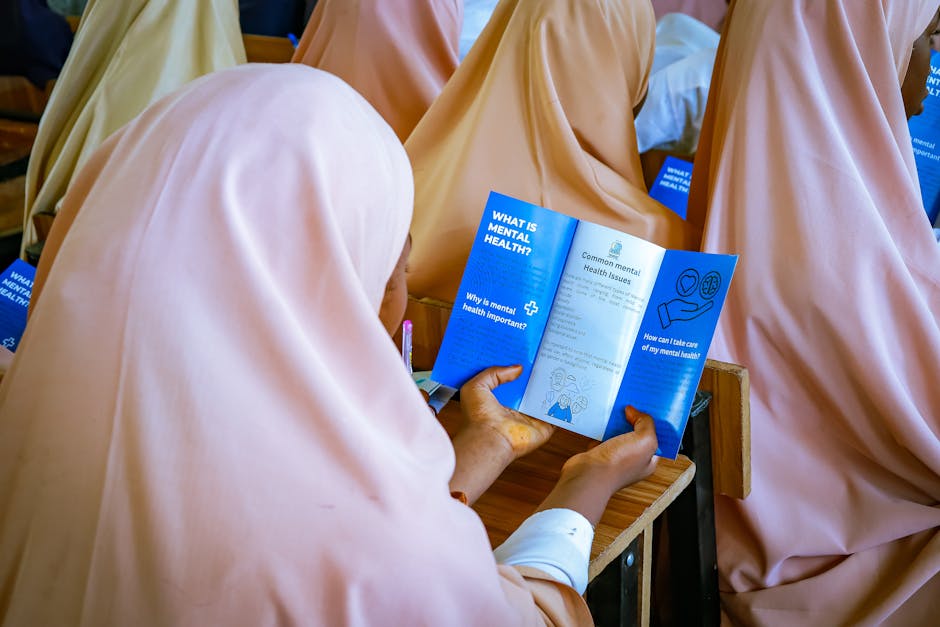
Women are statistically more likely to experience anxiety and depression, often linked to social pressures, domestic roles, or gender-based violence. This campaign integrates mental health services into primary healthcare, making it easier for women to seek help without fear of judgment.
How the Rollout Works: From Policy to People
One of the biggest criticisms of global health campaigns is that they stay “at the top”—in air-conditioned offices and fancy boardrooms. The BcozSheMatters: WHO Health Ministry roll out campaign on women and girls health and well-being is designed differently. It uses a “bottom-up” approach.
- Mobile Health Clinics: In areas where the nearest hospital is a day’s journey away, the campaign is deploying mobile vans equipped with diagnostic tools and staffed by female healthcare workers.
- Community Health Volunteers: The ministry is training thousands of local women to act as “Health Ambassadors.” These women go door-to-door, offering advice on everything from breastfeeding to cancer screenings.
- Digital Health Integration: A new app is being launched that allows women to track their health metrics, book appointments, and chat with doctors virtually, ensuring that even those in lockdown or remote areas stay connected.
Real-World Impact: More Than Just Statistics
When we talk about the BcozSheMatters: WHO Health Ministry roll out campaign on women and girls health and well-being, it’s easy to get lost in the numbers. But the real impact is seen in the stories of everyday people.
Take, for example, the “Pink Clinics” established in several pilot cities. These clinics are staffed entirely by women, creating a “safe space” where girls feel comfortable discussing sensitive issues like sexual health or domestic abuse. In the first three months of the rollout, these clinics saw a 40% increase in young women seeking preventative screenings compared to general hospitals.
This shows that when you design healthcare with the user’s comfort and dignity in mind, they will use it. It’s not just about providing a service; it’s about building trust.
The Challenges Ahead: It’s Not All Smooth Sailing
As much as we want to celebrate this progress, we have to be realistic. Implementing a campaign of this scale faces significant hurdles. Cultural norms can be stubborn. In some regions, male family members still make the primary decisions regarding a woman’s health.
Furthermore, funding must be consistent. A campaign like “BcozSheMatters” cannot be a one-year wonder. It requires long-term investment from both the WHO and national governments to ensure that the infrastructure built today doesn’t crumble tomorrow. This is why the advocacy part of the campaign is so vital—it keeps the pressure on policymakers to keep their promises.
Key Takeaways from the BcozSheMatters Initiative
- Holistic Focus: It’s not just about physical health; mental and emotional well-being are equally prioritized.
- Accessibility: The use of mobile clinics and digital apps ensures that rural and marginalized women aren’t left behind.
- Empowerment: By training local women as health ambassadors, the campaign creates jobs and builds community leadership.
- Stigma Reduction: Significant efforts are being made to normalize conversations around menstruation and reproductive rights.
- Data-Driven: The campaign uses real-time data to identify which regions need the most help and redirects resources accordingly.
Final Thoughts: Why This Matters to All of Us
The BcozSheMatters: WHO Health Ministry roll out campaign on women and girls health and well-being is a beacon of hope. It represents a shift in how we view humanity. We are finally moving away from the “one size fits all” medical model and moving toward one that respects and responds to the specific needs of half the world’s population.
But the government and the WHO can’t do it alone. As citizens, we need to support these initiatives, talk about them in our circles, and hold our local leaders accountable. Whether it’s supporting a local girl’s education or simply sharing information about health screenings, every bit helps. Because at the end of the day, she matters—and when she thrives, we all do.
Frequently Asked Questions (FAQ)
What is the main goal of the BcozSheMatters campaign?
The primary goal is to improve the overall health and well-being of women and girls by providing better access to maternal care, nutritional support, mental health services, and menstrual hygiene education.
Who is funding this initiative?
The campaign is a collaborative effort funded by the World Health Organization (WHO), national Health Ministries, and various international health grants and private partnerships.
How can I get involved in the campaign?
You can get involved by volunteering with local health organizations, spreading awareness on social media using the #BcozSheMatters hashtag, or participating in community health workshops organized by the ministry.
Is this campaign only for women in developing countries?
While a significant focus is on underserved and rural areas in developing nations, the principles of the campaign—such as mental health support and breaking menstrual taboos—are being applied globally to address health inequities everywhere.
Will the campaign provide free medical checkups?
Yes, as part of the rollout, many government-run “Pink Clinics” and mobile health units offer free or highly subsidized screenings for anemia, cervical cancer, and general wellness for women and girls.
Written with love and assistance and refined for quality.
{“@context”:”https://schema.org”,”@type”:”Article”,”headline”:”Why Every Woman Needs to Know About the #BcozSheMatters Campaign: A New Era for Global Health”,”description”:”In this article, weu2019ll explore: BcozSheMatters: WHO Health Ministry roll out campaign on women and girls health and well-being and…”,”author”:{“@type”:”Person”,”name”:”Dr. Cuterus”},”datePublished”:”2026-05-31T09:06:08+00:00″,”dateModified”:”2026-05-31T09:06:08+00:00″,”mainEntityOfPage”:”https://healthyworldz.com/why-every-woman-needs-to-know-about-the-bcozshematters-campaign-a-new-era-for-global-health/”,”image”:[“https://healthyworldz.com/wp-content/uploads/2026/05/bcozshematters-who-health-ministry-roll-out-campaign-on-women-and-girls-health-and-well-being-43.jpg”]}
🔗 Related: Hormonal mechanisms of womens risk in…
🔗 Related: Why womens health needs a system…
🔗 Related: Why womens health needs a system…