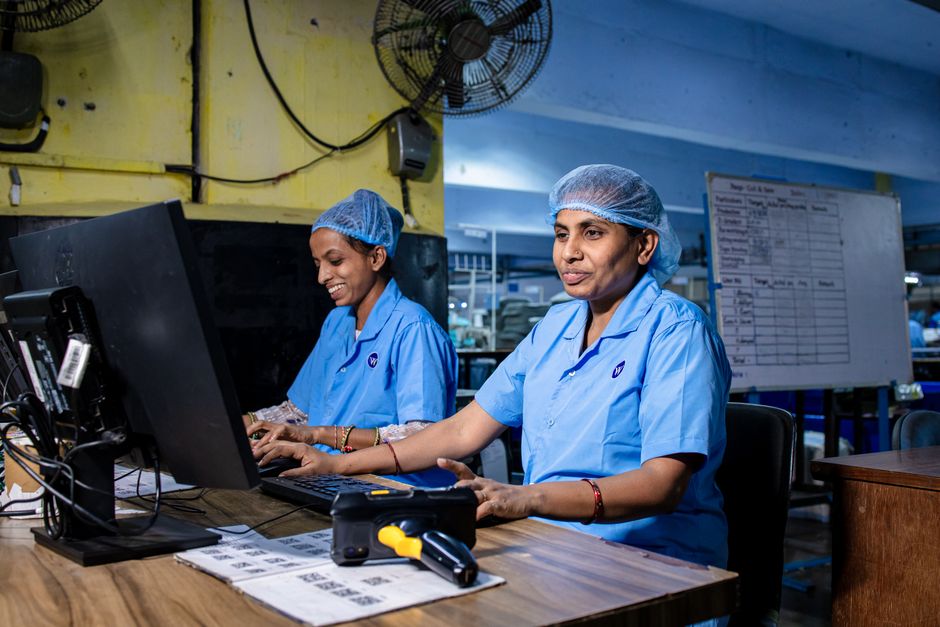
In this article, we’ll explore: BcozSheMatters: WHO Health Ministry roll out campaign on women and girls health and well-being and why it matters today.
Related:
👉 Why Women Experience Trauma Differently: Understanding the Hormonal Mechanisms of Risk and Resilience
👉 Period Poverty: A Global Menstrual Health Crisis We Can No Longer Ignore
👉 Why Am I Not Losing Weight on Wegovy? The Real Reasons (and How to Fix It)
Learn more: BcozSheMatters: WHO Health Ministry roll out campaign on women and girls health and well-being on Wikipedia
Have you ever noticed how the women in our lives—our mothers, sisters, daughters, and friends—are often the last ones to sit down at the dinner table? They are the glue that holds families together, the backbone of our workforce, and the primary caregivers in almost every community. Yet, when it comes to their own health, they are frequently the last ones to seek help. They push through the pain, ignore the fatigue, and prioritize everyone else’s well-being over their own.
This is exactly why the latest global initiative has everyone talking. The BcozSheMatters: WHO Health Ministry roll out campaign on women and girls health and well-being is more than just a catchy hashtag or a government memo. It is a loud, clear, and necessary wake-up call to the world that a society is only as healthy as the women within it.
In this post, we’re going to dive deep into what this campaign is all about, why it matters right now, and how it’s going to change lives on the ground. Whether you are a healthcare provider, a concerned family member, or a woman looking to take charge of your own health, there is something in this movement for you.
What Exactly is the #BcozSheMatters Campaign?
The BcozSheMatters: WHO Health Ministry roll out campaign on women and girls health and well-being is a collaborative effort designed to bridge the massive gap in healthcare access for females of all ages. For too long, “women’s health” was a term limited to maternal care—essentially, how a woman fares during pregnancy and childbirth. While that is incredibly important, this new campaign recognizes that a woman’s health journey begins at birth and continues long after her child-bearing years.
The campaign focuses on a “Life-Cycle Approach.” This means looking at the health needs of a girl when she is five, a teenager navigating puberty, a professional managing stress, and an elderly woman maintaining her mobility. It’s a holistic view that treats health as a right, not a luxury.
The Core Pillars of the Campaign
- Preventative Care: Moving from “sick care” to “well care” through regular screenings and vaccinations.
- Mental Health Support: Breaking the stigma around anxiety, depression, and postpartum struggles.
- Nutrition and Lifestyle: Addressing anemia and malnutrition which disproportionately affect girls.
- Menstrual Hygiene: Ensuring every girl has access to clean products and education without shame.
- Digital Health Access: Using technology to bring doctor consultations to women in remote areas.
The Story of Meera: Why This Matters in the Real World
To understand the impact of the BcozSheMatters: WHO Health Ministry roll out campaign on women and girls health and well-being, let’s look at a story that plays out in thousands of villages and cities every day. Meet Meera, a 34-year-old mother of two living in a bustling suburban neighborhood. Meera works a full-time job and manages her household. For months, she felt a persistent lump in her breast and experienced extreme fatigue.
She didn’t tell anyone. Why? Because she didn’t want to “bother” her husband or take time off work. She assumed it was just stress. By the time she finally went to a clinic, the condition had progressed. Under the new #BcozSheMatters initiative, community health workers would have reached out to Meera’s neighborhood for a routine screening camp. The campaign aims to bring the “hospital” to the woman, rather than waiting for the woman to find the time to go to the hospital.
This campaign is designed to find the “Meeras” of the world before their health issues become crises. It’s about changing the narrative from “I’m fine” to “I’m taking care of myself because I matter.”
Breaking the Silence on Mental Health
One of the most refreshing aspects of the BcozSheMatters: WHO Health Ministry roll out campaign on women and girls health and well-being is its heavy emphasis on mental health. For decades, the mental well-being of women has been swept under the rug. Phrases like “she’s just emotional” or “it’s just hormones” have been used to dismiss genuine psychological distress.
The WHO and Health Ministry are now deploying counselors and creating “Safe Spaces” in community centers. These are places where women can talk about burnout, domestic pressures, and the mental load of caregiving without judgment. By integrating mental health into primary care, the campaign acknowledges that you cannot have a healthy body without a healthy mind.
How the Campaign Tackles Taboos
In many cultures, talking about periods, menopause, or reproductive health is considered “improper.” This silence is dangerous. The #BcozSheMatters campaign uses local influencers, community leaders, and even school teachers to start these conversations. When a young girl understands her body, she is empowered. When an older woman understands menopause, she doesn’t have to suffer in silence.
The Role of Technology: Healthcare at Your Fingertips
We live in a digital age, and the BcozSheMatters: WHO Health Ministry roll out campaign on women and girls health and well-being is leveraging this to the fullest. One of the biggest barriers to healthcare for women is mobility. Whether it’s a lack of transport or the inability to leave children alone, getting to a clinic is hard.
The campaign is rolling out mobile health apps and tele-consultation services specifically for women. Imagine a mother in a rural village being able to video-call a specialist about her daughter’s nutrition without having to travel six hours. This is the future of healthcare that #BcozSheMatters is building.
Why We Need This Now More Than Ever
The last few years have been tough on everyone, but data shows that women’s health took the biggest hit during the global pandemic. Routine screenings for cervical cancer and breast cancer dropped significantly. Maternal mortality rates in some regions saw an uptick for the first time in a decade. The BcozSheMatters: WHO Health Ministry roll out campaign on women and girls health and well-being is a direct response to this “shadow crisis.”
It’s a massive logistical undertaking, but the goal is simple: to ensure that no girl or woman is left behind simply because of her gender or her geography.
Key Takeaways from the #BcozSheMatters Campaign
- Holistic Focus: It covers everything from physical ailments to mental health and nutrition.
- Accessibility: Focuses on bringing healthcare to the doorstep through community workers and digital tools.
- Education: Aims to dismantle cultural taboos that prevent women from seeking help.
- Government Backing: With the WHO and Health Ministry involved, there is significant funding and policy weight behind the initiative.
- Life-Cycle Approach: It’s not just for mothers; it’s for girls, teens, and the elderly alike.
How You Can Get Involved
You don’t have to be a doctor to support the BcozSheMatters: WHO Health Ministry roll out campaign on women and girls health and well-being. Change starts with small, local actions:
- Encourage the Women in Your Life: Ask your mother, sister, or friend when they last had a check-up. Offer to watch the kids so they can go to their appointment.
- Spread the Word: Share information about local health camps and screenings on your social media.
- Educate Yourself: Learn about the signs of common health issues like anemia, PCOS, and depression so you can be a better support system.
- Stop the Stigma: Speak openly about health. The more we talk, the less “taboo” these topics become.
Frequently Asked Questions (FAQ)
1. What is the main goal of the #BcozSheMatters campaign?
The primary goal is to improve the overall health and well-being of women and girls by providing better access to healthcare, education, and mental health support throughout their entire lives.
2. Who is organizing this campaign?
The campaign is a joint initiative between the World Health Organization (WHO) and the Ministry of Health, working alongside local government bodies and NGOs.
3. Does the campaign only focus on pregnancy?
No. While maternal health is a part of it, the campaign covers a wide range of issues including nutrition, menstrual hygiene, mental health, non-communicable diseases (like diabetes and cancer), and geriatric care for older women.
4. How will women in rural areas benefit?
The campaign includes the deployment of mobile health units, community-based health workers, and tele-medicine services to ensure that even those in the most remote locations have access to quality care.
5. Is there a cost to access these services?
Most of the screenings and educational programs under the BcozSheMatters: WHO Health Ministry roll out campaign on women and girls health and well-being are provided for free or at a highly subsidized rate through government health centers.
Final Thoughts
The BcozSheMatters: WHO Health Ministry roll out campaign on women and girls health and well-being isn’t just a medical program; it’s a social movement. It challenges the old idea that a woman’s health is secondary to her family’s needs. It reminds us that when a woman is healthy, she can learn, lead, and thrive. And when she thrives, her family, her community, and her country thrive right along with her.
So, let’s support this initiative. Let’s talk about it, participate in it, and most importantly, let’s make sure the women in our lives know that their health matters—not just because of what they do for others, but simply because they matter.
Written with love and assistance and refined for quality.
🔗 Related: Why Am I Not Losing Weight…
🔗 Related: Hormonal mechanisms of womens risk in…