In this article, we’ll explore: BcozSheMatters: WHO Health Ministry roll out campaign on women and girls health and well-being and why it matters today.
Related:
👉 Why Our Girls Are Struggling: Making Sense of the Widening Gender Mental Health Gap
👉 From PCOS to PMOS: Is a Name Change Enough to Make a Difference?
👉 Closing the Gap: Why Women’s Health Needs a System Redesign to Fix Delayed Diagnostics
Learn more: BcozSheMatters: WHO Health Ministry roll out campaign on women and girls health and well-being on Wikipedia
Think about the women in your life for a moment. Maybe it’s your mother, who always makes sure everyone has eaten before she sits down. Maybe it’s your sister, balancing a high-pressure job and a toddler. Or perhaps it’s a friend who is always the “strong one” for everyone else. There is a common thread that connects many of these women: they often put their own health at the very bottom of their to-do list.
It’s a silent crisis we’ve ignored for too long. But things are finally changing. The BcozSheMatters: WHO Health Ministry roll out campaign on women and girls health and well-being is a massive step toward making sure that no woman has to sacrifice her health for her responsibilities.
This isn’t just another government initiative with a fancy name. It is a movement designed to reshape how we look at healthcare for women and girls. Let’s dive into what this campaign actually means for the average person and why it’s a game-changer for our society.
What is the #BcozSheMatters Campaign All About?
At its heart, the BcozSheMatters: WHO Health Ministry roll out campaign on women and girls health and well-being is a partnership between global expertise and local action. The World Health Organization (WHO) and the Ministry of Health have joined forces to create a roadmap that addresses health issues across a woman’s entire lifespan—not just during her reproductive years.
Historically, “women’s health” was often shorthand for “maternal health.” While making sure mothers survive childbirth is vital, a woman’s life is so much more than that. This campaign looks at the girl child, the teenager, the working professional, and the elderly woman. It covers everything from nutrition and mental health to non-communicable diseases like diabetes and cancer.
The goal is simple but profound: to ensure that every girl and woman has the knowledge, the access, and the support to live her healthiest life. Because when she is healthy, her family thrives, her community prospers, and the nation grows.
The Real-World Impact: Why We Need This Now
To understand why this campaign is so necessary, let’s look at a real-world scenario. Meet Sunita, a 35-year-old living in a bustling suburban neighborhood. Sunita hasn’t seen a doctor in three years. She feels tired all the time and has frequent headaches, but she blames it on “stress.” She thinks a check-up is a luxury she doesn’t have time for.
Under the BcozSheMatters initiative, Sunita wouldn’t just be a statistic. The campaign aims to bring screening camps and awareness right to her doorstep. By normalizing regular check-ups for anemia, blood pressure, and cervical cancer, the campaign removes the “guilt” women feel when they spend time on their own health.
Breaking the Taboo Around Menstrual Hygiene
One of the strongest pillars of this campaign is its focus on young girls. In many parts of the world, menstruation is still a topic discussed in hushed tones. This leads to poor hygiene practices and girls dropping out of school. The WHO and Health Ministry are working to provide not just sanitary products, but also education. They want to turn “shame” into “pride” and ensure that a natural biological process doesn’t stop a girl from getting an education.
Focusing on the “Invisible” Struggle: Mental Health
We don’t talk about it enough, but women are disproportionately affected by anxiety and depression, often due to the “double burden” of home and work. This campaign places a heavy emphasis on mental well-being. It’s about letting women know that it’s okay to not be okay and providing accessible counseling services through community health centers.
Key Pillars of the BcozSheMatters Initiative
The campaign isn’t just a series of posters; it’s a structured plan. Here are the main areas where the WHO and the Health Ministry are focusing their energy:
- Preventive Screenings: Early detection of breast and cervical cancer, as well as regular monitoring for lifestyle diseases like hypertension.
- Nutritional Support: Tackling the high rates of anemia among girls and pregnant women through fortified foods and education.
- Maternal and Neonatal Care: Ensuring that every birth is attended by a skilled professional and that postnatal care is a priority.
- Digital Health Literacy: Using mobile apps and SMS alerts to remind women of their vaccination schedules and health appointments.
- Geriatric Care: Addressing the specific health needs of aging women, including bone health (osteoporosis) and menopause management.
Why “She” Matters to the Economy
If you think this is only a social issue, think again. It’s also an economic one. There is a saying that “investing in a woman is the highest return on investment.” When a woman is healthy, she can participate in the workforce. She can ensure her children are educated and healthy.
The BcozSheMatters: WHO Health Ministry roll out campaign on women and girls health and well-being recognizes that a healthy female population is a prerequisite for a strong economy. By reducing the number of workdays lost to illness and lowering the cost of emergency treatments through early prevention, the campaign is essentially building a more resilient nation.
A Story of Change: The Village Health Worker
Take the example of Radha, a community health worker. Before this campaign, she struggled to get women in her village to attend health talks. Now, with the backing of the BcozSheMatters branding and resources, she has a “toolkit” that makes her job easier. She uses simple videos on her tablet to show mothers the importance of iron-rich diets. She has seen a 40% increase in women coming for routine screenings because the campaign has made it feel like a community event rather than a scary medical procedure.
How Can We Support This Movement?
Government and international bodies can provide the framework, but for a campaign like this to truly succeed, it needs us. It needs the community to step up. Here is how you can help:
- Encourage the Women You Know: If you notice a friend or family member neglecting their health, gently encourage them to get a check-up.
- Spread the Word: Share information about the campaign on social media using the hashtag #BcozSheMatters.
- Educate the Next Generation: Talk to boys and girls about the importance of health equity. Make sure health is a dinner-table conversation.
- Volunteer: If you are a healthcare professional or a student, look for ways to participate in the local camps organized under this initiative.
Key Takeaways
The rollout of this campaign is a landmark moment in public health. Here are the core things to remember:
- Holistic Approach: It’s not just about pregnancy; it’s about health from birth to old age.
- Access for All: The campaign specifically targets rural and underserved urban areas to bridge the healthcare gap.
- Mental Health Matters: Emotional well-being is treated with the same importance as physical health.
- Education is Key: Empowering women with knowledge is the most sustainable way to improve health outcomes.
Final Thoughts
The BcozSheMatters: WHO Health Ministry roll out campaign on women and girls health and well-being is more than just a policy update; it’s a promise. It’s a promise that the health of our daughters, sisters, mothers, and grandmothers will no longer be an afterthought.
We often say that “health is wealth,” but for women, health is also agency. It is the ability to choose her own path, to work, to learn, and to lead. By supporting this campaign, we aren’t just helping individuals; we are strengthening the fabric of our entire society. Because, at the end of the day, she matters—to her family, to her community, and to the future.
Frequently Asked Questions (FAQ)
1. Who is the primary target of the BcozSheMatters campaign?
The campaign targets women and girls of all ages, from infancy through adolescence and adulthood to the elderly. It aims to provide comprehensive health support across every stage of life.
2. Does this campaign only focus on physical health?
No. One of the unique aspects of this campaign is its strong focus on mental health and emotional well-being, recognizing that women often face unique psychological stressors.
3. How will the campaign reach women in rural areas?
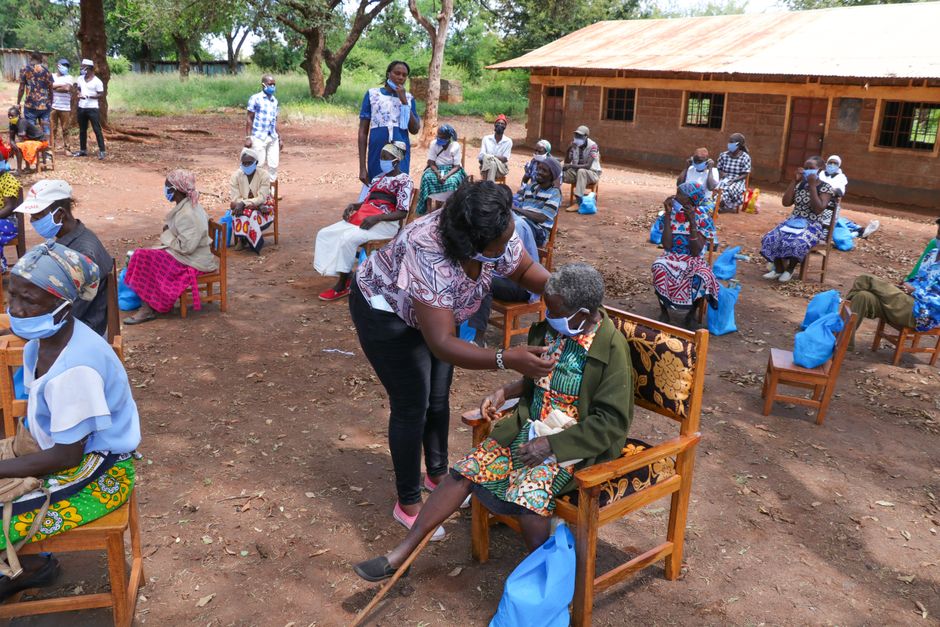
The Health Ministry is utilizing a network of community health workers, mobile clinics, and digital health tools to ensure that even the most remote areas have access to screenings and health education.
4. Can men participate in this campaign?
Absolutely! Men play a crucial role as allies. By supporting the women in their families and advocating for health equity, men are vital to the success of the #BcozSheMatters movement.
5. Is the BcozSheMatters campaign a permanent program?
While the “rollout” is a specific phase, the goals and strategies are being integrated into the long-term national health framework to ensure lasting change in how women’s healthcare is delivered.
Written with love and assistance and refined for quality.
🔗 Related: Why Am I Losing Inches But…
🔗 Related: Hormonal mechanisms of womens risk in…
🔗 Related: From PCOS to PMOS: is a…