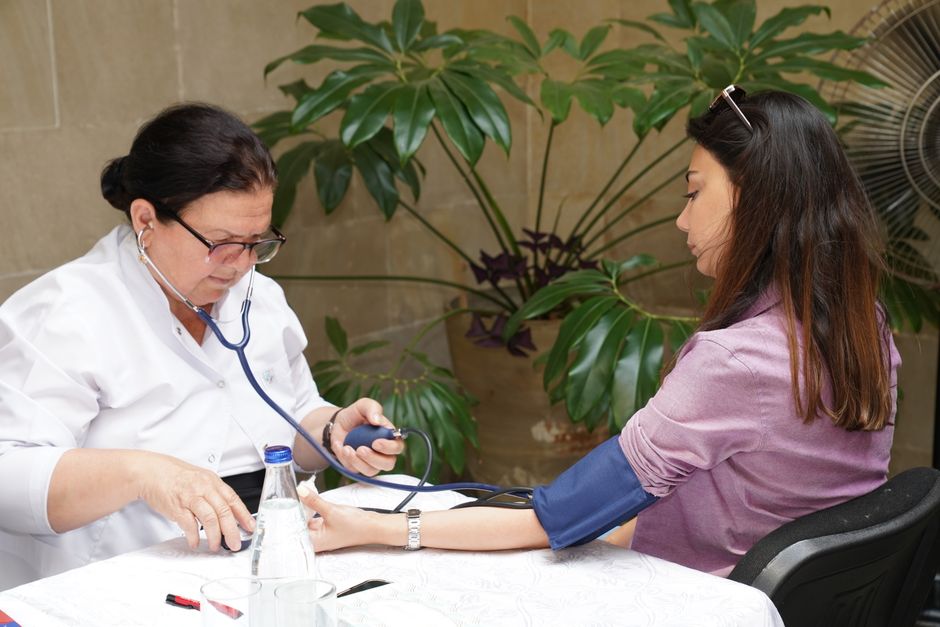
In this article, we’ll explore: BcozSheMatters: WHO Health Ministry roll out campaign on women and girls health and well-being and why it matters today.
Related:
👉 Why Does PCOS Make Pregnancy So Hard? Understanding the New Science of Histone Lactylation
👉 The Double-Whammy Wonder: How One Simple Supplement Rebuilds Your Body and Sharpens Your Mind
👉 Strength Below the Surface: Understanding Perineal Muscle Health and Urinary Leaks Among Young Mothers in Mangaluru
Learn more: BcozSheMatters: WHO Health Ministry roll out campaign on women and girls health and well-being on Wikipedia
Think about the women in your life for a moment. Your mother, your sister, your best friend, or perhaps the woman you see in the mirror every morning. In most societies, women are the glue that holds families and communities together. They are the caregivers, the professionals, the nurturers, and the backbone of the economy. Yet, ironically, when it comes to health and well-being, women and girls often find themselves at the bottom of the priority list.
That is exactly why the latest announcement from the global health stage has sparked so much hope. The BcozSheMatters: WHO Health Ministry roll out campaign on women and girls health and well-being is more than just a government initiative; it is a long-overdue acknowledgement that a healthy society is impossible without healthy women.
In this post, we’re going to explore what this campaign really means, why it’s happening now, and how it aims to change the lives of millions of girls and women across the globe.
What is the BcozSheMatters Campaign All About?
The “BcozSheMatters” initiative is a comprehensive health movement launched as a collaborative effort between the World Health Organization (WHO) and the Ministry of Health. The core philosophy is simple: when you invest in a woman’s health, you invest in the future of an entire nation.
For too long, women’s health has been narrowly defined. People often think of it only in terms of pregnancy and childbirth. While maternal health is incredibly important, the BcozSheMatters: WHO Health Ministry roll out campaign on women and girls health and well-being aims to broaden that lens. It looks at the girl child in school, the young woman entering the workforce, and the elderly woman navigating her golden years.
The campaign focuses on three main areas:
- Accessibility: Ensuring that even the most remote villages have access to quality healthcare.
- Education: Breaking the taboos around menstruation, sexual health, and mental well-being.
- Prevention: Shifting the focus from treating illnesses to preventing them through regular screenings and better nutrition.
The “Unsung Hero” Syndrome: Why This Campaign is Necessary
Let’s look at a real-world example. Meet Sarah. Sarah is a 34-year-old mother of two who works a full-time job and manages her household. When her kids get a fever, she’s at the pediatrician’s office within the hour. When her husband complains of a backache, she makes sure he rests. But when Sarah feels a persistent lump or experiences chronic fatigue, she tells herself, “I’ll deal with it later. I’m too busy right now.”
This is the “Unsung Hero” syndrome. Millions of women globally ignore their own health signals because they are conditioned to put others first. The BcozSheMatters campaign is designed to break this cycle. It tells women like Sarah that her health isn’t a luxury—it’s a necessity.
Closing the Gender Health Gap
Statistics show that women are often diagnosed later than men for conditions like heart disease and certain cancers. There is also a significant gap in research regarding how medications affect the female body differently. By rolling out this campaign, the WHO and the Health Ministry are putting resources into closing these gaps, ensuring that medical care is as effective for a woman as it is for a man.
The Core Pillars: More Than Just Check-ups
The BcozSheMatters: WHO Health Ministry roll out campaign on women and girls health and well-being isn’t just about building more clinics. It’s about a holistic approach to life. Here are the pillars that make this campaign a potential game-changer:
1. Adolescent Health and Nutrition
Health starts early. Many girls in developing regions suffer from anemia and malnutrition, which affects their cognitive development and future reproductive health. The campaign introduces school-based health programs that provide iron supplements and nutritional education to young girls, ensuring they grow up strong and informed.
2. Mental Health and Emotional Well-being
For the first time, a major health campaign is putting a massive spotlight on the mental health of women. From postpartum depression to the anxiety that comes with balancing multiple roles, women face unique mental health challenges. The campaign aims to provide counseling services and safe spaces where women can talk about their struggles without being judged.
3. Screening and Early Detection
Cervical and breast cancers are among the leading causes of death for women worldwide. However, they are highly treatable if caught early. The campaign includes mobile screening units that travel to rural areas, bringing life-saving technology to women who might never have had a mammogram or a Pap smear in their lives.
Real-World Impact: A Story of Change
In a small rural district where the pilot program for BcozSheMatters was first tested, the results were staggering. A local community leader shared the story of a young girl named Meera. Meera had been missing school every month because of severe menstrual pain and a lack of sanitary products. She was falling behind in her studies and becoming withdrawn.
Through the campaign’s outreach, Meera’s school received a “Health Hub” that provided sanitary kits and educated the girls (and their parents) about menstrual hygiene. Meera didn’t just get her education back; she got her confidence back. This is the ripple effect of the campaign. When a girl stays in school, she is more likely to earn a higher income, marry later, and have healthier children of her own.
How the Digital Era is Powering the Campaign
One of the most exciting aspects of the BcozSheMatters: WHO Health Ministry roll out campaign on women and girls health and well-being is its use of technology. We live in a world where almost everyone has a smartphone. The campaign is leveraging this by:
- Telemedicine: Allowing women in remote areas to consult with female specialists via video calls.
- Health Apps: Launching user-friendly apps that track cycles, offer nutritional tips, and provide a direct line to emergency health services.
- Social Media Awareness: Using influencers and real-life stories to normalize conversations about women’s health issues that were once considered “taboo.”
The Role of Men and the Community
While the focus is on women and girls, the WHO and the Health Ministry emphasize that men play a crucial role. For a woman to prioritize her health, she needs a supportive environment at home. The campaign includes workshops for men to help them understand the health needs of their wives, daughters, and mothers. When a father understands the importance of his daughter’s vaccination or a husband supports his wife’s mental health journey, the entire community thrives.
Key Takeaways from the BcozSheMatters Initiative
If you’re looking for the “too long; didn’t read” version, here are the most important points to remember about the BcozSheMatters: WHO Health Ministry roll out campaign on women and girls health and well-being:
- Holistic Focus: It covers everything from physical diseases to mental health and nutrition.
- Life-Cycle Approach: It supports women from adolescence through menopause and beyond.
- Breaking Barriers: It aims to remove the stigma surrounding women’s health issues.
- Collaboration: It combines the global expertise of the WHO with the local reach of the Health Ministry.
- Empowerment: It gives women the tools and knowledge to take charge of their own bodies.
Final Thoughts: A Call to Action
The rollout of the BcozSheMatters campaign is a landmark moment, but its success depends on all of us. It’s not just about what the WHO or the government does; it’s about how we, as individuals, respond.
If you are a woman, take this as a sign to book that check-up you’ve been putting off. If you have women in your life, encourage them to prioritize their well-being. Let’s stop celebrating women only for their “sacrifices” and start celebrating them for their health and happiness. Because, at the end of the day, the campaign says it best: She matters.
Frequently Asked Questions (FAQ)
1. Who is eligible for the services under the BcozSheMatters campaign?
The campaign is designed to be inclusive, targeting all women and girls, with a special focus on those in underserved, rural, or low-income urban areas. Most services provided at government health centers under this campaign are free or highly subsidized.
2. How can I find out if there is a BcozSheMatters event in my area?
You can check the official website of your local Health Ministry or follow the WHO’s regional social media pages. Many local community centers and schools will also display posters and schedules for mobile health clinics.
3. Does the campaign only focus on reproductive health?
No. While reproductive health is a part of it, the campaign also focuses heavily on non-communicable diseases (like diabetes and heart disease), mental health, nutrition, and adolescent wellness.
4. How can men support this campaign?
Men can support the movement by educating themselves on women’s health issues, encouraging the women in their families to seek regular medical advice, and helping to break down social stigmas regarding topics like menstruation and mental health.
5. Is this a permanent program?
The BcozSheMatters campaign is a long-term initiative aimed at creating sustainable changes in the healthcare system. The goal is to integrate these women-centric services into the standard healthcare infrastructure permanently.
Written with love and assistance and refined for quality.
🔗 Related: Perineal muscle strength as a predictor…