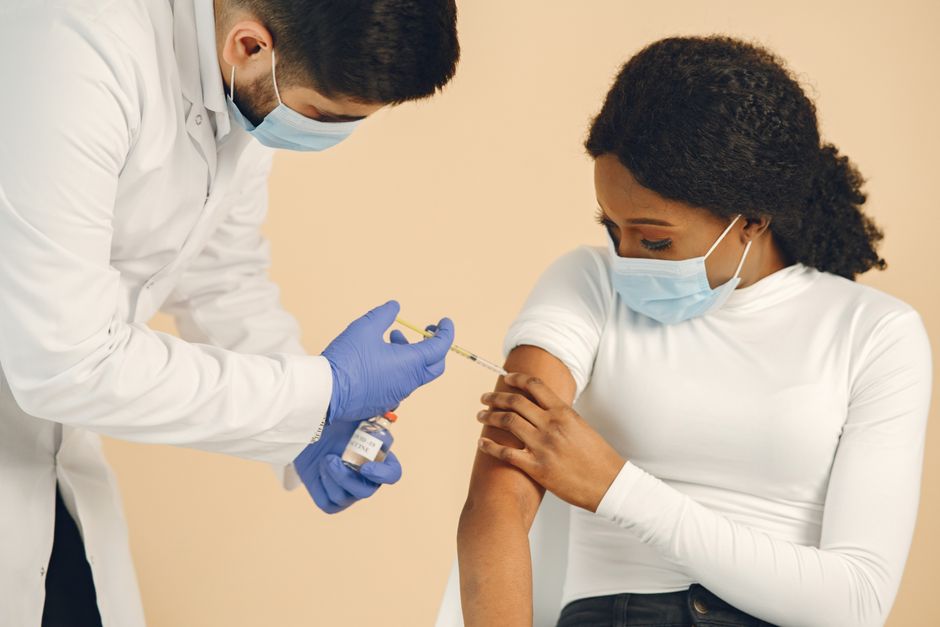
In this article, we’ll explore: Union Health Ministry rolls out Delhi Metro campaign on Womens and Girls Health and well-being and why it matters today.
Related:
👉 Gloria Steinem Personification of the Womens Movement Dies at 92: Remembering a Legend
👉 "I Feel More Comfortable Asking Questions": How We Worked with Mosques to Talk with Muslim Women About Reproductive Health
👉 From Commutes to Conversations: How the Union Health Ministry is Transforming the Delhi Metro into a Health Hub for Women
If you’ve ever traveled on the Delhi Metro during rush hour, you know the vibe. It’s a mix of frantic energy, people checking their watches, and thousands of commuters lost in their smartphones. But lately, if you look up from your screen, you’ll notice something different. The walls of the stations and the panels inside the trains are starting to speak a different language—one of care, health, and empowerment.
The Union Health Ministry rolls out Delhi Metro campaign on Womens and Girls Health and well-being, and honestly, it’s about time. This isn’t just another government announcement tucked away in a newspaper’s back pages. It is a vibrant, visual, and highly strategic move to bring essential health conversations into the public eye. By using the lifeline of the capital—the Metro—the ministry is ensuring that health advice reaches women exactly where they are.
Meeting Women Where They Are: The Power of the Metro
Think about the sheer scale of the Delhi Metro. Millions of people use it every single day. Among them are college students heading to North Campus, corporate professionals commuting to Gurgaon, and mothers taking their children to school. For many of these women, their commute is the only “me-time” they get in a day packed with responsibilities.
By launching this campaign in such a high-traffic environment, the Union Health Ministry is tapping into a “captive audience.” When you’re waiting for the Yellow Line at Rajiv Chowk, you have a few minutes to kill. Instead of scrolling through mindless reels, you might find yourself reading about the importance of iron intake or how to manage polycystic ovary syndrome (PCOS). It’s subtle, yet incredibly effective.
A Shift from “Hospital” to “Household”
For a long time, healthcare information in India felt like something you only encountered when you were already sick. You went to a clinic, saw a poster about vaccines, and that was it. This new campaign flips the script. It brings preventive healthcare into the daily routine. It normalizes talking about women’s bodies and health needs in public spaces, which is a massive step toward breaking social taboos.
What is the Campaign Actually About?
The Union Health Ministry rolls out Delhi Metro campaign on Womens and Girls Health and well-being with a very specific set of goals. It’s not just a general “stay healthy” message. It dives into the nuances of what women and girls face at different stages of their lives.
- Nutrition and Anemia: India has long struggled with high rates of anemia among women. The campaign highlights simple dietary changes and the importance of iron-folic acid supplements.
- Menstrual Hygiene: This is still a “hush-hush” topic in many households. Seeing posters about menstrual health in the Metro helps strip away the shame and encourages girls to practice safe hygiene.
- Mental Health: With the pressures of modern life, anxiety and depression are real issues. The campaign provides resources and reminders that it’s okay to seek help.
- Maternal Care: For expecting mothers, the campaign offers quick tips on prenatal care and the importance of regular check-ups.
The “Sunita” Example: A Story of Impact
Let’s look at a real-world scenario. Imagine Sunita, a 24-year-old woman working as a junior accountant. She’s been feeling tired and dizzy for weeks but brushes it off as “work stress.” One evening, while standing in a crowded coach, she sees a bright infographic from the Union Health Ministry’s campaign. It lists the symptoms of iron deficiency—exactly what she’s been feeling.
The poster doesn’t just list symptoms; it tells her where to go for a free check-up at a government health center. That small moment of realization, triggered by a Metro poster, could be the difference between Sunita continuing to suffer and her getting the treatment she needs. That is the power of public health communication.
Breaking the Silence on Taboo Topics
One of the most refreshing aspects of this initiative is its boldness. In many parts of Indian society, discussing reproductive health or even basic hygiene can feel awkward. By placing these messages in the most public space imaginable—the Delhi Metro—the government is sending a clear signal: Women’s health is a priority, not a secret.
Normalizing the Conversation
When a father and daughter sit together on the Metro and see a poster about menstrual cups or sanitary pads, it opens a door for a conversation that might never have happened at home. It educates men just as much as it empowers women. It fosters a culture where the health of the female members of a family is seen as a collective responsibility, not just a “woman’s problem.”
The Strategy Behind the Visuals
As an SEO and marketing expert, I can tell you that the “creative” part of this campaign is just as important as the message. The Union Health Ministry hasn’t just used boring, text-heavy flyers. They’ve used:
- Bright, Engaging Colors: To catch the eye in a sea of grey concrete.
- Simple Language: Using Hindi and English so that the message is accessible to everyone, regardless of their educational background.
- Relatable Imagery: Using illustrations of women from all walks of life—students, workers, and homemakers—to make the viewer feel “This is for me.”
Digital Integration
Many of these posters also feature QR codes. This is a brilliant touch. A commuter can quickly scan the code and be directed to a website or a video that explains a health topic in more detail. It bridges the gap between a physical poster and a digital resource, allowing for deep learning on the go.
Why This Matters for the Future of Public Health
The fact that the Union Health Ministry rolls out Delhi Metro campaign on Womens and Girls Health and well-being suggests a larger shift in how the government views its citizens. It’s moving away from a “top-down” approach and toward a “side-by-side” approach. It’s about being a partner in a citizen’s health journey.
If this campaign succeeds in Delhi, we can expect to see similar initiatives in the Bengaluru Metro, the Mumbai Local, and the Kolkata Underground. The ripple effect could be massive. When you improve the health of women and girls, you improve the health of the entire nation. Healthy women are more likely to participate in the workforce, more likely to ensure their children are educated, and more likely to drive economic growth.
Key Takeaways from the Campaign
- Accessibility: Healthcare information is now as accessible as a Metro ticket.
- Prevention over Cure: The focus is on early detection and healthy habits to prevent long-term illness.
- Inclusivity: The campaign covers girls, young women, and mothers, ensuring no age group is left behind.
- Stigma Reduction: Publicly displaying information on “taboo” subjects helps normalize them.
Frequently Asked Questions (FAQ)
1. What is the main goal of the Delhi Metro health campaign?
The main goal is to raise awareness about the physical and mental well-being of women and girls. It aims to provide easy-to-understand information on nutrition, hygiene, and preventive healthcare to millions of daily commuters.
2. Who is behind this initiative?
The initiative is spearheaded by the Union Health Ministry in collaboration with the Delhi Metro Rail Corporation (DMRC).
3. What topics are covered in the campaign?
The campaign covers a wide range of topics, including anemia prevention, menstrual hygiene, mental health awareness, maternal care, and the importance of regular health screenings.
4. Why was the Delhi Metro chosen for this campaign?
The Delhi Metro was chosen because of its massive daily footfall. It allows the ministry to reach a diverse demographic of women and girls from different socioeconomic backgrounds in a cost-effective and impactful way.
5. Can I get more information from these posters?
Yes! Most of the campaign materials include QR codes or website links that direct you to official health portals where you can find detailed guides, videos, and locations of nearby government health centers.
Final Thoughts
The next time you’re boarding a train at Huda City Centre or changing lines at Kashmere Gate, take a moment to look around. These posters are more than just decorations; they are a sign of a changing India. An India where a girl’s health is prioritized, where a woman’s well-being is celebrated, and where the government meets its people right where they are—on the move.
The Union Health Ministry rolls out Delhi Metro campaign on Womens and Girls Health and well-being is a masterclass in public communication. It’s simple, it’s human, and most importantly, it’s exactly what we need. So, here’s to healthier commutes and a healthier future for every woman navigating the tracks of life!
Written with love and assistance and refined for quality.
🔗 Related: Woman suffers permanent brain damage after…
🔗 Related: Run and Get an IUD or…