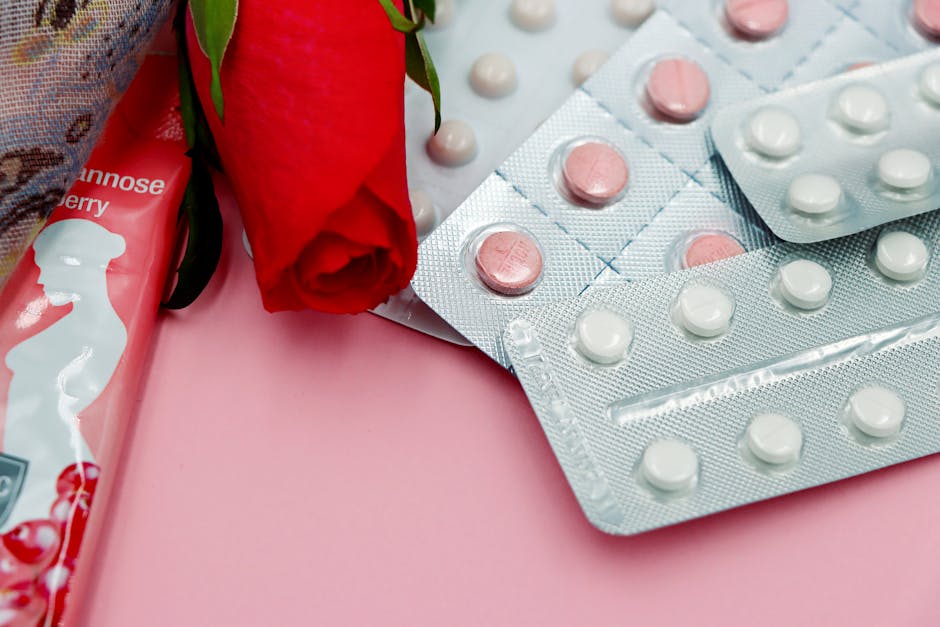
In this article, we’ll explore: Hormonal mechanisms of womens risk in the face of traumatic stress and why it matters today.
Related:
👉 The Hidden Chemistry of Resilience: Understanding Hormonal Mechanisms of Women’s Risk in the Face of Traumatic Stress
👉 Muscle Plays a Role in Weight Loss But Not How You Think
👉 Why Women’s Health is Finally Taking Center Stage: The Story Behind the BcozSheMatters Campaign
Learn more: Hormonal mechanisms of womens risk in the face of traumatic stress on Google Search
Have you ever noticed how two people can experience the exact same scary event, yet walk away with completely different emotional scars? Imagine a car accident where both the driver and the passenger walk away without a scratch. A month later, one is back behind the wheel, while the other can’t even look at a car without their heart racing. Statistics show that women are roughly twice as likely as men to develop Post-Traumatic Stress Disorder (PTSD) following a traumatic event. For a long time, society chalked this up to “emotional sensitivity,” but science tells a much more fascinating—and biological—story.
When we dive into the hormonal mechanisms of womens risk in the face of traumatic stress, we find that it isn’t about being “stronger” or “weaker.” It’s about a complex, internal chemical dance that dictates how the brain records, stores, and reacts to danger. By understanding these mechanisms, we can move away from stigma and toward better, more personalized care for women’s mental health.
The Biological “Thermostat”: The HPA Axis
To understand how trauma hits the female body, we first have to talk about the Hypothalamic-Pituitary-Adrenal (HPA) axis. Think of this as your body’s internal thermostat for stress. When you see a threat—like a bear in the woods or a sudden loud bang—your HPA axis kicks in, pumping out cortisol (the stress hormone) to help you survive.
In women, this thermostat is often more sensitive. Research suggests that the female brain may be more “finely tuned” to detect threats. While this was likely an evolutionary advantage for protecting offspring, in the modern world, it can lead to a state of “hyper-arousal.” When the HPA axis stays “on” for too long, it changes how the brain processes memories, making traumatic events feel like they are happening over and over again in the present moment.
The Role of Estrogen: The Fear Extinction Factor
One of the most significant hormonal mechanisms of womens risk in the face of traumatic stress involves estrogen. Estrogen isn’t just for reproduction; it’s a powerful neuroprotective hormone that influences how the brain handles fear.
What is Fear Extinction?
In psychology, “fear extinction” is the process of learning that something that was once dangerous is now safe. For example, if you were bitten by a dog, fear extinction is the process that allows you to eventually walk past a dog without panicking. It’s the brain’s way of “updating” its software.
The Estrogen Connection
Studies have found that estrogen levels play a massive role in this “updating” process. When estrogen levels are high, the brain is generally better at fear extinction. It can say, “That was scary, but I’m safe now.” However, when estrogen levels are low—such as during specific points in the menstrual cycle—the brain struggles to “unlearn” the fear. This can cause the trauma to become “stuck,” increasing the risk of long-term PTSD.
The Menstrual Cycle: A Window of Vulnerability
This brings us to a topic rarely discussed in doctor’s offices: the timing of the trauma. Because hormones fluctuate throughout the month, a woman’s biological resilience to stress isn’t a flat line; it’s a wave.
- The Follicular Phase: During the first half of the cycle, when estrogen is rising, women may actually have a biological “shield” that helps them process stress more effectively.
- The Luteal Phase: In the days leading up to a period, estrogen and progesterone levels can drop significantly. Research suggests that trauma experienced during this “low-hormone” window may be more likely to result in intrusive memories and flashbacks.
Example: Imagine two women, Sarah and Elena, who both witness a frightening bank robbery. Sarah is in the middle of her cycle with high estrogen levels. Elena is just two days away from her period. Biologically, Elena’s brain may have a harder time “shutting off” the alarm bells after the event, making her more susceptible to the hormonal mechanisms of womens risk in the face of traumatic stress.
Progesterone and the “Calming” Effect
While estrogen gets a lot of the spotlight, progesterone is equally important. Progesterone breaks down into a neurosteroid called allopregnanolone (often called “Allo”). Allo acts like a natural Valium for the brain—it binds to the same receptors as anti-anxiety medications to help calm the nervous system.
In some women, particularly those prone to PTSD or PMDD (Premenstrual Dysphoric Disorder), the body doesn’t process Allo correctly. Instead of feeling calm when progesterone rises, the brain stays in a state of high alert. This lack of a “natural brake” on the stress response makes it much harder to recover after a traumatic event.
Oxytocin: The “Tend and Befriend” Response
We’ve all heard of “fight or flight,” but researchers have identified a third response more common in women: “tend and befriend.” This is driven by oxytocin, often called the “cuddle hormone.”
When women face stress, their bodies release oxytocin, which encourages them to seek social support and nurture others. This is a beautiful survival strategy, but it can be a double-edged sword. If a woman is in an environment where she cannot seek safety or support (such as an abusive relationship), the frustration of this hormonal drive can lead to deeper psychological distress and a higher “allostatic load”—the wear and tear on the body from chronic stress.
Real-World Implications: Why This Matters
Understanding these hormonal mechanisms of womens risk in the face of traumatic stress isn’t just academic; it has real-world consequences for how we treat health.
1. Personalized Therapy: If a therapist knows that a woman’s cycle affects her fear extinction, they might schedule more intensive sessions during her high-estrogen phases to maximize the effectiveness of “re-learning” safety.
2. Emergency Room Care: Some researchers suggest that administering hormonal stabilizers to women in the immediate aftermath of a trauma (like a sexual assault) could potentially “block” the trauma from becoming permanent PTSD.
3. Reducing Shame: Many women feel ashamed that they “can’t get over” an event. Knowing that their hormones played a role in how the memory was stored can be incredibly healing. It’s not a character flaw; it’s chemistry.
Key Takeaways
- Hormones are Brain Chemicals: Estrogen and progesterone aren’t just for “lady parts”; they are fundamental to how the brain processes fear and safety.
- Timing Matters: The phase of the menstrual cycle at the time of a trauma can influence whether that trauma turns into PTSD.
- Estrogen is a Protector: Higher levels of estrogen generally help the brain “unlearn” fear, while low levels can make fear stick.
- Biology is Not Destiny: Understanding these risks doesn’t mean women are “doomed” to suffer; it means we can develop better tools to help them heal.
FAQ: Common Questions About Hormones and Trauma
1. Does this mean birth control affects how I handle stress?
It’s possible. Hormonal contraceptives flatten the natural hormonal peaks and valleys. Some studies suggest that certain types of birth control might interfere with fear extinction, but more research is needed. If you feel your mood or stress levels changed significantly on the pill, it’s worth a conversation with your doctor.
2. Can men experience these hormonal risks too?
While men have much lower levels of estrogen and progesterone, they have their own hormonal stress responses (mostly involving testosterone and cortisol). However, the specific hormonal mechanisms of womens risk in the face of traumatic stress discussed here are unique to the female endocrine system.
3. Is PTSD purely hormonal?
No. Trauma is a “whole-person” experience involving your environment, your history, your genetics, and your support system. Hormones are just one very important piece of the puzzle that has been overlooked for too long.
4. What can I do if I think my hormones are making my anxiety worse?
Tracking your cycle alongside your symptoms is a great first step. If you notice your “bad days” or flashbacks always happen right before your period, you can work with a provider to look at hormonal support or targeted therapy during those windows.
Conclusion: Moving Toward a More Compassionate Future
For decades, medical research ignored the female cycle, viewing it as a “complication” in studies. But by ignoring those fluctuations, we ignored the very hormonal mechanisms of womens risk in the face of traumatic stress that explain why so many women struggle with the aftermath of trauma.
When we acknowledge that a woman’s brain is operating within a unique hormonal landscape, we stop asking “What’s wrong with her?” and start asking “How can we support her biology?” Empowerment comes from knowledge. If you are a woman who has survived trauma, know that your body’s response was a biological attempt to protect you—and with the right understanding of your chemistry, you can guide your body back to a state of peace.
Written with love and assistance and refined for quality.
{“@context”:”https://schema.org”,”@type”:”Article”,”headline”:”Why Women Process Trauma Differently: Understanding the Hormonal Mechanisms of Stress”,”description”:”In this article, weu2019ll explore: Hormonal mechanisms of womens risk in the face of traumatic stress and why it matters…”,”author”:{“@type”:”Person”,”name”:”Dr. Cuterus”},”datePublished”:”2026-05-26T12:24:41+00:00″,”dateModified”:”2026-05-26T12:24:41+00:00″,”mainEntityOfPage”:”https://healthyworldz.com/why-women-process-trauma-differently-understanding-the-hormonal-mechanisms-of-stress/”,”image”:[“https://healthyworldz.com/wp-content/uploads/2026/05/hormonal-mechanisms-of-womens-risk-in-the-face-of-traumatic-stress-280.jpg”]}
🔗 Related: BcozSheMatters: WHO Health Ministry roll out…
🔗 Related: Hormonal mechanisms of womens risk in…
🔗 Related: Hormonal mechanisms of womens risk in…