In this article, we’ll explore: 8 Foods To Avoid With an Upset Stomachand What To Eat Instead and why it matters today.
Related:
👉 BcozSheMatters: Why the New WHO and Health Ministry Campaign is a Game-Changer for Women Everywhere
👉 Beyond Hormones: Why Women with Polycystic Ovary Syndrome Exhibit Impaired Endometrial Receptivity with Excessive ER and Histone Lactylation
👉 8 Foods To Avoid With an Upset Stomach and What To Eat Instead
Learn more: 8 Foods To Avoid With an Upset Stomachand What To Eat Instead on Investopedia
We’ve all been there. You’re sitting on the couch, clutching a pillow to your midsection, wondering if it was the extra-spicy taco or that second cup of iced coffee that did you in. When your stomach is in knots, the world feels a little bit darker. All you want is relief, but in your hunger, you might reach for the wrong thing and end up making the situation ten times worse.
Managing an upset stomach is a delicate balancing act. Your digestive system is essentially on “strike,” and trying to force-feed it difficult nutrients is like asking someone with a broken leg to run a marathon. To get back on your feet, you need to know which foods are your friends and which are your absolute enemies.
In this guide, we’re going to dive deep into the 8 Foods To Avoid With an Upset Stomach and What To Eat Instead. We’ll look at why certain “healthy” foods are actually bad during a flare-up and how you can soothe your system without starving yourself.
Why Does Food Choice Matter So Much?
Think of your stomach lining like a piece of sunburned skin. If you rub sandpaper on a sunburn, it’s going to hurt. If you apply a cool, gentle lotion, it feels better. Certain foods act like sandpaper on an irritated gut—they trigger more acid production, cause gas, or speed up contractions that lead to… well, you know. Choosing the right fuel gives your body the energy it needs to heal without adding to the workload.
1. Dairy Products (Even if You Aren’t Lactose Intolerant)
You might usually love a cold glass of milk or a slice of cheese, but when your stomach is upset, dairy is often the first thing that should go. Even if you don’t typically have a dairy allergy, an irritated gut can become temporarily “lactose intolerant.”
Why it hurts:
When the lining of your small intestine is inflamed (due to a virus or bacteria), it loses some of its ability to produce lactase, the enzyme needed to digest milk sugar. This can lead to bloating, gas, and worsening diarrhea.
What to eat instead:
If you’re craving something creamy, try a small amount of plain, unsweetened almond milk or a few sips of coconut water. Coconut water is especially great because it provides electrolytes without the heavy fats found in dairy.
2. Spicy Foods and Hot Sauces
We all have that one friend who puts hot sauce on everything, but even the most seasoned “chili-head” needs to back off when their stomach is rumbling. Spicy foods contain a compound called capsaicin.
Why it hurts:
Capsaicin can irritate the esophagus and the stomach lining. It speeds up digestion, which is the last thing you want if you’re already dealing with a “runny” situation. It can also trigger heartburn and acid reflux, adding a burning chest to your list of problems.
What to eat instead:
Keep it bland. If you need flavor, use a tiny bit of salt or fresh herbs like parsley or cilantro. These provide a hint of taste without the thermal heat that triggers inflammation.
3. Fried and Fatty Foods
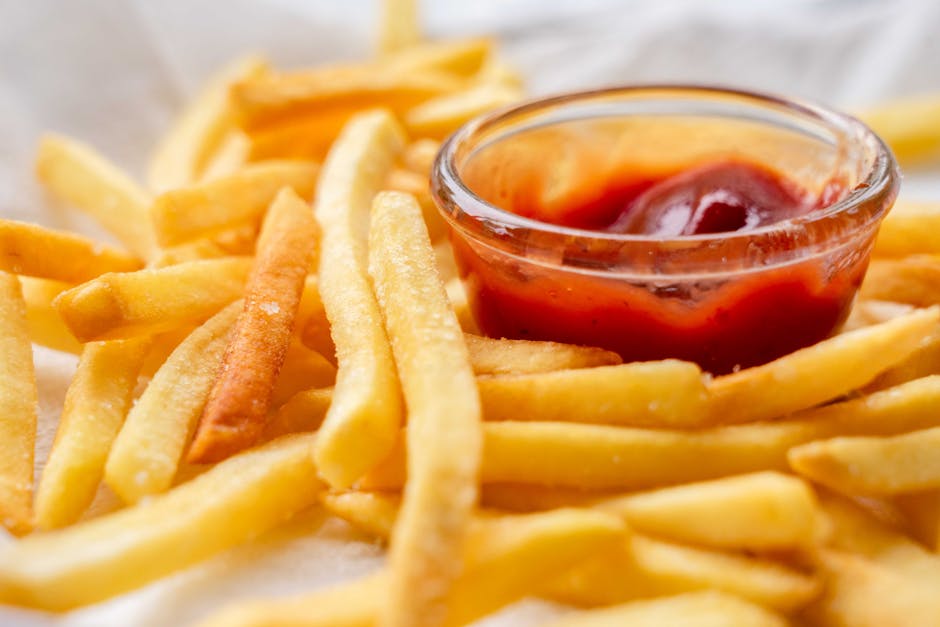
Let’s say you’re starting to feel a little better and you think, “Maybe a few French fries won’t hurt.” Stop right there. Greasy, fried foods are perhaps the hardest things for a compromised stomach to process.
Why it hurts:
Fats take a long time to digest. They sit in the stomach longer, which can lead to a feeling of “heaviness” and nausea. Furthermore, high-fat foods can trigger the “gastrocolic reflex,” which tells your colon to empty out immediately. If you’re already struggling with diarrhea, fried chicken is like pouring gasoline on a fire.
What to eat instead:
Baked or steamed proteins. A plain, skinless chicken breast or a piece of white fish (like cod or tilapia) prepared without oil will give you the protein you need without the digestive strain.
4. Acidic Foods (Citrus and Tomatoes)
Oranges are full of Vitamin C, and tomatoes are great for heart health, but they are incredibly acidic. When your stomach is already producing excess acid to fight off a bug or digest a heavy meal, adding more acid is a recipe for disaster.
Why it hurts:
Acidic foods can irritate the lining of the esophagus and stomach. If your upset stomach is accompanied by nausea or “sour stomach,” citrus fruits like lemons, limes, and grapefruits will likely make you feel worse.
What to eat instead:
Go for low-acid fruits. Bananas are the gold standard here. They are soft, easy to swallow, and provide potassium, which is often lost during bouts of vomiting or diarrhea.
5. Artificial Sweeteners (Sugar Alcohols)
You might think reaching for “sugar-free” gum or a diet soda is a safe bet, but check the label for ingredients ending in “-itol,” like sorbitol, xylitol, or erythritol.
Why it hurts:
These sugar alcohols are not fully absorbed by the body. They travel to the large intestine where they ferment and pull water into the gut. This creates a “laxative effect” that can cause severe bloating and cramping even in healthy people.
What to eat instead:
Stick to small amounts of natural sugars if you need a boost. A teaspoon of honey in warm water or a small bit of applesauce is much easier for your body to manage than synthetic sweeteners.
6. Caffeine and Alcohol
This one is tough for the coffee lovers, but your morning brew needs to stay in the pot when your stomach is acting up. The same goes for that evening glass of wine.
Why it hurts:
Caffeine is a stimulant that increases gut motility (the speed at which things move through you). It also increases acid production. Alcohol, on the other hand, is a toxin that can irritate the stomach lining and dehydrate you—which is dangerous if you’re already losing fluids.
What to eat (or drink) instead:
Herbal teas are your best friend. Peppermint tea can help relax the muscles in your digestive tract, while ginger tea is world-renowned for its anti-nausea properties. If you’re a coffee drinker, try to wait at least 24 hours after your symptoms disappear before having your first cup.
7. Cruciferous Vegetables (Broccoli, Cabbage, Cauliflower)
Usually, we’re told to eat more greens. But when your stomach is upset, these “superfoods” become “trouble-foods.”
Why it hurts:
Vegetables like broccoli and kale are packed with complex fibers and a sugar called raffinose. These are hard to break down even on a good day. When your gut is sensitive, these fibers ferment in the gut, leading to painful gas and a “distended” belly feeling.
What to eat instead:
Well-cooked, starchy vegetables. Think peeled, boiled potatoes or carrots. Peeling them removes the toughest fibers, and boiling them breaks down the structure so your stomach doesn’t have to do the heavy lifting.
8. Processed Snacks and High-Sugar Treats
When we feel sick, we often crave “comfort foods” like cookies, crackers, or sugary cereals. However, these highly processed items often contain preservatives and high amounts of refined sugar.
Why it hurts:
Refined sugar can cause “osmotic pressure” in the intestines, drawing out water and making diarrhea worse. Additionally, the preservatives in packaged snacks can be hard for an inflamed gut to recognize and process, leading to more discomfort.
What to eat instead:
The “BRAT” diet has been a staple for decades for a reason. It stands for Bananas, Rice (white), Applesauce, and Toast (white). These foods are low in fiber, bland, and easy for the body to turn into energy without any drama.
Real-World Example: Sarah’s Sunday Morning
Take my friend Sarah, for example. Last month, she woke up with a classic case of “stomach flu.” By noon, she felt hungry and reached for a bowl of leftover spicy pasta and a Diet Coke. Within twenty minutes, she was back in bed, feeling twice as worse. Why? Because she hit three of the “avoid” categories at once: spice, acid (from the tomato sauce), and artificial sweeteners (from the soda).
The next day, she switched to white rice with a little bit of ginger tea. By evening, the cramping had stopped. The lesson? Your stomach is a sensitive machine; treat it with some respect when it’s malfunctioning!
Key Takeaways
- Keep it Bland: Avoid spices, heavy oils, and acids.
- Stay Hydrated: Focus on water, herbal teas, and electrolyte drinks rather than coffee or soda.
- Peel and Cook: If you eat veggies, make sure they are peeled and cooked until soft.
- Think “White”: White rice, white toast, and white potatoes are easier to digest than whole-grain versions during an illness.
- Listen to Your Body: If you aren’t hungry, don’t force it. Small sips of liquid are more important than solid food in the first few hours.
Frequently Asked Questions (FAQ)
Is oatmeal okay for an upset stomach?
Yes, but keep it simple. Make it with water instead of milk, and avoid adding lots of sugar or heavy nuts. Plain oatmeal is a great source of soluble fiber which can help firm up stools.
How long should I wait before eating “normal” food again?
A good rule of thumb is to wait at least 24 to 48 hours after your last “incident” (vomiting or diarrhea) before reintroducing heavy fats or dairy. Start with small portions to see how your body reacts.
Can I drink ginger ale?
Ginger is great, but most commercial ginger ales are packed with high-fructose corn syrup and very little real ginger. It’s better to drink real ginger tea or mix a bit of fresh ginger juice with plain sparkling water.
Are eggs safe to eat?
Yes, boiled or poached eggs are usually safe because they are high in protein and soft. Just avoid frying them in butter or oil, as the fat can trigger more stomach upset.
Is yogurt good for an upset stomach?
This is a “maybe.” While the probiotics in yogurt are good for gut health long-term, the lactose can be hard to digest during the acute phase of an illness. If you do eat it, choose plain, low-fat Greek yogurt.
Remember, while these tips help with general stomach upset, if you have a high fever, severe pain, or symptoms that last more than a few days, you should always consult a medical professional. Take care of your gut, and it will take care of you!
Written with love and assistance and refined for quality.
{“@context”:”https://schema.org”,”@type”:”Article”,”headline”:”8 Foods To Avoid With an Upset Stomach and What To Eat Instead: A Survival Guide for Your Gut”,”description”:”In this article, weu2019ll explore: 8 Foods To Avoid With an Upset Stomachand What To Eat Instead and why it…”,”author”:{“@type”:”Person”,”name”:”Dr. Cuterus”},”datePublished”:”2026-05-21T09:27:24+00:00″,”dateModified”:”2026-05-21T09:27:24+00:00″,”mainEntityOfPage”:”https://healthyworldz.com/8-foods-to-avoid-with-an-upset-stomach-and-what-to-eat-instead-a-survival-guide-for-your-gut/”,”image”:[“https://healthyworldz.com/wp-content/uploads/2026/05/8-foods-to-avoid-with-an-upset-stomachand-what-to-eat-instead-107.jpg”]}
🔗 Related: Women with polycystic ovary syndrome exhibit…
🔗 Related: BcozSheMatters: WHO Health Ministry roll out…
🔗 Related: Muscle Plays a Role in Weight…