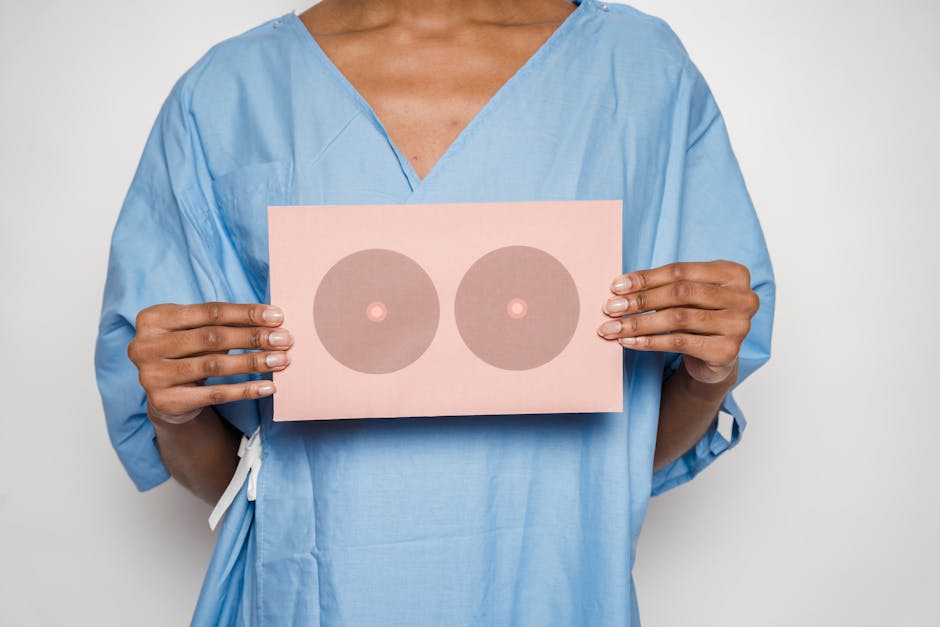
In this article, we’ll explore: BcozSheMatters: WHO Health Ministry roll out campaign on women and girls health and well-being and why it matters today.
Related:
👉 8 Foods To Avoid With an Upset Stomach and What To Eat Instead: A Survival Guide for Your Gut
👉 Why Stress Hits Differently: Understanding the Hormonal Mechanisms of Women’s Risk in the Face of Traumatic Stress
👉 BcozSheMatters: Why the New WHO and Health Ministry Campaign is a Game-Changer for Women Everywhere
Think about the women in your life for a moment. Your mother, who might have ignored her back pain to make sure you finished your homework. Your sister, who balances a high-pressure job while managing a household. Or the young girl next door who dreams of becoming a doctor but misses school every month because she lacks basic sanitary supplies.
For too long, women’s health has been treated as a “niche” issue or something that only matters during pregnancy. But the reality is far different. When a woman is healthy, her family thrives, her community prospers, and the economy grows. Recognizing this vital link, a major new initiative has taken center stage. The BcozSheMatters: WHO Health Ministry roll out campaign on women and girls health and well-being is not just another policy update; it is a movement designed to put women’s wellness at the heart of global development.
In this post, we’re going to break down what this campaign is all about, why it matters more than ever, and how it aims to change the lives of millions of girls and women across the globe.
What Exactly is the #BcozSheMatters Campaign?
The BcozSheMatters: WHO Health Ministry roll out campaign on women and girls health and well-being is a collaborative effort between the World Health Organization and national Health Ministries. It’s a comprehensive framework designed to address the unique health challenges women face at every stage of their lives—from infancy and adolescence through to their senior years.
The campaign isn’t just about handing out medicine. It’s about systemic change. It focuses on several key pillars:
- Universal Access: Ensuring that even the most remote villages have access to quality healthcare.
- Education: Breaking the taboos around menstruation, sexual health, and mental wellness.
- Preventative Care: Moving from “treating sickness” to “maintaining wellness” through screenings and vaccinations.
- Policy Reform: Encouraging governments to allocate specific budgets for women-centric health initiatives.
The Invisible Burden: Why This Campaign is Overdue
Let’s look at a real-world example. Meet Sarah. Sarah lives in a rural area and works on a farm. She has three children. For the last two years, she has felt a growing lump in her breast. However, the nearest clinic is ten miles away, and she can’t afford the bus fare, let alone the consultation fee. She tells herself it’s probably nothing and goes back to work. By the time Sarah finally sees a doctor, the “nothing” has become a stage-four crisis.
Sarah’s story is repeated millions of times every day. Whether it’s a lack of transport, financial constraints, or the cultural expectation that a woman’s needs come last, the barriers are real. The BcozSheMatters: WHO Health Ministry roll out campaign on women and girls health and well-being aims to dismantle these barriers by bringing care closer to home and making it affordable.
The Ripple Effect of Women’s Health
There is a saying that if you educate a man, you educate an individual, but if you educate a woman, you educate a nation. The same applies to health. A healthy mother is more likely to have healthy children who attend school regularly. This creates a “ripple effect” that lifts entire generations out of poverty. By focusing on women, the WHO and Health Ministries are effectively investing in the future of the planet.
Breaking the Silence: Menstrual Health and Adolescence
One of the most significant parts of the #BcozSheMatters campaign is its focus on young girls. In many parts of the world, menstruation is still shrouded in shame. Girls often drop out of school once they hit puberty because they don’t have access to private toilets or sanitary pads.
The campaign is rolling out “Dignity Kits” and educational workshops in schools. The goal is to transform menstruation from a source of shame into a simple fact of life. When a girl understands her body and has the tools to manage her health, she stays in school. When she stays in school, her earning potential increases, and her risk of early marriage decreases. It’s all connected.
Maternal Health: More Than Just Safe Delivery
While maternal mortality rates have dropped globally, they are still unacceptably high in many regions. The campaign emphasizes that maternal health doesn’t start at the delivery room and end at discharge. It includes:
Pre-natal Care
Ensuring women have the right nutrition and vitamins during pregnancy to prevent birth defects and maternal anemia.
Post-natal Support
The “fourth trimester” is often the most ignored. The campaign focuses on postpartum depression and physical recovery, ensuring that the mother is cared for just as much as the newborn.
Family Planning
Giving women the agency to choose when and if they want to have children. This is a fundamental human right that directly impacts a woman’s physical and mental well-being.
The Mental Health Frontier
For a long time, mental health was the “forgotten” aspect of healthcare. For women, who often carry the double burden of professional work and domestic labor, the mental toll can be immense. Anxiety, depression, and the stress of caregiving are real health issues.
The BcozSheMatters: WHO Health Ministry roll out campaign on women and girls health and well-being is integrating mental health services into primary healthcare. This means when a woman goes for a physical check-up, she is also asked about her emotional well-being. By normalizing these conversations, the campaign hopes to reduce the stigma that often prevents women from seeking help.
Nutrition: The Foundation of Life
Did you know that women are more likely to suffer from malnutrition and anemia than men? In many cultures, women eat last and eat the least. This campaign is launching community-based nutrition programs that teach families about balanced diets and provide fortified foods to those in need.
For example, in certain regions, the campaign has introduced “Community Kitchens” where women learn to cook nutrient-dense meals using local, inexpensive ingredients. This doesn’t just improve health; it fosters a sense of community and shared knowledge.
How Technology is Powering #BcozSheMatters
We live in a digital age, and the WHO is leveraging this. Part of the campaign involves the rollout of “Tele-Health” apps specifically for women. In areas where doctors are scarce, a woman can use a basic smartphone to consult with a midwife or a specialist. These apps also provide cycle tracking, pregnancy tips, and emergency contact numbers, putting the power of health directly into the woman’s hands.
Key Takeaways: What You Need to Know
- Holistic Approach: The campaign covers everything from puberty to menopause, not just maternal health.
- Global Collaboration: It’s a joint effort between the WHO and local Health Ministries to ensure the solutions are culturally relevant.
- Empowerment: The core philosophy is that a healthy woman is an empowered woman.
- Accessibility: Focuses on removing financial and geographical barriers to healthcare.
- Mental Health: Finally brings emotional well-being into the mainstream healthcare conversation.
The Road Ahead: What Can We Do?
You might be thinking, “This sounds great for the WHO, but what does it have to do with me?” The truth is, awareness starts with us. We can support this campaign by:
- Spreading the Word: Use the hashtag #BcozSheMatters on social media to share health tips and stories.
- Supporting Local Initiatives: Look for charities or local health centers that focus on women’s health and see how you can volunteer or donate.
- Encouraging the Women in Your Life: Sometimes, all a person needs is a nudge to go for that check-up or to take a day off for mental rest.
The BcozSheMatters: WHO Health Ministry roll out campaign on women and girls health and well-being is a beacon of hope. It’s a promise that no girl or woman will be left behind simply because of her gender or her geography. As this campaign rolls out across different nations, we can expect to see a world that is not just healthier, but fairer and more resilient.
Frequently Asked Questions (FAQ)
1. Who is eligible for the services under the #BcozSheMatters campaign?
The campaign is designed to benefit all women and girls, with a specific focus on those in underserved, rural, or low-income communities who traditionally face the most barriers to healthcare.
2. Does this campaign only focus on physical health?
No. A major pillar of the BcozSheMatters: WHO Health Ministry roll out campaign on women and girls health and well-being is mental health and emotional well-being, recognizing that health is a state of complete physical, mental, and social wellness.
3. How is the WHO working with local governments?
The WHO provides the framework, data, and technical expertise, while the national Health Ministries implement the programs on the ground to ensure they respect local customs and address specific regional health issues.
4. Will there be any cost for the vaccines or screenings provided?
One of the primary goals of the campaign is to achieve Universal Health Coverage. Many of the essential services, such as HPV vaccinations and basic maternal screenings, are intended to be free or highly subsidized at the point of care.
5. How can I stay updated on the campaign’s progress?
You can follow the official websites of the World Health Organization (WHO) and your national Ministry of Health. They regularly post updates, success stories, and new resources related to the #BcozSheMatters initiative.
Ultimately, the BcozSheMatters: WHO Health Ministry roll out campaign on women and girls health and well-being is a reminder that when we invest in “her,” we are actually investing in “us.” It’s time we made her health a priority, not just because it’s the right thing to do, but because the world depends on it.
Written with love and assistance and refined for quality.
{“@context”:”https://schema.org”,”@type”:”Article”,”headline”:”Why Her Health Changes Everything: A Deep Dive into the #BcozSheMatters Campaign”,”description”:”In this article, weu2019ll explore: BcozSheMatters: WHO Health Ministry roll out campaign on women and girls health and well-being and…”,”author”:{“@type”:”Person”,”name”:”Dr. Cuterus”},”datePublished”:”2026-05-21T09:28:16+00:00″,”dateModified”:”2026-05-21T09:28:16+00:00″,”mainEntityOfPage”:”https://healthyworldz.com/why-her-health-changes-everything-a-deep-dive-into-the-bcozshematters-campaign/”,”image”:[“https://healthyworldz.com/wp-content/uploads/2026/05/bcozshematters-who-health-ministry-roll-out-campaign-on-women-and-girls-health-and-well-being-5.jpg”]}
🔗 Related: Muscle Plays a Role in Weight…
🔗 Related: 8 Foods To Avoid With an…
🔗 Related: 8 Foods To Avoid With an…