In this article, we’ll explore: 8 Foods To Avoid With an Upset Stomachand What To Eat Instead and why it matters today.
Related:
👉 Unlocking the Uterus: Why PCOS Can Make Implantation Tricky – Understanding ER and Histone Lactylation
👉 Beyond the Bellyache: 8 Foods To Avoid With an Upset Stomach and What To Eat Instead
👉 Unpacking the Invisible Burden: Understanding the Hormonal Mechanisms of Women's Risk in the Face of Traumatic Stress
Learn more: 8 Foods To Avoid With an Upset Stomachand What To Eat Instead on Investopedia
Ah, the dreaded upset stomach. We’ve all been there, haven’t we? That familiar gurgle, the uncomfortable ache, the sudden wave of nausea that makes even the thought of food a challenge. It’s a truly miserable experience, turning a perfectly good day into a quest for comfort and relief. When your stomach is staging a rebellion, the last thing you want to do is throw fuel on the fire.
You might find yourself staring into the fridge, wondering what on earth is safe to eat – or if you should eat anything at all. It’s a common dilemma, and one that often leads to well-meaning but ultimately unhelpful food choices. But here’s the good news: knowing what to avoid, and more importantly, what gentle alternatives to embrace, can make a world of difference in your recovery. That’s why we’re diving deep into the topic of 8 Foods To Avoid With an Upset Stomach and What To Eat Instead, helping you navigate your way back to comfort with smart, soothing choices.
Think of your upset stomach as a delicate, irritated friend. You wouldn’t offer them a spicy chili or a greasy burger, would you? No, you’d offer something kind, something easy to digest, something that says, “I’m here to help, not to hurt.” Let’s explore those culprits that often worsen the situation and discover the stomach-friendly heroes that can bring you back to feeling like yourself again.
The Culprits: 8 Foods to Sideline When Your Stomach’s in Turmoil
When your digestive system is already working overtime or feeling inflamed, certain foods can act like an unwelcome guest, causing more gas, acid, and general discomfort. Here are the top offenders you should give a wide berth to:
1. Spicy Foods
Oh, how we love a good kick in our meals! But when your stomach is upset, that “kick” can feel more like a direct punch. Spicy foods, rich in compounds like capsaicin, can irritate the stomach lining and stimulate digestive acids, leading to increased heartburn, nausea, and even diarrhea. Imagine trying to soothe a sunburn with hot sauce – that’s essentially what you’re doing to your insides.
- What to Eat Instead: Opt for bland, mild foods. Think plain white rice, boiled potatoes, or unseasoned chicken breast. These are gentle on the digestive tract and provide essential nutrients without the fiery irritation.
2. Fried and Greasy Foods
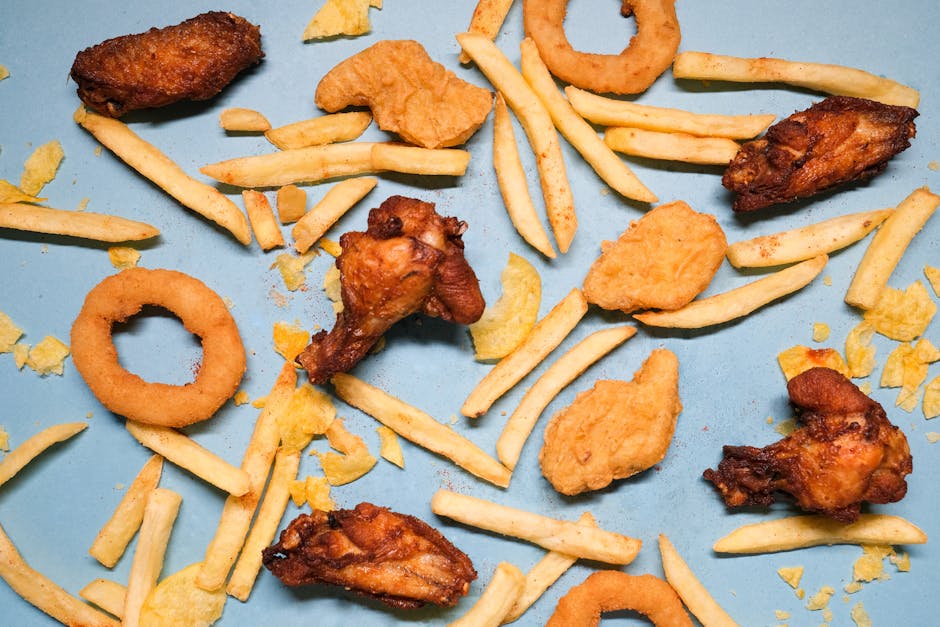
That crispy fried chicken or those golden French fries might be calling your name, but resist the urge! Foods high in fat are notoriously difficult for your body to digest, especially when your system is already compromised. They linger in the stomach longer, which can lead to bloating, nausea, and indigestion. It’s like asking a tired engine to tow a heavy load up a steep hill.
- What to Eat Instead: Lean on baked, boiled, or steamed options. A baked potato, steamed fish, or a simple chicken noodle soup can provide sustenance without the heavy fat content.
3. High-Fiber Foods (Temporarily)
Now, before you gasp, let’s be clear: fiber is generally fantastic for your digestive health! But when your stomach is upset, particularly with diarrhea, high-fiber foods – especially insoluble fiber found in whole grains, raw vegetables, and nuts – can sometimes exacerbate the problem. They add bulk and speed up bowel movements, which is the last thing you need when you’re already running to the bathroom. It’s like trying to calm a chaotic crowd by adding more people.
- What to Eat Instead: Focus on low-fiber, easily digestible foods. The “BRAT” diet (Bananas, Rice, Applesauce, Toast) is a classic for a reason. These foods are gentle, binding, and provide some energy without overworking your gut. Cooked, peeled vegetables like carrots or zucchini are also good choices.
4. Dairy Products (Especially Full-Fat)
For many people, dairy can be a source of discomfort even on a good day, but when your stomach is upset, it can be particularly troublesome. The lactose in dairy can be difficult to digest, and a temporary lactose intolerance can even develop during periods of digestive distress. This can lead to gas, bloating, and diarrhea. Think of it as your digestive system temporarily losing its ability to process milk sugar effectively.
- What to Eat Instead: If you love dairy, try lactose-free milk or small amounts of plain, unsweetened yogurt with live cultures (probiotics can sometimes help, but introduce slowly). Otherwise, opt for plant-based milks like almond or oat milk, or simply stick to water and clear broths.
5. Caffeine and Alcohol
Your morning coffee might be a ritual, and a glass of wine might seem like a way to relax, but both caffeine and alcohol are irritants to the digestive system. Caffeine can stimulate bowel movements and increase stomach acid production, while alcohol is a direct irritant to the stomach lining, often leading to dehydration and increased nausea. It’s like trying to calm a wound by pouring salt on it.
- What to Eat Instead: Hydration is key! Stick to water, clear broths, and soothing herbal teas like ginger or peppermint (if they don’t aggravate your specific symptoms).
6. Acidic Foods
Citrus fruits like oranges and grapefruits, tomatoes, and tomato-based sauces are wonderfully healthy, but their high acidity can be a nightmare for an upset stomach. They can trigger heartburn, reflux, and general irritation of an already sensitive stomach lining. Imagine cleaning a delicate surface with a harsh chemical – it’s too much for your stomach to handle right now.
- What to Eat Instead: Reach for less acidic fruits like bananas, melons, or applesauce. These are much gentler and provide natural sugars and nutrients without the acid burn.
7. Artificial Sweeteners and Sugar Alcohols
Found in many “diet” or “sugar-free” products, artificial sweeteners (like aspartame, sucralose) and sugar alcohols (like sorbitol, xylitol, erythritol) can be digestive disruptors. They are often poorly absorbed in the gut, leading to gas, bloating, and diarrhea. Your body struggles to process them, leading to an unwanted fermentation party in your intestines.
- What to Eat Instead: If you need a touch of sweetness, a tiny bit of honey or maple syrup might be okay, but generally, it’s best to avoid added sugars altogether when your stomach is upset. Focus on the natural sweetness in bland fruits like bananas.
8. Highly Processed Foods and Sugary Snacks
Think cookies, cakes, candy bars, and highly refined cereals. These foods are often low in nutrients, high in refined sugars, and sometimes contain unhealthy fats and artificial ingredients. They can cause blood sugar spikes and crashes, and the simple sugars can feed “bad” bacteria in the gut, potentially worsening gas and discomfort. It’s like trying to fuel a finely tuned machine with low-quality, dirty fuel.
- What to Eat Instead: Stick to whole, unprocessed foods that are easy to digest. Plain toast (white bread for now), rice cakes, or plain crackers can offer some substance without the digestive burden.
Key Takeaways for a Soothed Stomach
- Listen to Your Body: Everyone is different. What bothers one person might not bother another. Pay attention to how different foods make you feel.
- Bland is Best: When in doubt, go bland. Simple, unseasoned foods are your best friends.
- Hydration, Hydration, Hydration: Water, clear broths, and electrolyte solutions are crucial, especially if you’re experiencing vomiting or diarrhea.
- Small, Frequent Meals: Instead of three large meals, try eating smaller portions more frequently throughout the day to avoid overwhelming your digestive system.
- Introduce Foods Slowly: As you start to feel better, gradually reintroduce a wider variety of foods, one at a time, to see how your stomach reacts.
FAQ: Your Upset Stomach Questions Answered
Q1: Is the BRAT diet (Bananas, Rice, Applesauce, Toast) really effective for an upset stomach?
A: Yes, the BRAT diet is often recommended because these foods are bland, low in fiber, and easy to digest. They can help bind stool, reduce nausea, and provide some essential nutrients and electrolytes without irritating the stomach further. It’s a good starting point for acute upset stomachs, but it’s important not to stick to it for too long, as it lacks a full range of nutrients.
Q2: How long should I avoid these foods for?
A: The duration depends on the cause and severity of your upset stomach. For a mild, short-term upset, you might only need to avoid them for 24-48 hours. If your symptoms are persistent or severe, continue avoiding them until you feel significantly better, and then reintroduce them slowly. Always consult a doctor if symptoms don’t improve or worsen.
Q3: Can probiotics help an upset stomach?
A: Probiotics, which are beneficial bacteria, can sometimes help restore balance to your gut flora, especially after an upset stomach caused by infection or antibiotics. However, it’s best to introduce them gently and see how you react. Plain, unsweetened yogurt with live active cultures or a probiotic supplement might be helpful for some, but always listen to your body and consult a healthcare professional.
Q4: When should I see a doctor for an upset stomach?
A: While most upset stomachs resolve on their own, you should seek medical attention if you experience severe pain, high fever, bloody or black stools, persistent vomiting or diarrhea (especially if leading to dehydration), or if symptoms don’t improve after a few days of self-care. It’s always better to be safe than sorry!
Navigating an upset stomach can feel like walking a tightrope, but with the right knowledge, you can make informed choices that lead to quicker recovery and greater comfort. Remember, your body is incredibly resilient, and by giving it the gentle care it needs during these times, you’ll be back to enjoying your favorite foods in no time. Be kind to your gut, and it will be kind to you!
Written with love and assistance and refined for quality.
{“@context”:”https://schema.org”,”@type”:”Article”,”headline”:”8 Foods To Avoid With an Upset Stomach and What To Eat Instead: Your Guide to Feeling Better”,”description”:”In this article, weu2019ll explore: 8 Foods To Avoid With an Upset Stomachand What To Eat Instead and why it…”,”author”:{“@type”:”Person”,”name”:”rahuljait”},”datePublished”:”2026-05-10T11:13:14+00:00″,”dateModified”:”2026-05-10T11:13:14+00:00″,”mainEntityOfPage”:”https://healthyworldz.com/8-foods-to-avoid-with-an-upset-stomach-and-what-to-eat-instead-your-guide-to-feeling-better/”,”image”:[“https://healthyworldz.com/wp-content/uploads/2026/05/8-foods-to-avoid-with-an-upset-stomachand-what-to-eat-instead-14.jpg”]}
🔗 Related: Women with polycystic ovary syndrome exhibit…
🔗 Related: Hormonal mechanisms of womens risk in…
🔗 Related: 8 Foods To Avoid With an…