In this article, we’ll explore: Research Shows This Supplement Can Help Build Lean Muscle And Improve Brain Health and why it matters today.
Related:
👉 Why Is Getting Pregnant Harder with PCOS? New Science Explains the "Sticky" Problem in the Uterine Lining
👉 The "Smart" Muscle Builder: Why This One Supplement Is a Game-Changer for Your Body and Brain
👉 Why Estrogen Might Be Your Brain’s Secret Weapon Against Stress and Memory Loss
Learn more: Research Shows This Supplement Can Help Build Lean Muscle And Improve Brain Health on Google Search
Imagine if there was a single tool in your kit that could help you lift heavier weights at the gym, look better in the mirror, and—wait for it—actually help you think more clearly during a stressful workday. It sounds like the plot of a sci-fi movie, right? Like that “Limitless” pill, but without the scary side effects and the shady characters chasing you down the street.
For decades, we’ve been told that the world of physical fitness and the world of mental performance were two separate things. You went to the gym for your body, and you read books or did crosswords for your brain. But recent breakthroughs are turning that idea on its head. Research shows this supplement can help build lean muscle and improve brain health, and it’s probably the most studied, safest, and most affordable option on the market today.
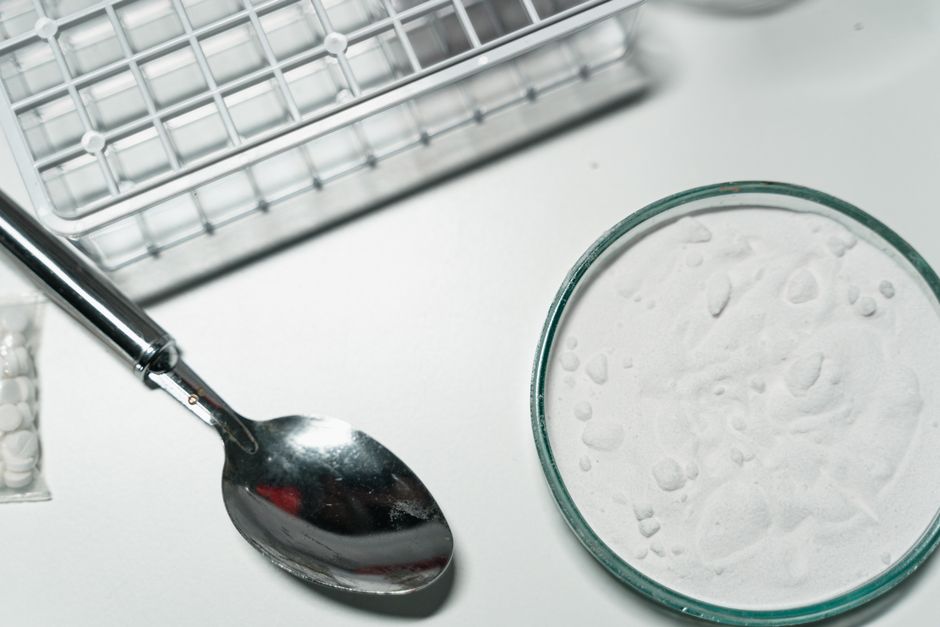
We’re talking about Creatine. And no, it’s not just for “gym bros” with gallon jugs of water and neon-colored tank tops. It’s for everyone from busy grandmothers to high-level executives. Let’s dive into why this humble white powder is becoming the ultimate “body and brain” hack.
What Is This “Miracle” Supplement, Anyway?
Before we get into the heavy science, let’s clear the air. Creatine is not a steroid. It’s not a laboratory chemical designed to trick your muscles. It is a naturally occurring compound found in small amounts in foods like red meat and fish. Your body even produces it naturally in your liver and kidneys.
Think of Creatine as a backup battery for your cells. Its main job is to help produce energy—specifically a molecule called ATP (Adenosine Triphosphate). When you’re doing something high-intensity, like sprinting for a bus or lifting a heavy grocery bag, your body burns through ATP fast. Creatine steps in to “recharge” those batteries so you can keep going longer.
While we’ve known about its muscle-building benefits since the 1990s, the real excitement lately is about what it does for the three-pound organ sitting between your ears.
The Physical Side: Building the Body You Want
If you’ve ever stepped foot in a gym, you’ve likely heard someone mention Creatine. There is a reason it is the gold standard for athletes. Research shows this supplement can help build lean muscle and improve brain health by significantly increasing your capacity for work.
1. More Reps, More Growth
Creatine allows you to perform just a little bit better in each workout. Maybe it’s one extra rep on your bench press, or five more seconds on your sprint. Over weeks and months, those “tiny” gains add up to massive changes in muscle size and strength. It’s the “compound interest” of the fitness world.
2. Faster Recovery
Nothing kills a fitness routine faster than being too sore to move. Creatine has been shown to reduce cell damage and inflammation after a hard workout. This means you spend less time groaning when you sit down on the couch and more time feeling ready for your next session.
3. The “Full” Look
Creatine draws water into your muscle cells. This isn’t the “bloating” you get from eating too much salt; it’s intracellular hydration. It makes your muscles look fuller and firmer almost immediately, which provides a nice psychological boost when you look in the mirror.
The Brain Side: The New Frontier of Cognitive Health
This is where things get really interesting. Your brain is an energy hog. Even though it only makes up about 2% of your body weight, it consumes about 20% of your total energy. Just like your muscles, your brain relies on ATP to function.
When you are sleep-deprived, stressed, or working on a complex problem, your brain’s energy levels dip. This is where the magic happens. By supplementing, you’re essentially giving your brain a larger “fuel tank.”
Memory and Reasoning
Recent studies have shown that people taking Creatine performed better on short-term memory tests and intelligence tasks. One famous study on vegetarians (who often have lower natural creatine levels because they don’t eat meat) showed a massive jump in cognitive performance after they started supplementing.
Fighting Mental Fatigue
Have you ever hit that 3:00 PM wall at work where you can’t even decide what to have for dinner, let alone finish a report? That’s mental fatigue. Research suggests that Creatine can help maintain brain performance during times of high mental load or even after a night of poor sleep.
Neuroprotection
There is emerging evidence that Creatine might play a role in protecting the brain from age-related decline. While more research is needed, scientists are looking at how it might help with conditions like Parkinson’s and Alzheimer’s by supporting the energy health of neurons.
Real-World Example: Meet Sarah and Mike
To see how this works in real life, let’s look at two different people.
Sarah is a 45-year-old mother of two who works as a freelance graphic designer. She felt “foggy” most mornings and struggled to find the energy to go for her evening runs. She started taking 5 grams of Creatine daily. Within a month, she noticed she wasn’t reaching for a third cup of coffee at noon, and her “legs felt lighter” during her jogs. She wasn’t trying to become a bodybuilder; she just wanted her life back.
Mike is a 62-year-old retiree. He was worried about losing muscle mass as he aged (a condition called sarcopenia) and noticed he was becoming more forgetful. By adding Creatine to his routine along with light resistance training, Mike was able to maintain his strength and felt “sharper” during his weekly bridge games.
These aren’t “miracle” stories—they are the result of giving the body the cellular energy it needs to thrive.
Common Myths Debunked
Despite the overwhelming evidence that research shows this supplement can help build lean muscle and improve brain health, some myths just won’t die. Let’s set the record straight:
- “It’s bad for your kidneys.” – This is based on a misunderstanding of how blood tests work. For healthy individuals, hundreds of studies have shown that Creatine has no negative impact on kidney function.
- “It makes you lose your hair.” – One single, small study years ago suggested a link to a hormone called DHT, but dozens of follow-up studies have failed to replicate it. There is no solid evidence that Creatine causes hair loss.
- “It’s only for men.” – Women actually have naturally lower creatine stores than men and may benefit *even more* from it, especially regarding mood and bone health during menopause.
How to Start (The Simple Way)
You don’t need fancy “buffered” versions or expensive liquids. The most researched and effective form is Creatine Monohydrate. It’s cheap, it’s tasteless, and it works.
The Dosage
Most experts recommend a simple dose of 3 to 5 grams per day. You don’t need to “load” it (taking huge amounts for a week), although that can make it work a few days faster. Just take one scoop a day, every day, at any time that is convenient for you.
The Consistency
Creatine isn’t like caffeine; you don’t feel it 20 minutes later. It works by building up in your system over time. Consistency is the key. Mix it in your morning coffee, your post-workout shake, or just a glass of water.
Key Takeaways
- Dual Benefit: It’s one of the few supplements that targets both physical strength and mental clarity.
- Safety First: It is one of the most tested supplements in history with an incredible safety profile.
- Energy Support: It works by replenishing ATP, the primary energy currency of your cells.
- Accessible: Creatine Monohydrate is inexpensive and widely available.
- For Everyone: It benefits athletes, aging adults, and busy professionals alike.
Frequently Asked Questions (FAQ)
Is Creatine safe to take every day?
Yes. Research has followed individuals taking Creatine for up to five years with no adverse health effects. In fact, many researchers believe it should be considered an “essential” supplement for general health as we age.
Does it matter when I take it?
Not really. Some studies suggest taking it after a workout might be slightly better for muscle growth, but the most important factor is simply taking it consistently every day.
Do I need to cycle off Creatine?
No. There is no evidence that your body “gets used to it” or stops producing its own creatine. You can take it indefinitely without needing a break.
Will it make me look bulky?
Only if you are lifting very heavy weights and eating a massive amount of calories. For most people, it simply makes their muscles look slightly more toned and helps them perform better in their chosen activity.
Can I get enough from food?
It’s difficult. You would have to eat roughly 2-3 pounds of raw steak per day to get the 5 grams of creatine found in one small scoop of powder. Supplementation is much more practical (and cheaper!).
Final Thoughts
In a world full of “health hacks” that don’t actually work, Creatine stands out as a rare exception. It is backed by decades of science, it’s affordable, and it addresses the two things we all want more of: a strong body and a sharp mind.
Whether you want to hit a new personal best in the gym or just want to stay focused during a long afternoon of meetings, research shows this supplement can help build lean muscle and improve brain health. It might just be the simplest upgrade you ever make to your daily routine.
Written with love and assistance and refined for quality.
🔗 Related: Women with polycystic ovary syndrome exhibit…
🔗 Related: Estrogen levels in both the male…
🔗 Related: Research Shows This Supplement Can Help…