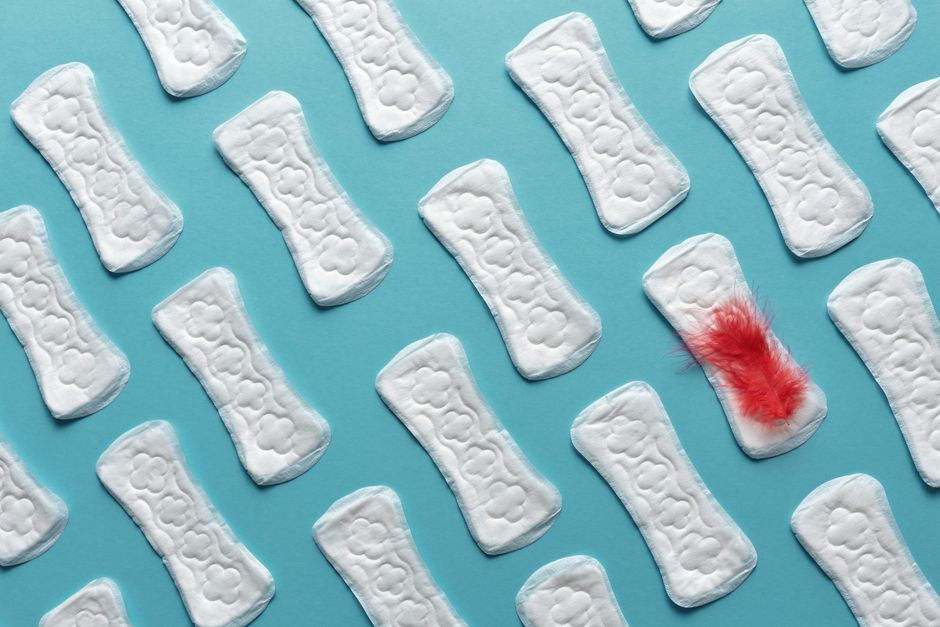
In this article, we’ll explore: Period poverty: A global menstrual health crisis and why it matters today.
Related:
👉 It’s Time We Admitted It: For Millions of Women, PCOS Was Never Just About the Ovaries
👉 Period Poverty: A Global Menstrual Health Crisis We Can No Longer Ignore
👉 Why For Millions of Women PCOS Was Never Just About the Ovaries
Learn more: Period poverty: A global menstrual health crisis on Investopedia
Imagine for a moment that you are a teenage girl named Maya living in a small village. Every month, Maya faces a week of anxiety. It’s not because of a difficult exam or a social disagreement. It’s because her period is coming, and she has nothing to manage it with. She doesn’t have pads, tampons, or even a clean bathroom with running water. To avoid the embarrassment of a visible stain, Maya stays home from school, missing five days of education every single month. By the end of the year, she has fallen so far behind her male peers that she eventually drops out entirely.
This isn’t just a hypothetical story. For millions of women, girls, and people who menstruate, this is a daily reality. This is the face of period poverty: a global menstrual health crisis that affects health, education, and human dignity.
In this post, we’re going to dive deep into what period poverty actually looks like, why it’s happening in both wealthy and developing nations, and what we can do to fix it. This isn’t just a “women’s issue”—it’s a human rights issue that affects the economy, public health, and the future of our global society.
What Exactly is Period Poverty?
When most people hear the term “period poverty,” they think it just means not being able to afford pads or tampons. While that is a huge part of it, the crisis is much broader. Period poverty is the lack of access to menstrual products, hygiene facilities, waste management, and education.
To truly understand the scope of the problem, we have to look at its three main pillars:
- Lack of Supplies: The inability to afford or access safe sanitary products like pads, tampons, menstrual cups, or period underwear.
- Lack of Infrastructure: No access to clean water, private toilets, or a way to discretely dispose of used products.
- Lack of Education: A lack of knowledge about how the body works, leading to fear, shame, and dangerous hygiene practices.
When these three things collide, it creates a cycle of poverty that is incredibly hard to break. Without products, you can’t go to work or school. Without education, you don’t understand that menstruation is a normal biological process, leading to deep-seated psychological trauma.
The Hidden Crisis in Wealthy Nations
It is a common misconception that period poverty only happens in developing countries. However, even in the United States, the United Kingdom, and Canada, the struggle is very real. In these “wealthy” nations, the crisis is often hidden behind closed doors because of the intense social stigma surrounding menstruation.
In the U.S., for example, many low-income individuals have to choose between buying a box of tampons or buying a gallon of milk. Since menstrual products are rarely covered by government assistance programs like SNAP or WIC, they become a luxury item that many simply cannot afford. A study found that nearly two-thirds of low-income women in a major U.S. city couldn’t afford menstrual products at least once in the previous year.
The “Tampon Tax”
To make matters worse, many regions still categorize menstrual products as “luxury items” rather than “necessities.” This means they are subject to sales tax, while items like Viagra or certain snacks are exempt. This “Tampon Tax” is a systemic barrier that makes a biological necessity more expensive for the people who need it most.
The Global Impact: Education and the Economy
When we look at period poverty: a global menstrual health crisis, the impact on education is perhaps the most devastating. In sub-Saharan Africa, the World Bank estimates that one in ten girls misses school during their period. In India, research shows that nearly 23% of girls drop out of school permanently after they reach puberty.
Think about the long-term economic consequences of that. When a girl drops out of school, her lifetime earning potential plummets. She is more likely to marry young and live in poverty. By failing to provide a simple $5 pack of pads, society loses out on the intellectual and economic contributions of millions of women.
A Real-World Example: The Story of Amara
In a rural community in Kenya, a young woman named Amara used to use pieces of old mattress stuffing and dried leaves during her period because she couldn’t afford pads. This led to a severe reproductive tract infection that left her bedridden for weeks. Not only did she miss school, but her family had to spend their meager savings on medical bills. This is how period poverty keeps families trapped in a cycle of debt and poor health.
The Health Risks You Might Not Know About
Period poverty isn’t just uncomfortable; it’s dangerous. When people don’t have access to clean products, they are forced to improvise. People have reported using:
- Old rags or clothing
- Newspapers
- Sawdust
- Leaves or husks
- Used pads that have been “washed” and reused
These improvised materials can lead to serious health issues, including yeast infections, bacterial vaginosis, and more severe urinary tract infections. In extreme cases, using unsterile materials or leaving a single tampon in for too long (to “save” money) can lead to Toxic Shock Syndrome (TSS), which can be fatal.
The Wall of Silence: Stigma and Taboo
Why has it taken so long for the world to recognize period poverty as a crisis? The answer is simple: shame. In many cultures, menstruation is seen as “dirty” or “impure.” In some parts of the world, women are forbidden from cooking, entering religious spaces, or even touching others while they are on their period.
This culture of silence prevents people from speaking up about their needs. If you are taught that your period is a shameful secret, you aren’t going to stand up in a community meeting and ask for better toilets or free pads. Breaking the stigma is the first and most important step in ending period poverty.
Signs of Progress: The World is Waking Up
While the situation is dire, there is hope. Over the last decade, we have seen a massive shift in how governments and organizations approach menstrual health. Here are a few examples of progress:
1. Scotland Leading the Way
In 2020, Scotland became the first country in the world to make period products free for everyone. They recognized that menstrual products are as essential as toilet paper and soap, and should be provided in public buildings, schools, and universities.
2. New Zealand and Schools
New Zealand followed suit by providing free period products in all schools nationwide. The goal was simple: to ensure that no student ever has to miss a day of learning because of their period.
3. Grassroots Movements
From “Period Parties” where people pack dignity kits for shelters to NGOs like Period.org and Days for Girls, everyday people are stepping up. These organizations distribute reusable pads and menstrual cups, which are more sustainable and cost-effective for people in remote areas.
How You Can Help End Period Poverty
You don’t have to be a politician to make a difference. Here are a few ways you can help tackle period poverty: a global menstrual health crisis:
- Donate Products: Local food banks and homeless shelters are always in desperate need of pads and tampons. Next time you go shopping, pick up an extra box to donate.
- Support Policy Changes: Vote for and support leaders who advocate for removing the Tampon Tax and providing free products in schools.
- Talk About It: The more we talk about periods, the less power the stigma has. Normalize the conversation with your friends, family, and colleagues.
- Support Sustainable Brands: Many companies now have a “buy one, give one” model where they donate products to those in need for every purchase you make.
Key Takeaways
- Period poverty is a lack of access to products, education, and proper sanitation.
- It is a global issue, affecting people in both high-income and low-income countries.
- The crisis leads to significant educational gaps, with girls missing or dropping out of school.
- Improvised menstrual materials cause serious health risks, including infections.
- Stigma and “period shame” are the biggest barriers to solving the problem.
- Progress is being made through government policy and grassroots activism.
Frequently Asked Questions
What is the main cause of period poverty?
The main causes are financial hardship, the high cost of menstrual products, and a lack of government support or infrastructure. Social stigma also plays a role by preventing people from seeking help.
How does period poverty affect mental health?
It can lead to intense feelings of shame, anxiety, and isolation. The fear of leaking in public or being “found out” can cause significant psychological distress and lower self-esteem.
Are reusable products a solution to period poverty?
Yes, products like menstrual cups and washable cloth pads can be excellent solutions, especially in areas with limited waste management. However, they require access to clean water for boiling and washing, which is not always available.
Is period poverty only about women?
No. While it primarily affects women and girls, it also affects transgender men and non-binary individuals who menstruate. These groups often face even greater barriers to accessing safe products and bathrooms.
Why should men care about period poverty?
Because period poverty is a societal issue. When half the population is held back from education and work, the entire economy suffers. Furthermore, men are fathers, brothers, and partners who should care about the health and dignity of their loved ones.
Ending period poverty: a global menstrual health crisis won’t happen overnight. It requires a fundamental shift in how we view menstruation—not as a “private problem,” but as a public health priority. By providing the tools and education people need, we can ensure that a natural biological process never stands in the way of someone’s dreams again.
Written with love and assistance and refined for quality.
🔗 Related: Estrogen levels in both the male…
🔗 Related: Research Shows This Supplement Can Help…