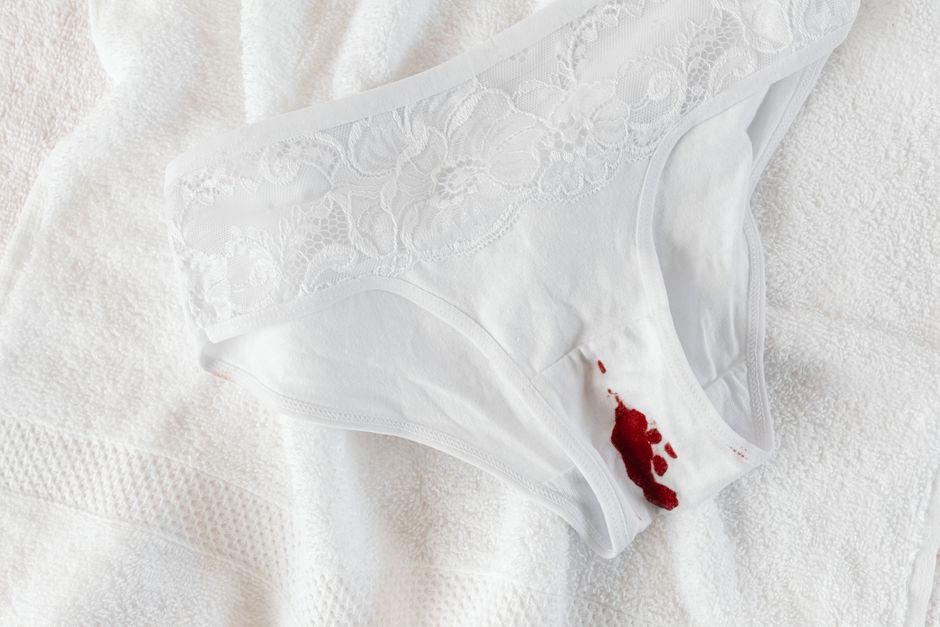
In this article, we’ll explore: Period poverty: A global menstrual health crisis and why it matters today.
Related:
👉 The One Supplement That Might Be the Missing Piece for Your Body and Your Brain
👉 Why We Need to Talk About Period Poverty: A Global Menstrual Health Crisis
👉 PCOS and the "Unfriendly" Uterus: How New Science Explains Why Conception Can Be Difficult
Learn more: Period poverty: A global menstrual health crisis on Wikipedia
Imagine for a moment that you are a fourteen-year-old girl named Amara living in a small village. Every month, like clockwork, your body does something completely natural. But instead of this being a normal part of growing up, it feels like a recurring nightmare. You don’t have access to pads or tampons. You don’t have a private bathroom with clean water. Because you’re afraid of leaking through your clothes and being teased, you stay home from school for five days every single month. By the end of the year, you’ve missed nearly two months of education. Eventually, you fall so far behind that you drop out entirely.
This isn’t a plot from a movie; it is the lived reality for millions. When we talk about period poverty: a global menstrual health crisis, we aren’t just talking about a lack of products. We are talking about a systemic failure that strips women, girls, and people who menstruate of their dignity, their health, and their future.
What Exactly is Period Poverty?
At its simplest, period poverty is the struggle to afford or access menstrual products. But if we dig a little deeper, it’s much more than that. It is a multi-layered issue that includes:
- Lack of physical supplies: Not being able to buy pads, tampons, menstrual cups, or reusable liners.
- Inadequate infrastructure: Not having access to private toilets, clean water, or soap to wash oneself.
- Lack of education: Not understanding how menstruation works or how to manage it safely.
- Stigma and shame: Cultural taboos that make people feel “dirty” or “impure” during their cycle.
When these factors collide, they create a barrier that prevents people from participating fully in society. It is a fundamental human rights issue that affects health, education, and economic stability.
The Global Reach: It’s Not Just “Somewhere Else”
One of the biggest misconceptions about period poverty is that it only happens in developing nations. While the challenges are often more severe in low-income regions, this is a truly global crisis that exists in every corner of the world.
The Reality in Developing Nations
In many parts of Sub-Saharan Africa and South Asia, the lack of infrastructure is the biggest hurdle. In some communities, girls are forced to use old rags, dried leaves, grass, or even ash to manage their flow. These methods are not only uncomfortable but incredibly dangerous, often leading to severe reproductive and urinary tract infections.
The Hidden Crisis in Wealthy Nations
In the United States, the United Kingdom, and across Europe, period poverty looks different but is just as damaging. Here, the issue is primarily financial. In the U.S., one in four teens has struggled to afford period products. Many low-income individuals have to choose between buying a box of tampons or buying a gallon of milk. Because menstrual products are often taxed as “luxury items” (the infamous “Pink Tax”) and are rarely covered by food stamps or welfare programs, they remain out of reach for the most vulnerable.
Real-World Examples: The Human Face of the Crisis
To understand the gravity of period poverty: a global menstrual health crisis, we have to look at the stories behind the statistics.
Example 1: The Student in London
Chloe, a high school student in East London, used to wrap toilet paper around her underwear because her mother couldn’t afford pads after the rent was paid. She lived in constant fear that the toilet paper would slip out while she was walking to class. The anxiety became so bad that she started skipping her “heavy days” entirely. This is a story happening in one of the richest cities in the world.
Example 2: The Factory Worker in Bangladesh
In many garment factories, women work long hours with limited breaks. Without access to high-quality pads, many use “jhuta” (leftover fabric scraps from the factory floor). These scraps are often treated with chemicals and dyes that cause chemical burns and infections. Because there is no place to dispose of products or wash up, these women often work in pain and silence to avoid losing their daily wages.
The Dangerous Ripple Effects
Period poverty doesn’t just end when the bleeding stops. The consequences ripple out into every area of a person’s life.
1. The Education Gap
When girls miss school every month, their grades suffer. They miss out on key concepts, fall behind in exams, and are more likely to drop out. This keeps them trapped in a cycle of poverty. Education is the most powerful tool for breaking that cycle, but menstruation shouldn’t be the lock on the door.
2. Severe Health Risks
Using unhygienic alternatives like rags or newspapers can lead to bacterial vaginosis, yeast infections, and even Toxic Shock Syndrome (TSS). Furthermore, the lack of clean water makes it impossible to maintain the hygiene necessary to stay healthy during a cycle.
3. Mental Health and Dignity
The psychological toll is immense. The constant fear of “leaking” or “smelling” creates a sense of shame. In some cultures, menstruating individuals are banished to “period huts” or forbidden from touching food or family members. This isolation breeds a sense of worthlessness that can last a lifetime.
Why is This Still a Problem?
You might be wondering: It’s 2024. Why haven’t we fixed this yet? The answer lies in a combination of economics and deep-seated cultural taboos.
The “Pink Tax” and Economic Barriers
In many places, menstrual products are still taxed as non-essential goods. While items like Viagra or certain snacks are tax-exempt, pads and tampons are treated as luxuries. When you combine this with the gender pay gap, you see why many women find themselves in a financial bind every month.
The Wall of Silence
For centuries, menstruation has been treated as a “women’s secret” or something gross that shouldn’t be discussed in polite company. This silence means that policymakers—who have historically been men—simply didn’t think about it. If you don’t talk about a problem, you can’t fund a solution.
How We Can Break the Cycle
The good news is that the world is finally waking up. We are seeing a global movement to end period poverty, and there are several ways we are making progress:
- Policy Changes: Countries like Scotland have made history by becoming the first to make period products free for everyone. Other nations are following suit by removing the “Pink Tax.”
- School Programs: Providing free pads and tampons in school bathrooms ensures that no student has to choose between their education and their dignity.
- Sustainable Solutions: Organizations are distributing menstrual cups and reusable pads, which are more cost-effective and environmentally friendly in the long run.
- Normalizing the Conversation: The more we talk about periods openly—without whispering or using euphemisms—the more we break down the stigma that fuels this crisis.
Key Takeaways
- It’s a Global Issue: Period poverty affects people in both low-income and high-income countries.
- It’s More Than Products: It includes access to clean water, private toilets, and accurate health education.
- The Impact is Massive: It leads to school dropouts, health complications, and significant mental health struggles.
- Solutions Exist: Through policy change, better infrastructure, and open conversation, we can end this crisis.
Final Thoughts
Addressing period poverty: a global menstrual health crisis is not just about “charity.” It is about equity. It is about ensuring that half the population isn’t held back by a natural biological process. When people have the tools they need to manage their periods safely and with dignity, they can stay in school, participate in the workforce, and lead healthier lives. It’s time we stop whispering about periods and start taking action to ensure that no one is left behind because of a monthly cycle.
Frequently Asked Questions
What is the main cause of period poverty?
The main causes are a combination of high costs of menstrual products, lack of access to clean water and private sanitation, and cultural stigmas that prevent people from seeking help or education.
How does period poverty affect education?
Many students skip school during their periods because they lack products or fear embarrassment. Over time, these absences lead to falling grades and a higher likelihood of dropping out of school entirely.
Is period poverty only a problem in developing countries?
No. It is a significant issue in developed nations like the US and UK, where low-income individuals often cannot afford the high cost of pads and tampons due to lack of government assistance and high taxes on these products.
What can I do to help end period poverty?
You can donate products to local shelters, support organizations like Period.org or ActionAid, and advocate for policies that remove taxes on menstrual products or provide them for free in schools and public buildings.
What are the health risks of period poverty?
Using dirty rags, newspapers, or keeping products in for too long can lead to serious infections, including urinary tract infections (UTIs), yeast infections, and in extreme cases, life-threatening Toxic Shock Syndrome.
Written with love and assistance and refined for quality.
🔗 Related: Research Shows This Supplement Can Help…
🔗 Related: BcozSheMatters: WHO Health Ministry roll out…
🔗 Related: For millions of women PCOS was…