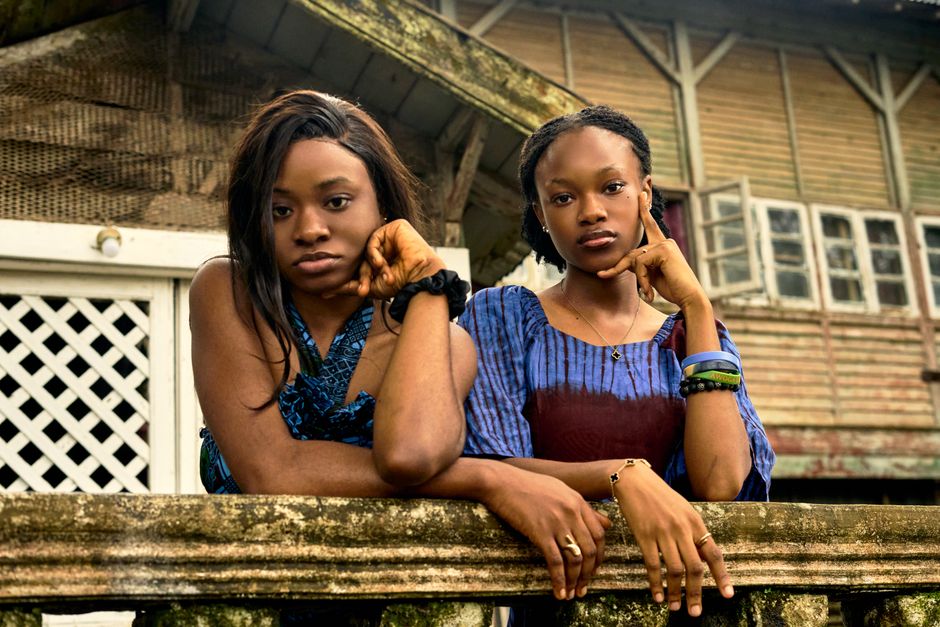
In this article, we’ll explore: BcozSheMatters: WHO Health Ministry roll out campaign on women and girls health and well-being and why it matters today.
Related:
👉 Period Poverty: A Global Menstrual Health Crisis We Can No Longer Ignore
👉 The Silent Struggle: Understanding Perineal Muscle Strength and Bladder Control for Young Mothers in Mangaluru
👉 The Silent Risk: Navigating the Perfect Storm for Bone Loss in Women During Menopause and GLP-1 Use
Learn more: BcozSheMatters: WHO Health Ministry roll out campaign on women and girls health and well-being on Wikipedia
Imagine a woman named Sarah. She lives in a bustling city, balances a demanding 9-to-5 job, manages a household, and ensures her kids never miss a soccer practice. To everyone around her, she is a superhero. But inside, Sarah is exhausted. She has been ignoring a persistent pain in her lower abdomen for months. She tells herself she’ll see a doctor “when things quiet down.” But in a woman’s life, things rarely quiet down.
Sarah’s story isn’t unique. Millions of women and girls across the globe put their health on the back burner to care for others. Recognizing this systemic gap, the BcozSheMatters: WHO Health Ministry roll out campaign on women and girls health and well-being has been launched to shift the narrative from sacrifice to self-care.
This isn’t just another government initiative with a fancy acronym. It is a movement designed to dismantle the barriers that prevent women from accessing quality healthcare. From rural villages to urban centers, this campaign is about saying, “Your health isn’t a luxury; it’s a priority.”
What is the BcozSheMatters Campaign All About?
The core philosophy of the BcozSheMatters initiative is simple: when a woman is healthy, her entire community thrives. The World Health Organization (WHO), in partnership with the Ministry of Health, has designed this campaign to address the specific biological, social, and economic factors that affect female health.
For too long, “women’s health” was used as a synonym for “maternal health.” While pregnancy and childbirth are vital, they are only one part of a woman’s life. The BcozSheMatters campaign expands this scope to include everything from adolescent nutrition and menstrual hygiene to menopause and geriatric care. It looks at the woman as a whole person, not just a vessel for the next generation.
The Four Pillars of the Initiative
To make a real impact, the campaign focuses on four critical areas that have historically been neglected:
- Preventative Screening: Making screenings for cervical cancer, breast cancer, and hypertension accessible and stigma-free.
- Nutritional Security: Addressing anemia and malnutrition in adolescent girls to break the cycle of poor health before it starts.
- Mental Well-being: Creating safe spaces for women to discuss postpartum depression, anxiety, and the mental load of caregiving.
- Reproductive Rights and Hygiene: Ensuring every girl has access to clean sanitary products and accurate information about her body.
Why Now? The Reality of the Health Gap
You might wonder why such a massive campaign is necessary in 2024. The truth is, the “health gap” is still a wide chasm. Statistics show that women are more likely to be misdiagnosed for heart disease because their symptoms differ from men’s. They are also more likely to live in “health poverty,” where they lack the financial independence to seek treatment without a family member’s permission.
The BcozSheMatters: WHO Health Ministry roll out campaign on women and girls health and well-being arrives at a time when the world is still reeling from the pandemic’s aftershocks, which disproportionately affected women’s access to routine check-ups. This campaign is the “reset button” we desperately needed.
Breaking the Silence on Menstrual Health
In many parts of the world, a girl’s first period is a source of shame rather than a milestone of growth. I remember talking to a young girl named Maya from a small village. She told me she used to stay home from school five days every month because she didn’t have pads and was terrified of “the stain.”
The BcozSheMatters campaign is tackling this head-on. By installing sanitary napkin dispensers in schools and conducting “period-positive” workshops, the initiative ensures that Maya—and millions like her—never have to choose between their education and their dignity.
Maternal Health: Moving Beyond Survival
We often celebrate when a mother survives childbirth, but the campaign asks: is “survival” enough? We should be aiming for “thriving.” This means providing high-quality prenatal care, mental health support during the “fourth trimester,” and ensuring that no woman is forced back into heavy labor days after giving birth.
Real-World Impact: Stories from the Ground
In a rural district where the campaign was piloted, the local health clinic saw a 40% increase in women coming in for routine blood pressure checks. Why? Because the campaign didn’t just put up posters; it hired “Health Ambassadors”—local women who went door-to-door to talk to their neighbors over tea.
One ambassador, Mrs. Gupta, shared a story of a grandmother who hadn’t seen a doctor in twenty years. “She thought her bone pain was just ‘part of being old,'” Mrs. Gupta said. “Through the campaign, we diagnosed her with severe osteoporosis and got her treatment. Now, she can walk to the temple again. She told me she felt like she had been given her life back.”
This is the human face of BcozSheMatters: WHO Health Ministry roll out campaign on women and girls health and well-being. It’s not about data points; it’s about grandmothers walking, girls staying in school, and mothers breathing a little easier.
The Role of Men and Boys in the Movement
A common misconception is that a campaign for women and girls is only for women and girls. On the contrary, the WHO and Health Ministry have emphasized the role of men. For a woman to prioritize her health, the men in her life—husbands, fathers, and brothers—must support her.
When men understand the importance of maternal nutrition or cervical cancer screening, they become allies in the household. The campaign includes community “Chai Chats” where men are encouraged to ask questions and learn how they can help ensure the women in their lives stay healthy.
The Digital Frontier: Health at Your Fingertips
In today’s world, a campaign is only as strong as its digital reach. The BcozSheMatters initiative includes a mobile app that allows women to track their cycles, book appointments at government clinics, and chat with a virtual health assistant. For a busy woman in the city or a student in a dorm, this removes the “friction” of seeking help.
The app also features a “SOS” button for mental health crises, connecting users directly with counselors. In an era where digital health is the future, this campaign is making sure women aren’t left behind in the analog past.
Key Takeaways from the BcozSheMatters Campaign
- Holistic Approach: It covers the entire lifespan of a woman, from puberty to old age.
- Accessibility: Focuses on making healthcare free or affordable at the point of service.
- Education: Aims to eradicate myths surrounding menstruation and menopause.
- Community-Led: Utilizes local ambassadors to build trust and encourage participation.
- Policy Change: It’s not just a “fluff” campaign; it involves actual budget allocations for women’s health infrastructure.
How You Can Get Involved
You don’t have to be a doctor or a government official to support this cause. Here is how you can help the spirit of BcozSheMatters grow:
1. Talk about it: Share information about screenings and health myths on your social media.
2. Support the women in your life: If you’re a partner or a friend, offer to watch the kids or handle chores so the woman in your life can go for her check-up.
3. Educate yourself: Learn the signs of common health issues like PCOS, endometriosis, or postpartum anxiety.
Final Thoughts: A Future Where She Matters
The BcozSheMatters: WHO Health Ministry roll out campaign on women and girls health and well-being is more than just a tagline. It is a promise. It’s a promise to Sarah that she doesn’t have to wait for things to “quiet down” to take care of herself. It’s a promise to Maya that her period won’t stop her from becoming a doctor. And it’s a promise to every woman that her well-being is the foundation of a healthy world.
As we move forward, let’s remember that investing in a woman’s health is the highest-yield investment a society can make. Because when she matters, we all win.
Frequently Asked Questions (FAQ)
1. What is the main goal of the BcozSheMatters campaign?
The main goal is to improve the overall health and well-being of women and girls by providing better access to healthcare, reducing maternal mortality, improving nutrition, and breaking the stigma around mental and menstrual health.
2. Is this campaign only for women in rural areas?
No. While it has a strong focus on underserved rural communities, the campaign is nationwide and addresses issues faced by urban women as well, such as lifestyle diseases, stress, and reproductive health access.
3. How can I find a BcozSheMatters screening center?
You can visit the official Ministry of Health website or download the campaign’s mobile app to find a list of participating government hospitals and community health centers near you.
4. Does the campaign cover mental health?
Yes, mental health is a primary pillar. The initiative provides resources for postpartum depression, anxiety, and stress management, often through community support groups and digital counseling services.
5. Why is the WHO involved in a national campaign?
The WHO provides technical expertise, global health standards, and funding support to ensure the campaign follows international best practices and achieves measurable results.
Written with love and assistance and refined for quality.
🔗 Related: Research Shows This Supplement Can Help…
🔗 Related: A perfect storm for bone loss…
🔗 Related: Perineal muscle strength as a predictor…