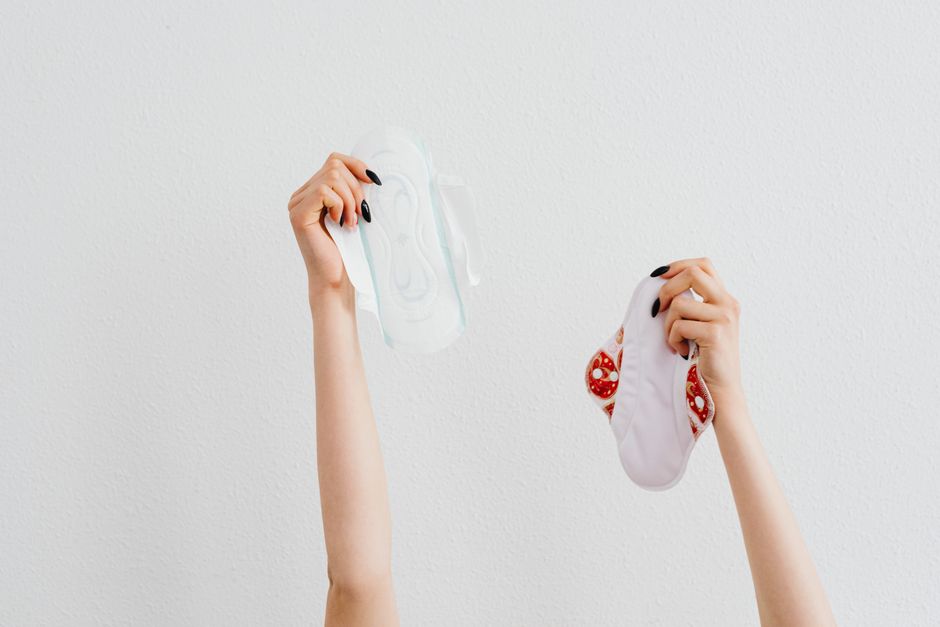
In this article, we’ll explore: Period poverty: A global menstrual health crisis and why it matters today.
Related:
👉 Genelia D’Souza Opens Up About Menopause Shaming: Why She’s Feeling Much Cooler at 40
👉 BcozSheMatters: Why the New WHO and Health Ministry Campaign is a Game-Changer for Women’s Health
👉 Period Poverty: A Global Menstrual Health Crisis We Can No Longer Ignore
Learn more: Period poverty: A global menstrual health crisis on Investopedia
Imagine for a moment that you are a teenage girl living in a small village or even a busy city. One morning, you wake up and realize your period has started. But instead of reaching for a box of pads or a tampon, you realize there are none in the house. You ask your parents, but they tell you the money they have must go toward flour and oil for dinner. You can’t go to school because you’re afraid of leaking through your clothes and being teased. So, you stay home. You miss a week of classes. You use an old rag, a piece of newspaper, or even dried leaves to manage the flow.
This isn’t a scene from a history book. This is the daily reality for millions of people. This is period poverty: a global menstrual health crisis that affects dignity, education, and health in every corner of the map.
In this post, we’re going to dive deep into what period poverty really looks like, why it’s happening, and what we can actually do to fix it. It’s a conversation that has been kept in the dark for too long, and it’s time to bring it into the light.
What Exactly is Period Poverty?
When we hear the word “poverty,” we usually think about a lack of food, clean water, or a roof over someone’s head. Period poverty is a specific branch of that struggle. It refers to the lack of access to sanitary products, menstrual hygiene education, toilets, water-washing facilities, and waste management.
But it’s more than just a lack of supplies. It’s also about the “shame” factor. Because menstruation is often treated as a taboo subject, those who can’t afford products often feel they have to suffer in silence. This combination of financial struggle and social stigma creates a cycle that is incredibly hard to break.
It’s Not Just a “Developing World” Problem
One of the biggest misconceptions is that period poverty only happens in low-income countries. While the challenges are often more severe in those areas, the crisis is very much alive in wealthy nations like the United States, the UK, and Canada.
In the U.S., for example, many low-income individuals have to choose between buying a box of tampons or buying a gallon of milk. Since menstrual products aren’t always covered by government assistance programs like SNAP (food stamps), they become a luxury item that many simply cannot afford.
The Hidden Costs of Period Poverty
The impact of period poverty ripples out far beyond just the few days a month someone is menstruating. It affects every aspect of a person’s life.
1. The Education Gap
When students don’t have access to pads or tampons, they stay home. Research shows that in some parts of Sub-Saharan Africa and India, one in ten girls misses school during her period. Over time, these missed days add up. A girl might miss 20% of her school year just because of a natural biological process. This leads to higher dropout rates, which in turn limits her future earning potential and keeps the cycle of poverty spinning.
2. Serious Health Risks
When people can’t afford safe products, they get creative—but in a dangerous way. Using dirty rags, old socks, sand, or even ash can lead to severe reproductive and urinary tract infections. In some cases, these infections can lead to long-term health complications or even infertility. Without clean water and private spaces to wash, the risk of infection skyrockets.
3. Mental Health and Dignity
There is a massive psychological toll that comes with period poverty. Imagine the anxiety of constantly checking your clothes for stains or the embarrassment of having to ask a stranger for a pad because you can’t buy one. This leads to a loss of confidence and a feeling of being “less than.” No one should feel ashamed of how their body works.
Real-World Examples: The Crisis in Action
To understand the scale of period poverty: a global menstrual health crisis, we need to look at how it manifests in different environments.
- In Kenya: For many years, the high cost of pads meant that some schoolgirls were forced into “transactional sex” just to afford a pack of sanitary towels. This heartbreaking reality highlights how desperate the situation can become when basic needs aren’t met.
- In the United Kingdom: A study by Plan International UK found that 1 in 10 girls had been unable to afford sanitary products. Many reported using toilet paper or newspapers because they couldn’t ask their parents for money.
- In India: Cultural taboos often mean that menstruating people are considered “impure.” They may be barred from kitchens or temples, and the lack of private toilets in rural schools remains one of the primary reasons girls drop out after hitting puberty.
The Barrier of Stigma and Taboo
Why has it taken so long for the world to address this? The answer is simple: Stigma. For centuries, menstruation has been whispered about, hidden, or treated as something “gross.”
When we don’t talk about periods, we don’t talk about the problems associated with them. If a lawmaker is too embarrassed to say the word “period,” they aren’t going to write legislation to make pads tax-free. If a father doesn’t understand how menstruation works, he might not realize why his daughter is missing school. Breaking the silence is the first step toward breaking the poverty.
The “Pink Tax”
In many places, menstrual products are taxed as “luxury items” rather than “essential necessities.” Meanwhile, items like Viagra or certain snacks are often exempt from these taxes. This is frequently referred to as the “Pink Tax,” and it places an unfair financial burden on people who menstruate simply because of their biology.
How Can We Solve the Crisis?
The good news is that the tide is starting to turn. Governments, non-profits, and individuals are finally standing up and demanding change. Here is how we can move the needle:
Policy Changes and Legislation
Scotland made history in 2020 by becoming the first country in the world to make period products free for everyone. This was a landmark moment. Other countries are following suit by removing the “tampon tax” or requiring schools and prisons to provide free products. When governments recognize period products as a basic human right, the entire landscape changes.
Improving Infrastructure
We need more than just pads; we need “period-friendly” infrastructure. This means schools and workplaces must have clean, private toilets with running water and a way to discreetly dispose of used products. Without these, even the best products don’t solve the whole problem.
Education for All
Menstrual health education shouldn’t just be for girls. Boys and men need to understand it too. When everyone understands that a period is a normal, healthy sign of a functioning body, the stigma begins to fade. Education also helps young people understand how to manage their cycles safely and healthily.
Supporting Sustainable Options
While disposable pads and tampons are the most common, they create a lot of waste. In areas where waste management is poor, reusable options like menstrual cups or period underwear can be a game-changer. They require an upfront investment but can last for years, making them a cost-effective and eco-friendly solution to period poverty.
Key Takeaways
- Period poverty: a global menstrual health crisis is a lack of access to products, education, and sanitation.
- It affects millions of people in both developing and developed nations.
- The consequences include missed school, health infections, and severe mental distress.
- Stigma and the “Pink Tax” are major barriers to solving the problem.
- Solutions include free product legislation, better school infrastructure, and global education.
What Can You Do to Help?
You don’t have to be a politician to make a difference. Here are a few ways you can help fight period poverty today:
First, donate products to your local food bank or homeless shelter. These are often the most requested but least donated items. Second, talk about it! Use the words “period” and “menstruation” naturally. The more we normalize the conversation, the less power the stigma has. Finally, support organizations like Period.org or Days for Girls, which work on the ground to provide supplies and education to those in need.
Frequently Asked Questions
What is the main cause of period poverty?
The main causes are financial hardship (not being able to afford products), lack of education about menstrual health, and inadequate water and sanitation facilities. Cultural taboos also play a huge role by preventing people from seeking help.
Who does period poverty affect the most?
It most heavily affects low-income individuals, students, homeless people, and those living in rural areas with limited access to stores or clean water. Transgender men and non-binary people also face unique challenges in accessing safe and private facilities.
Is period poverty getting better?
Yes, awareness is at an all-time high. Many countries have started removing taxes on menstrual products, and more schools are providing them for free. However, there is still a long way to go, especially in rural and extremely impoverished areas.
How does period poverty affect the economy?
When people miss school or work because of their periods, it leads to a loss of productivity and limits their long-term economic contributions. By solving period poverty, we empower more people to stay in the workforce and contribute to their communities.
Period poverty isn’t just a “women’s issue”—it’s a human rights issue. When we ensure that everyone has the tools they need to manage their bodies with dignity, we create a fairer, healthier, and more productive world for everyone. It’s time to end the silence and end the poverty.
Written with love and assistance and refined for quality.
🔗 Related: BcozSheMatters: WHO Health Ministry roll out…
🔗 Related: Research Shows This Supplement Can Help…