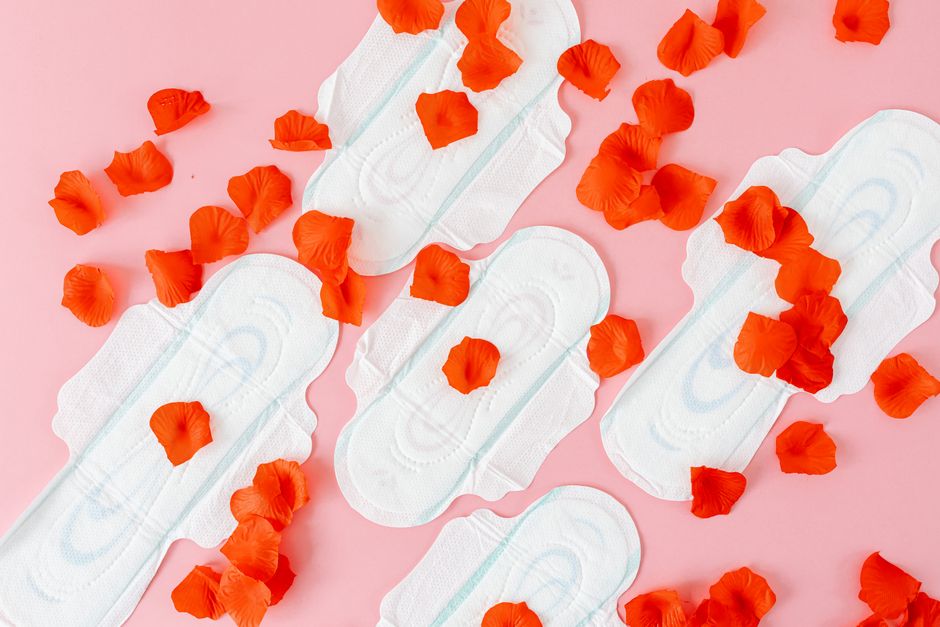
In this article, we’ll explore: Period poverty: A global menstrual health crisis and why it matters today.
Related:
👉 BcozSheMatters: Why the New WHO Health Ministry Campaign is a Game-Changer for Women and Girls Everywhere
👉 BcozSheMatters: Why the WHO Health Ministry Campaign is a Game-Changer for Women and Girls
👉 The Hidden Crisis: Why We Need to Talk About Period Poverty Now
Learn more: Period poverty: A global menstrual health crisis on Google Search
Imagine for a second that you are a teenage girl sitting in a classroom. You feel that familiar, dull ache in your lower back. You realize your period has started. But instead of reaching into your bag for a pad or asking a friend for a spare, you feel a wave of panic. Why? Because you don’t have any supplies. You can’t afford them, and your school doesn’t provide them.
You have two choices: use a piece of old, rough newspaper or a dirty rag you found in the wash, or pack up your books and walk home, missing the rest of your exams. This isn’t a scene from a movie; it is the daily reality for millions. This is the heart of period poverty: a global menstrual health crisis that affects dignity, education, and health every single day.
In this post, we are going to dive deep into what period poverty really looks like, why it’s happening in both wealthy and developing nations, and what we can actually do to fix it. It’s time to stop whispering about periods and start talking about human rights.
What Exactly Is Period Poverty?
When people hear the term “period poverty,” they often think it just means not being able to afford tampons or pads. While that is a huge part of it, the crisis is much broader. Period poverty is the lack of access to menstrual products, hygiene facilities, waste management, and education.
Think about it this way: to manage a period safely and with dignity, you need a “kit” of four things:
- Safe Products: Pads, tampons, cups, or reusable liners.
- Privacy: A bathroom with a door that locks.
- Clean Water: To wash your body and your hands.
- Knowledge: Understanding what is happening to your body so you aren’t terrified when you see blood for the first time.
When any of these are missing, we see the ripple effects of period poverty: a global menstrual health crisis. It’s not just a “women’s issue”—it’s a public health crisis that holds back entire economies.
The Hidden Cost of Being a Woman
Have you ever looked at the price of a box of pads and thought, “Wow, that’s expensive”? Now, imagine you are living on less than $2 a day. In many parts of the world, a single pack of sanitary pads can cost a day’s wages. When a family has to choose between buying a bag of rice to feed everyone or buying a box of tampons for one daughter, the rice wins every time.
But this isn’t just happening in far-off places. In the United States, one in four teens has struggled to afford period products. In the UK, data shows that many girls miss school because they simply cannot afford to manage their flow. This is a systemic failure, often made worse by the “Tampon Tax”—the practice of taxing menstrual products as “luxury items” while things like Viagra or golf club memberships are often tax-exempt.
Real-World Example: The Struggle in the US
Take Sarah, a community college student in Ohio. Sarah works two part-time jobs but still struggles to pay rent. During the weeks when her period arrives, she often has to “stretch” her supplies. She wears a single tampon for 12 hours or more, even though she knows the risk of Toxic Shock Syndrome (TSS). “It’s a choice between a bus pass to get to class or a box of pads,” she says. This is the face of period poverty in one of the wealthiest nations on earth.
Education: The First Casualty of Period Poverty
One of the most heartbreaking aspects of this crisis is how it impacts education. When girls can’t manage their periods, they stay home. Over months and years, these missed days add up. A girl might miss 20% of her school year just because of her biology.
In sub-Saharan Africa, the World Bank estimates that one in ten girls misses school during their menstrual cycle. Many eventually drop out altogether. When a girl drops out of school, she is more likely to enter an early marriage, experience complications during pregnancy, and have lower earning potential for the rest of her life. By solving period poverty, we aren’t just giving out pads; we are keeping girls in school and breaking the cycle of poverty.
The Stigma: Why We Are Afraid to Talk About It
Why has it taken so long for the world to recognize period poverty: a global menstrual health crisis? The answer is simple: Stigma.
In many cultures, menstruation is still seen as “dirty” or “shameful.” In some parts of Nepal, the practice of chhaupadi (though now illegal) still sees women banished to “period huts” during their cycles, where they are exposed to extreme cold and animal attacks. In other places, the stigma is quieter but just as damaging—like the way we hide a tampon in our sleeve on the way to the bathroom.
This silence prevents policy changes. If we are too embarrassed to say the word “period” in a legislative meeting, how can we expect lawmakers to fund free products in public bathrooms?
Example: Breaking the Silence in India
India has made massive strides recently, thanks to activists and even Bollywood movies like Padman. For years, only a small percentage of women in rural India used sanitary napkins. However, through local manufacturing and government-backed education programs, the conversation is shifting. When we normalize the conversation, the solutions follow.
Health Risks You Might Not Think About
Period poverty isn’t just uncomfortable; it’s dangerous. When people don’t have access to clean products, they get creative—but not in a good way. People have reported using:
- Rags and old clothing
- Dried leaves or husks
- Newspaper or cardboard
- Bread (yes, really)
- Used pads that have been “washed” in dirty water
These makeshift solutions lead to severe urinary tract infections (UTIs), fungal infections, and even reproductive health issues. Without clean water to wash, these infections can become chronic, leading to long-term health complications that further drain a family’s limited resources.
The Ripple Effect on the Economy
When women and girls are sidelined for one week every month, the economy feels it. If a woman working in a garment factory in Bangladesh has to stay home because there are no private toilets or pads, the factory loses productivity. If a teacher in Kenya misses work, her students lose out. Period poverty is an economic drain. Investing in menstrual health is literally an investment in the global GDP.
How the World is Fighting Back
The good news? The tide is turning. We are seeing a global movement to end period poverty once and for all. Here are a few ways the world is making progress:
1. Scotland: The Gold Standard
In 2020, Scotland became the first country in the world to make period products free for everyone. They recognized that these are not “luxury items”—they are essentials, just like toilet paper and soap. If you can get free toilet paper in a public stall, why shouldn’t you get a free pad?
2. Eliminating the Tampon Tax
Countries like Australia, Canada, and several US states have scrapped the tax on menstrual products. This makes them more affordable for everyone and sends a message that menstruation is a natural bodily function, not a taxable luxury.
3. Innovation in Sustainable Products
Companies are now creating low-cost, biodegradable pads made from banana fibers or bamboo. Reusable options like menstrual cups and period underwear are also becoming more popular, providing a one-time investment that can last for years.
What You Can Do to Help
You don’t have to be a billionaire or a politician to make a difference. Here is how you can help tackle period poverty: a global menstrual health crisis today:
- Donate to Period Banks: Just like food banks, many organizations collect pads and tampons to distribute to shelters and schools.
- Advocate for Change: Ask your workplace or local school board if they provide free products in their restrooms.
- Break the Stigma: Talk about periods openly. The more we normalize it, the easier it is to demand better resources.
- Support Ethical Brands: Buy from companies that have a “buy one, give one” model.
Key Takeaways
- Period poverty is a lack of access to products, education, and clean facilities.
- It affects millions of people in both high-income and low-income countries.
- The crisis leads to missed school, health risks, and economic loss.
- Stigma is the biggest barrier to solving the problem.
- Global progress is happening, led by countries like Scotland and activists worldwide.
Frequently Asked Questions
What is the main cause of period poverty?
The main causes are high costs of products, lack of education about menstrual health, and inadequate water and sanitation infrastructure. Cultural stigma also plays a massive role in preventing people from seeking help.
Does period poverty only happen in developing countries?
No. Period poverty is a global issue. Even in wealthy countries like the US and the UK, many people living below the poverty line struggle to afford basic menstrual supplies.
How does period poverty affect mental health?
It can lead to intense feelings of shame, anxiety, and isolation. The fear of “leaking” in public or being teased can cause significant psychological distress, especially in young students.
Are reusable products a solution?
They can be a great long-term solution, but they require access to clean water and soap for sterilization. In areas without clean water, reusable products can actually increase the risk of infection if not cleaned properly.
Is the “Tampon Tax” still a thing?
In many places, yes. While several countries and states have abolished it, many jurisdictions still categorize menstrual products as non-essential goods, subjecting them to standard sales tax.
Conclusion
Period poverty is a quiet crisis, but its impact is deafening. It keeps girls out of school, women out of the workforce, and maintains a cycle of shame that has no place in the 21st century. By recognizing period poverty: a global menstrual health crisis for what it is—a human rights issue—we can begin to build a world where a natural biological process never stands in the way of someone’s potential.
Let’s stop the silence. Let’s end the tax. Let’s provide the products. Because no one should have to choose between their dignity and their education.
Written with love and assistance and refined for quality.
🔗 Related: Health Rounds: Glucosamine used for joint…
🔗 Related: Perineal muscle strength as a predictor…