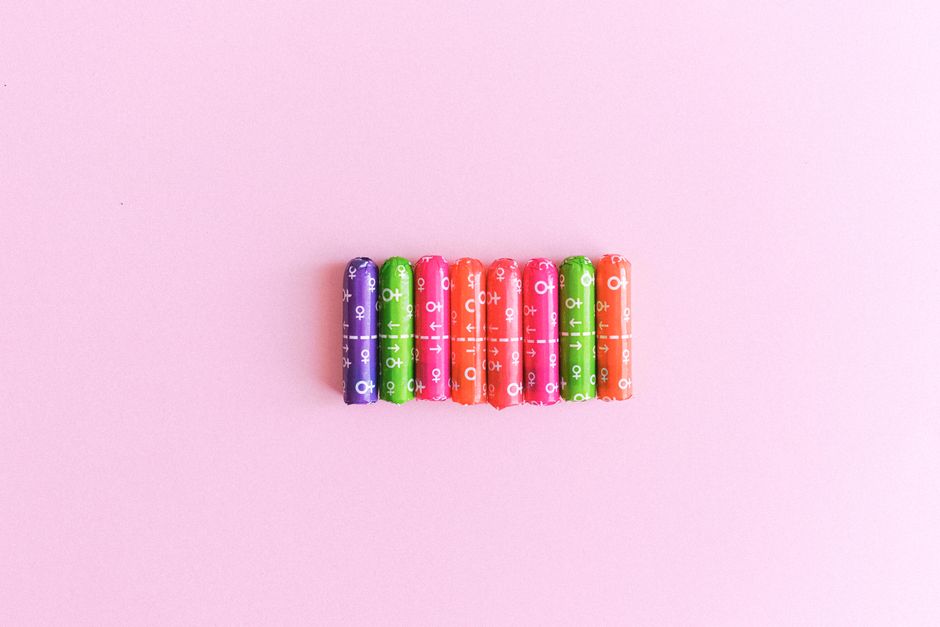
In this article, we’ll explore: Period poverty: A global menstrual health crisis and why it matters today.
Related:
👉 Taking Charge of Your Glow: A Real-Talk Guide to Women Health and Wellbeing
👉 The Ultimate Guide to Women’s Health: How to Feel Strong, Confident, and Energized at Every Stage of Life
👉 Why Genelia D’Souza Is Right: Why Being 40 Is Way Cooler Than We’re Told
Learn more: Period poverty: A global menstrual health crisis on Investopedia
Imagine for a second that you are a teenage girl living in a rural village or a crowded city suburb. Every month, like clockwork, your body does something completely natural. But instead of it being a simple biological process, it becomes a source of intense shame, fear, and physical pain. You don’t have pads. You don’t have tampons. You don’t even have a clean bathroom with running water.
To manage, you have to get “creative.” You use old rags, folded-up newspapers, dried leaves, or even pieces of mattress stuffing. These materials are uncomfortable, they leak, and they often cause painful infections. Because you’re terrified of a visible stain on your clothes, you stay home from school. You miss a week of classes every single month. Eventually, you fall so far behind that you just… stop going.
This isn’t a scene from a historical drama. This is the daily reality for millions of people across the globe. This is period poverty: a global menstrual health crisis that affects dignity, education, and health on a massive scale.
What Exactly is Period Poverty?
When we talk about period poverty, most people immediately think about the lack of pads or tampons. While that’s a huge part of it, the issue is much broader. Period poverty is the lack of access to sanitary products, menstrual hygiene education, toilets, handwashing facilities, and waste management.
It is a complex intersection of economic hardship and social stigma. If a family has to choose between buying a bag of rice or a box of pads, the food will win every single time. But the cost isn’t just financial; it’s a “pink tax” on the lives of women, girls, and people who menstruate, preventing them from reaching their full potential.
The Ripple Effect: Education and the Economy
One of the most heartbreaking aspects of period poverty is how it stunts the future of young girls. In many parts of Sub-Saharan Africa, India, and Southeast Asia, girls miss up to 20% of the school year because of their periods.
When a girl misses school, she misses out on more than just a lesson. She misses the chance to build a career, to lift herself out of poverty, and to contribute to her community’s economy. Studies show that for every year a girl stays in secondary school, her future wages increase significantly. By failing to address period poverty, we are essentially placing a ceiling on what half the population can achieve.
It’s not just a “developing world” problem, either. In the United States and the United Kingdom, one in ten girls has been unable to afford period products at some point. Students in wealthy nations often skip class or use makeshift materials because the school nurse’s office is out of supplies or they are too embarrassed to ask.
The Health Risks Nobody Talks About
When you don’t have access to safe, sterile products, you use whatever is at hand. The health consequences of this are severe. Using dirty rags or inorganic materials like sand or ash can lead to:
- Urogenital Infections: Bacteria from unhygienic materials can cause severe urinary tract infections (UTIs) and yeast infections.
- Reproductive Health Issues: Long-term infections can lead to pelvic inflammatory disease and, in extreme cases, infertility.
- Toxic Shock Syndrome (TSS): While rare, using a single tampon or makeshift product for too long because you can’t afford another one increases the risk of this life-threatening condition.
- Skin Irritation: Chafing and rashes from rough materials make daily movement painful.
Beyond the physical, there is the mental health toll. The constant anxiety about leaking, the “smell,” and the fear of being mocked creates a heavy psychological burden. It erodes self-esteem and makes people feel like their bodies are a problem to be hidden rather than a healthy part of being human.
Real-World Examples: The Fight for Change
While the situation is dire, there are incredible stories of progress happening right now. Let’s look at a few examples of how the world is starting to wake up to period poverty: a global menstrual health crisis.
Scotland: A World Leader
In 2020, Scotland made history by becoming the first country in the world to make period products free for everyone. The Period Products (Free Provision) Act ensures that local authorities and education providers must provide pads and tampons to anyone who needs them, free of charge. It was a landmark moment that recognized menstrual products as a basic necessity, not a luxury.
Kenya: Eliminating the “Pink Tax”
Kenya was one of the first countries to scrap the value-added tax (VAT) on sanitary pads and tampons. The government also launched programs to distribute free pads to schoolgirls in low-income areas. While distribution challenges remain, the policy shift sent a clear message: menstruation should not be a barrier to education.
The “Pad Man” of India
Arunachalam Muruganantham, often called the “Pad Man,” revolutionized menstrual hygiene in rural India. After seeing his wife use dirty rags, he realized that commercial pads were too expensive for the average villager. He invented a low-cost machine to produce sanitary napkins and empowered local women to run these machines, creating jobs and providing affordable products simultaneously.
Breaking the Taboo: It’s Not Just About Pads
We could give every person on earth a lifetime supply of pads, but if we don’t fix the culture of silence, the problem will persist. In many cultures, menstruation is still seen as “dirty” or “impure.” In some communities, menstruating people are forbidden from cooking, entering places of worship, or even sleeping in their own homes.
This stigma is the engine that drives period poverty. It prevents parents from talking to their daughters about what to expect. It prevents male policymakers from prioritizing menstrual health in national budgets. To end this crisis, we have to talk about periods openly—at the dinner table, in the classroom, and in the halls of government.
How Can We Solve This?
Ending period poverty requires a multi-pronged approach. There is no “silver bullet,” but here is what works:
- Policy Change: Governments must remove taxes on menstrual products and mandate free access in schools, shelters, and prisons.
- Infrastructure: We need to invest in clean water and private, safe toilets in schools and workplaces. A pad is useless if you have nowhere to change it privately.
- Education: Boys and men need to be included in the conversation. When they understand menstrual health, the stigma begins to dissolve.
- Sustainable Solutions: Promoting reusable products like menstrual cups or period underwear can be a game-changer for those in areas where waste management is poor or money is tight.
Key Takeaways
- Period poverty is a human rights issue: It’s not just a “women’s issue.” It affects health, education, and economic stability.
- It is a global problem: From the UK to Uganda, people struggle to afford basic menstrual supplies.
- The “Pink Tax” is real: Taxing menstrual products as “luxury items” makes them inaccessible to low-income individuals.
- Stigma is a major barrier: Cultural taboos prevent people from seeking help and keep the crisis hidden.
- Education is the cure: Keeping girls in school by providing products has a massive positive impact on global GDP.
Frequently Asked Questions
What is the main cause of period poverty?
The main cause is a combination of financial hardship (high cost of products) and a lack of infrastructure (clean water and toilets). This is compounded by cultural taboos that prevent open discussion and government action.
Does period poverty only happen in poor countries?
No. While it is more prevalent in developing nations, it is a significant issue in wealthy countries like the US, UK, and Canada, where low-income families and homeless individuals often cannot afford monthly supplies.
How does period poverty affect mental health?
It causes significant stress, anxiety, and shame. Many people feel isolated and embarrassed, which can lead to social withdrawal and a decrease in self-confidence.
Are reusable products a good solution?
Yes, products like menstrual cups and washable pads are cost-effective and eco-friendly. However, they require access to clean water for sterilization, which isn’t always available in every region.
How can I help end period poverty?
You can donate to charities that distribute products, advocate for period-friendly policies in your local schools or workplaces, and most importantly, talk about periods openly to help break the stigma.
The bottom line is this: menstruation is a sign of health, not a sign of shame. By addressing period poverty: a global menstrual health crisis, we aren’t just giving out pads—we are giving back dignity, education, and a fair shot at life to millions of people. It’s time we stop whispering about it and start doing something about it.
Written with love and assistance and refined for quality.
🔗 Related: Making sense of the widening gender…
🔗 Related: Perineal muscle strength as a predictor…
🔗 Related: Perineal muscle strength as a predictor…