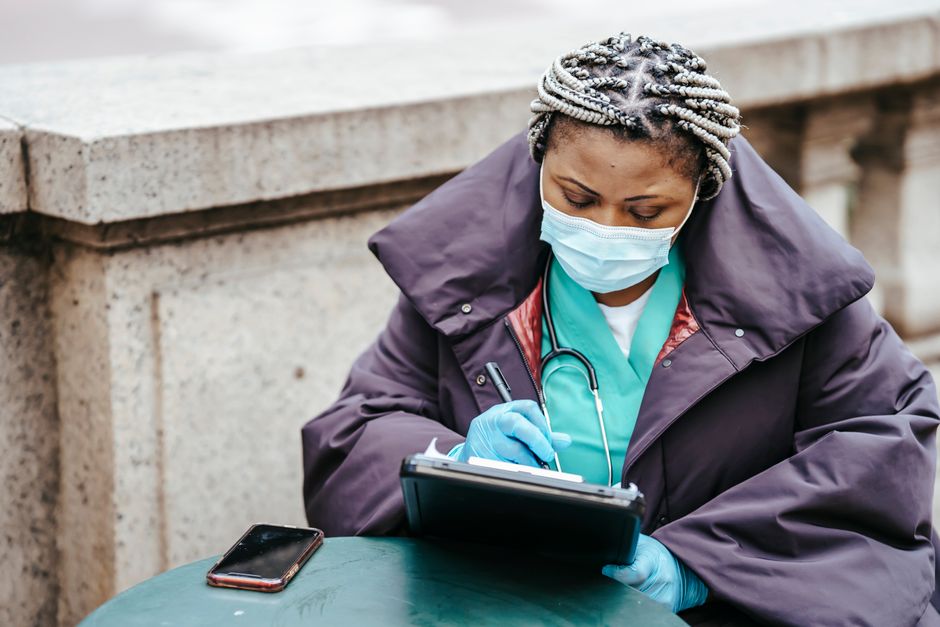
In this article, we’ll explore: BcozSheMatters: WHO Health Ministry roll out campaign on women and girls health and well-being and why it matters today.
Related:
👉 Period Poverty: A Global Menstrual Health Crisis We Can No Longer Ignore
👉 Genelia D'Souza Opens Up About Menopause Shaming: Why She’s Feeling "Much Cooler at 40"
👉 Is Your Joint Supplement Affecting Your Brain? Health Rounds: Glucosamine Used for Joint Pain Linked to Dementia Progression
Learn more: BcozSheMatters: WHO Health Ministry roll out campaign on women and girls health and well-being on Wikipedia
Have you ever noticed how the women in our lives—our mothers, sisters, daughters, and friends—are often the last ones to sit down at the dinner table? They are the primary caregivers, the emotional anchors, and the silent engines of our society. Yet, when it comes to their own health, they are frequently the last ones to seek help. They “tough it out,” they ignore the nagging pain, and they put everyone else’s needs above their own.
This is exactly why the latest global initiative has everyone talking. The BcozSheMatters: WHO Health Ministry roll out campaign on women and girls health and well-being is more than just a series of policy documents or posters on a clinic wall. It is a loud, clear, and much-needed declaration that a woman’s health is not a secondary concern—it is a global priority.
In this post, we’re going to dive deep into what this campaign actually means for the average woman, why it’s happening now, and how it aims to change the landscape of healthcare for generations to come.
What is the #BcozSheMatters Campaign All About?
At its core, the BcozSheMatters: WHO Health Ministry roll out campaign on women and girls health and well-being is a comprehensive framework designed to bridge the massive gaps in healthcare access. For decades, medical research and healthcare systems have often been “male-centric,” sometimes overlooking the specific biological, social, and psychological needs of women.
This campaign isn’t just about treating illnesses; it’s about “well-being” in the truest sense of the word. It covers everything from reproductive rights and maternal health to mental health, nutrition, and the prevention of non-communicable diseases like breast cancer and heart disease.
The WHO, in partnership with various Health Ministries, is focusing on three main goals:
- Awareness: Breaking the taboos around menstruation, menopause, and mental health.
- Accessibility: Ensuring that a girl in a remote village has the same access to a doctor as a woman in a major city.
- Affordability: Making sure that life-saving screenings and treatments don’t bankrupt a family.
The Story of Maria: Why We Need This Move
To understand the weight of this campaign, let’s look at a real-world scenario. Meet Maria, a 34-year-old mother of three living in a semi-urban area. Maria works a full-time job and manages her household. For six months, she felt a persistent fatigue and occasional dizziness. She chalked it up to “just being a busy mom.”
In Maria’s community, there was no culture of “preventive check-ups.” You only went to the doctor if you couldn’t get out of bed. By the time Maria finally collapsed and was taken to a clinic, she was diagnosed with severe anemia and early-stage hypertension—both of which were easily treatable if caught earlier.
The BcozSheMatters campaign is designed for the “Marias” of the world. It aims to create a culture where Maria feels empowered to visit a clinic before she collapses. It’s about moving from “sick care” to “well-being care.”
Breaking the Silence on Taboo Topics
One of the most refreshing aspects of this campaign is its willingness to talk about things that are usually whispered about. For too long, topics like menstrual hygiene and menopause have been shrouded in shame. This silence doesn’t just hurt feelings; it hurts health.
Menstrual Health is Human Health
In many parts of the world, girls still miss school because they don’t have access to sanitary products or clean toilets. This campaign pushes Health Ministries to integrate menstrual health into the primary education system. It’s not just about pads; it’s about dignity and keeping girls in school so they can grow into empowered women.
The Menopause Transition
Menopause is another area that has been largely ignored by mainstream healthcare. Many women suffer through hot flashes, anxiety, and bone density loss without knowing there are treatments available. The WHO initiative is training healthcare providers to recognize these symptoms and provide the necessary support, ensuring that women in their 40s and 50s continue to thrive.
The Invisible Burden: Prioritizing Mental Health
We cannot talk about well-being without talking about the mind. Women are statistically more likely to experience anxiety and depression, often due to the “double burden” of professional work and unpaid domestic labor. Add to that the complexities of postpartum depression, and you have a significant health crisis that often goes untreated.
The BcozSheMatters: WHO Health Ministry roll out campaign on women and girls health and well-being places a heavy emphasis on mental health integration. The goal is to make mental health screenings as routine as a blood pressure check. By normalizing these conversations, the campaign hopes to strip away the stigma that prevents women from saying, “I’m not okay, and I need help.”
Nutrition: The Foundation of Life
Nutrition is another pillar where the campaign is making big strides. From the iron needs of an adolescent girl to the calcium requirements of an aging grandmother, nutritional needs shift throughout a woman’s life. In many households, the culture of “the woman eats last” leads to chronic malnutrition, even in homes where food is available.
The campaign works with local health workers to educate families about the importance of maternal and female nutrition. When a woman is well-nourished, her children are healthier, her productivity increases, and the entire community benefits. It’s a ripple effect that starts with a single plate of balanced food.
How the Campaign is Being Implemented
You might be wondering, “This sounds great on paper, but how does it actually work?” The implementation is happening through a multi-layered approach:
- Mobile Health Clinics: Bringing screenings for cervical cancer and diabetes directly to rural neighborhoods.
- Digital Health Tools: Using SMS and apps to remind pregnant women of their prenatal appointments.
- Community Health Volunteers: Training local women to be “Health Ambassadors” who can talk to their neighbors in a way that is culturally sensitive and trusted.
- Policy Reform: Encouraging governments to allocate a specific percentage of their health budget exclusively to women’s health initiatives.
The Economic Impact: Why This Benefits Everyone
There’s a common misconception that investing in women’s health is “charity.” In reality, it’s one of the smartest economic moves a country can make. When women are healthy, they participate more fully in the workforce. When girls are healthy, they stay in school longer and earn higher wages later in life.
The WHO has often pointed out that for every dollar invested in women’s health, there is a multi-fold return in economic productivity. By rolling out the BcozSheMatters campaign, Health Ministries are essentially investing in the future stability of their national economies. It’s not just the right thing to do; it’s the smart thing to do.
Key Takeaways from the #BcozSheMatters Initiative
If you’re looking for the “too long; didn’t read” version, here are the most important points to remember about this campaign:
- Holistic Approach: It’s not just about physical health; it includes mental, social, and reproductive well-being.
- Life-Cycle Focus: The campaign supports females from infancy through old age, not just during their childbearing years.
- Empowerment: It aims to give women the knowledge and tools to take charge of their own health decisions.
- Global Collaboration: It represents a unified front between the WHO and national governments to fix broken healthcare systems.
How You Can Support the Movement
You don’t have to be a doctor or a politician to make a difference. The success of the BcozSheMatters: WHO Health Ministry roll out campaign on women and girls health and well-being depends on all of us.
Start by having conversations. Talk to the women in your family about their health. Encourage your friends to go for their annual screenings. Use the hashtag #BcozSheMatters on social media to share stories of resilience and health. When we lift the veil of silence, we pave the way for healing.
In the end, this campaign is a reminder that a healthy society is built on the foundation of healthy women. Because when she thrives, we all thrive. Because her health is non-negotiable. Because she matters.
Frequently Asked Questions (FAQ)
1. What is the main goal of the BcozSheMatters campaign?
The primary goal is to improve the overall health and well-being of women and girls globally by increasing access to healthcare, reducing maternal mortality, and addressing “silent” health issues like mental health and menopause.
2. Is this campaign only for developing countries?
No. While the challenges might differ, women in developed countries also face gaps in healthcare, such as high costs, lack of research on female-specific conditions, and mental health stigmas. This is a global initiative.
3. How does the campaign address maternal health?
It focuses on providing better prenatal and postnatal care, ensuring safe delivery environments, and educating mothers on nutrition and warning signs during and after pregnancy.
4. Does the campaign involve men?
Absolutely. Men are encouraged to be allies by supporting the health decisions of the women in their lives and helping to break down cultural barriers that prevent women from seeking care.
5. Where can I find more information about local events related to this?
You can visit the official WHO website or check with your local Ministry of Health for specific programs, clinics, and awareness drives happening in your region.
Written with love and assistance and refined for quality.
🔗 Related: Perineal muscle strength as a predictor…
🔗 Related: Research Shows This Supplement Can Help…