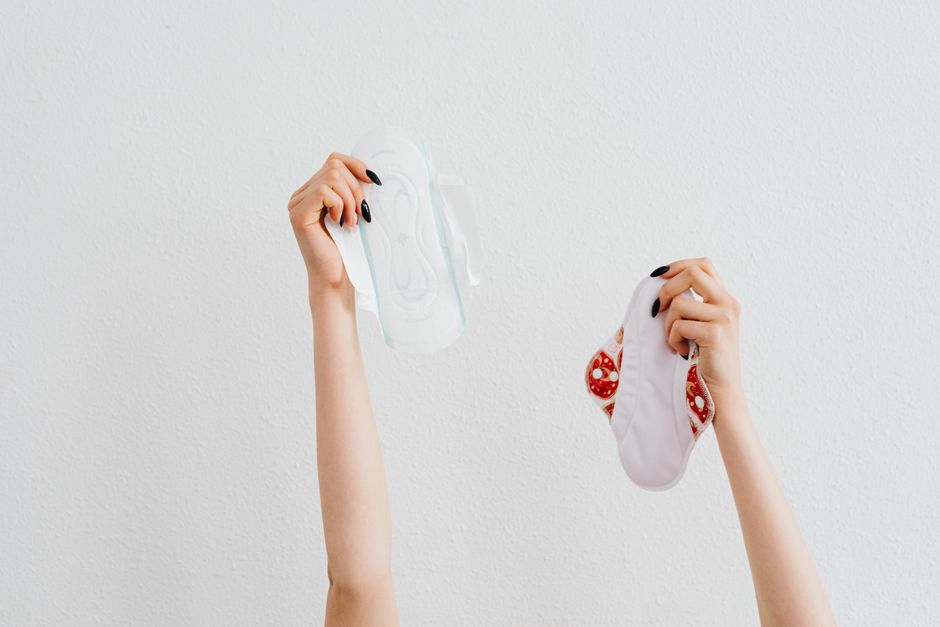
In this article, we’ll explore: Period poverty: A global menstrual health crisis and why it matters today.
Related:
👉 The Dual-Threat Supplement: How Creatine Builds Your Body and Sharpens Your Mind
👉 Why For Millions of Women PCOS Was Never Just About the Ovaries
👉 BcozSheMatters: How the New WHO and Health Ministry Campaign is Redefining Wellness for Women and Girls
Learn more: Period poverty: A global menstrual health crisis on Wikipedia
Imagine for a second that you are a teenage girl sitting in a classroom. You feel that familiar, dull ache in your lower back. You realize your period has started. But instead of reaching into your bag for a pad or a tampon, you realize you have nothing. You look at your backpack, then at your teacher, and a wave of panic sets in. You can’t ask for help because the topic is forbidden, and you can’t buy supplies because your family has to choose between buying bread or buying menstrual products.
For millions of people around the world, this isn’t a “what if” scenario. It is a monthly reality. This is the heart of period poverty: a global menstrual health crisis that affects dignity, education, and health on a massive scale.
In this post, we’re going to dive deep into what period poverty actually looks like, why it’s happening in both rich and poor countries, and what we can do to fix it. This isn’t just a “women’s issue”—it’s a human rights issue.
What Exactly Is Period Poverty?
When we hear the term “poverty,” we usually think of a lack of food or shelter. But period poverty is a specific type of struggle. It refers to the lack of access to menstrual products, hygiene facilities, and reproductive health education.
It’s not just about not having a pad. It’s about:
- Lack of supplies: Not being able to afford pads, tampons, menstrual cups, or liners.
- Lack of infrastructure: Not having a private, clean toilet with running water to wash yourself or change products.
- Lack of knowledge: Not understanding how the menstrual cycle works or how to manage it safely due to a lack of education.
- The Stigma: The shame and “taboo” that prevents people from talking about their needs.
When these factors collide, they create a cycle of disadvantage that is incredibly hard to break.
The Hidden Cost of Being a Woman
Let’s talk about the money. In many parts of the world, menstrual products are taxed as “luxury items” rather than essential necessities. This is often called the “Pink Tax.”
Think about that for a moment. Toilet paper is considered a necessity. In many places, Viagra is considered a necessity. But pads? In some countries, they are taxed at the same rate as jewelry or expensive electronics. For a family living on the edge of the poverty line, spending $7 to $10 a month on period products per person is simply not an option. If you have three daughters, that cost triples.
When people can’t afford safe products, they turn to alternatives. We’ve seen reports of people using old rags, newspapers, husks of corn, or even dried mud. These methods aren’t just uncomfortable; they are dangerous and can lead to severe reproductive and urinary tract infections.
The Ripple Effect: Education and Work
Period poverty doesn’t just stay in the bathroom; it follows people into their public lives. One of the most heartbreaking aspects of period poverty: a global menstrual health crisis is how it robs young people of their education.
Missing School
In Sub-Saharan Africa, the World Bank estimates that one in ten girls misses school during their menstrual cycle. Over the course of a school year, that adds up to about twenty percent of their education lost. When a girl misses that much school, she falls behind, her grades drop, and she is much more likely to drop out entirely. This fuels the cycle of poverty, making it harder for her to find a good job later in life.
The Workplace Struggle
It’s not just students. Low-wage workers in factories or fields often face “period shame.” If they don’t have the right products, they might stay home from work to avoid the embarrassment of leaking through their clothes. For someone living paycheck to paycheck, missing three to five days of work every month can mean the difference between paying rent and being evicted.
Real-World Examples: It’s Not Just “Somewhere Else”
One of the biggest misconceptions is that period poverty only happens in developing nations. That couldn’t be further from the truth. It is a global issue that looks different depending on where you are.
The United States
In the U.S., a study found that two-thirds of low-income women could not afford menstrual products at some point during the year. Many had to choose between food and pads. Even in one of the wealthiest countries on earth, students in high schools frequently skip class because the school nurse has run out of supplies or the school doesn’t provide them for free.
India
In rural India, the challenge is often a mix of cost and deep-rooted cultural taboos. In some communities, menstruating people are considered “impure” and are barred from entering the kitchen or temples. However, change is happening. Movements led by activists have pushed for better access to low-cost pads, and the story of “Padman” (Arunachalam Muruganantham) brought international attention to the need for local manufacturing of affordable supplies.
The United Kingdom
A few years ago, a charity called “Red Box Project” gained massive traction in the UK after reports surfaced that teachers were buying pads out of their own pockets for students who were using taped-up toilet paper. This public outcry eventually led to the UK government providing free period products in all state-funded schools and colleges.
The Power of Stigma and Silence
Why has it taken so long for the world to recognize this as a crisis? The answer is simple: shame.
For centuries, menstruation has been treated as a dirty secret. We hide tampons up our sleeves on the way to the bathroom. We use code words like “Aunt Flo” or “that time of the month.” When we don’t talk about periods openly, the problems associated with them stay hidden.
If a politician is embarrassed to say the word “period,” they are unlikely to pass a law that makes pads more accessible. If a father is too uncomfortable to talk to his daughter about her cycle, he might not realize she needs money for supplies. Breaking the silence is the first step toward breaking the poverty.
Signs of Progress: A Reason for Hope
While the situation is dire, the tide is starting to turn. We are seeing a global movement of activists, NGOs, and governments standing up to end period poverty.
- Scotland Leading the Way: In 2020, Scotland became the first country in the world to make period products free for everyone. They recognized that menstrual products are a basic necessity, just like soap and water in public restrooms.
- The Rise of Sustainable Options: Menstrual cups and reusable pads are becoming more popular. While the upfront cost is higher, they can last for years, providing a long-term solution for those who can’t afford monthly disposables.
- Education Programs: Organizations like UNICEF and various local charities are working to build “period-friendly” schools with private toilets and health education for both boys and girls.
How You Can Help Make a Difference
You don’t have to be a billionaire or a politician to help tackle period poverty: a global menstrual health crisis. Small actions can lead to big changes.
- Donate Products: Next time you’re at the grocery store, pick up an extra box of pads or tampons and drop them off at a local food bank or homeless shelter. These are often the most requested but least donated items.
- Support Policy Change: Look up whether your state or country still has a “Pink Tax.” Write to your local representatives and ask them to support legislation that makes menstrual products tax-free or provides them for free in schools.
- Talk About It: Normalize the conversation. The more we talk about menstrual health as a normal part of life, the less power the stigma has.
- Support Ethical Brands: Many companies now have a “buy one, give one” model where every purchase you make sends products to someone in need.
Key Takeaways
- Period poverty: a global menstrual health crisis affects over 500 million people worldwide.
- It is a combination of high costs, lack of clean facilities, and insufficient education.
- Period poverty leads to girls missing school and adults missing work, fueling a cycle of economic hardship.
- It is a global issue, affecting people in high-income countries like the US and UK as well as developing nations.
- Breaking the social stigma is essential to creating policy changes and providing better access to care.
Frequently Asked Questions
Is period poverty only about not having pads?
No. While lack of products is a huge part of it, it also includes lack of access to clean water, private toilets, and accurate health information. It’s about the entire environment needed to manage a period with dignity.
How does period poverty affect mental health?
The shame and anxiety of not being able to manage a period can lead to significant psychological distress. Many people report feeling “less than” or “dirty,” which can contribute to depression and social isolation.
Can men help in the fight against period poverty?
Absolutely. Men are often in positions of power as policy-makers, school principals, and fathers. By educating themselves and supporting the needs of menstruating people, they play a crucial role in dismantling the stigma and implementing solutions.
Are reusable products the best solution?
They can be a great solution, but they aren’t a “silver bullet.” Reusable products like cups or cloth pads require clean water and soap for boiling and washing. In areas where water is scarce, disposable products might actually be safer.
Final Thoughts
Menstruation is a natural, healthy biological process. It is the reason the human race exists. Yet, for millions, it is a source of shame and a barrier to a better life. Ending period poverty: a global menstrual health crisis isn’t just about handing out pads—it’s about restoring dignity and ensuring that no one is held back by a basic bodily function.
We have the resources to fix this. We have the technology. All we need is the collective will to stop whispering and start acting. Let’s make period poverty a thing of the past.
Written with love and assistance and refined for quality.
🔗 Related: Estrogen levels in both the male…