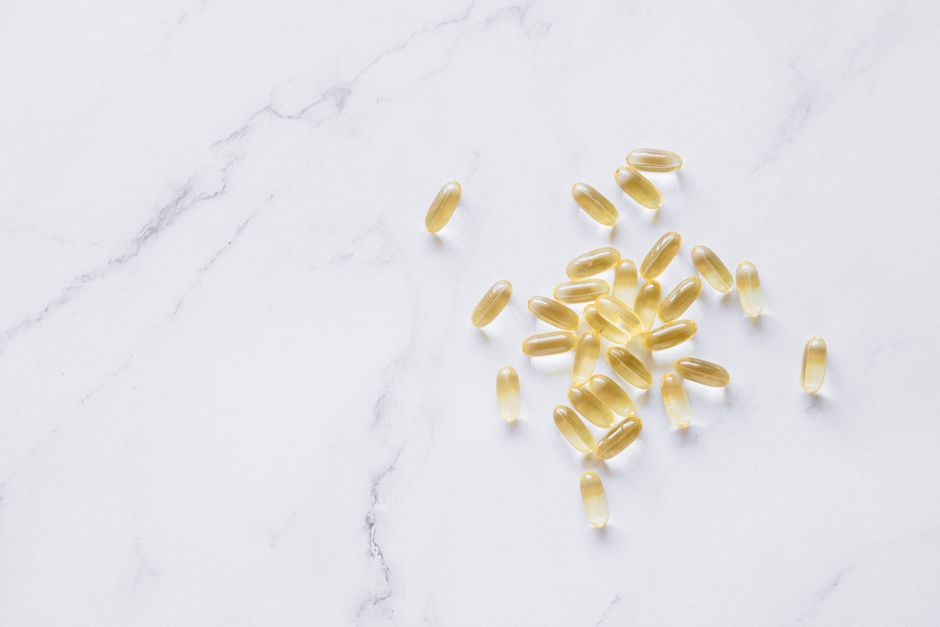
In this article, we’ll explore: Health Rounds: Glucosamine used for joint pain linked to dementia progression and why it matters today.
Related:
👉 BcozSheMatters: Why the WHO Health Ministry Campaign is a Game-Changer for Women and Girls
👉 Why Estrogen Might Be Your Brain’s Best Shield Against Stress-Induced Memory Loss
👉 Is Your Joint Supplement Affecting Your Brain? Health Rounds: Glucosamine Used for Joint Pain Linked to Dementia Progression
Learn more: Health Rounds: Glucosamine used for joint pain linked to dementia progression on Google Search
We’ve all been there—or we know someone who has. You wake up, and your knees give a little “crunch.” Your lower back feels like it’s made of rusted gears, and your knuckles ache when the weather changes. For millions of people, the go-to solution is a bottle of glucosamine. It’s been the gold standard of over-the-counter joint support for decades. It feels safe, it’s “natural,” and it’s available at every grocery store on the planet.
But a recent update in the medical world has sent a bit of a shockwave through the community. According to a recent report from Health Rounds: Glucosamine used for joint pain linked to dementia progression, there is a new and concerning connection that we need to talk about. For years, we thought this supplement was a “win-win,” but new data suggests that for some people, it might be a “win-lose” when it comes to brain health.
In this post, we’re going to break down exactly what this study says, why it matters to you or your loved ones, and how you can manage joint pain without potentially putting your cognitive health at risk.
The Story of Arthur: A Common Dilemma
To understand why this news is so impactful, let’s look at Arthur. Arthur is 72, loves gardening, and has been taking glucosamine for fifteen years. He swears by it. It keeps him mobile and allows him to play with his grandkids. However, Arthur’s family has a history of Alzheimer’s. When he heard the news about Health Rounds: Glucosamine used for joint pain linked to dementia progression, he felt stuck. Does he stop the supplement and live in pain, or keep taking it and risk his memory?
Arthur’s story is the story of millions. We often view supplements as “freebies”—pills that can only help and never hurt. But the human body is a complex web of chemistry. What helps the cartilage in your knee might be doing something very different to the receptors in your brain.
What Exactly Did the Study Find?
For a long time, the narrative around glucosamine was actually positive. Some earlier, smaller studies suggested it might reduce inflammation and actually protect the heart or even the brain. However, as we get better at tracking long-term data, a more nuanced picture is emerging.
The recent findings highlighted in Health Rounds suggest that in individuals who already show signs of cognitive decline or have a high genetic risk for dementia, glucosamine might actually speed up the progression of the disease. It’s not necessarily that the pill *causes* dementia out of thin air, but rather that it might act as an accelerant for a fire that is already starting to burn.
The “Sugar” Connection
Why would a joint pill affect the brain? One theory researchers are looking at involves how glucosamine mimics certain sugars in the body. Glucosamine is an amino sugar. While it helps build cartilage, it can also interfere with how the brain processes glucose (blood sugar). Since the brain is an energy-hungry organ that relies almost entirely on glucose to function, any interference in this metabolic pathway can lead to “brain fog” or, over time, more serious cognitive issues.
Is All Glucosamine Bad?
It is important to stay calm and look at the facts. Science is rarely “all or nothing.” The link discovered in the Health Rounds: Glucosamine used for joint pain linked to dementia progression report doesn’t mean that every person who takes a pill will lose their memory.
Who should be most cautious?
- Individuals with a family history: If Alzheimer’s or dementia runs in your family, your brain might be more sensitive to metabolic changes.
- Those with pre-diabetes or diabetes: Since glucosamine can affect insulin sensitivity, it adds another layer of risk.
- People already experiencing “Senior Moments”: If you are noticing increased forgetfulness, it’s worth auditing your supplement cabinet.
The Conflict in Scientific Research
You might be thinking, “Wait, I read last year that glucosamine was good for me!” You aren’t imagining things. This is the “coffee effect”—one week coffee is a superfood, the next week it’s a health risk.
In the case of glucosamine, the discrepancy usually comes down to the *population* being studied. In young, healthy athletes using it for sports injuries, the brain is resilient and handles the supplement fine. But in an aging population where the blood-brain barrier might be slightly weaker, the effects change. This is why the news from Health Rounds is so specific to dementia *progression* rather than just general usage.
Real-World Alternatives for Joint Pain
If the news about Health Rounds: Glucosamine used for joint pain linked to dementia progression has you ready to toss your bottle in the trash, don’t worry. You don’t have to just live with the pain. There are several science-backed alternatives that don’t carry the same cognitive baggage.
1. Turmeric and Curcumin
Turmeric is a powerful anti-inflammatory. Unlike glucosamine, which is a building block, turmeric works by “turning down the volume” on the body’s inflammatory response. Many studies suggest that curcumin (the active ingredient in turmeric) actually has *neuroprotective* properties, meaning it might help your brain while helping your knees.
2. Omega-3 Fatty Acids
Fish oil is a classic for a reason. It lubricates the joints and is a vital component of brain cell membranes. It’s one of the few supplements that doctors almost universally agree is good for both the heart and the head.
3. Low-Impact Movement
It sounds counterintuitive, but movement is medicine. Activities like swimming, Tai Chi, or cycling help circulate synovial fluid in the joints, which keeps them lubricated without the need for an external sugar-based supplement.
4. Collagen Peptides
Collagen is the primary protein in our connective tissues. Taking a high-quality collagen supplement can provide the amino acids needed for joint repair without interfering with glucose metabolism in the way glucosamine might.
How to Talk to Your Doctor
If you are currently taking glucosamine, don’t just stop cold turkey and suffer in silence. Take this information to your GP or your neurologist. You can literally say: “I saw a report in Health Rounds: Glucosamine used for joint pain linked to dementia progression, and I’m concerned about how this fits with my family history.”
A good doctor will help you weigh the “Risk vs. Reward.” If your joint pain is so severe that you can’t walk, the lack of exercise might be a bigger risk to your brain than the supplement itself. It’s all about balance.
Key Takeaways
- The Link: New research suggests glucosamine may accelerate dementia in those already at risk.
- The Mechanism: It may interfere with how the brain uses sugar (glucose) for energy.
- Not a “Cause”: It doesn’t necessarily cause dementia, but it may speed up the progression.
- Alternatives Exist: Turmeric, Omega-3s, and movement are great ways to manage pain safely.
- Consult Professionals: Always talk to a doctor before changing your supplement routine based on new headlines.
The Future of Joint Health
As we live longer, we are going to see more of these “trade-off” studies. We want our bodies to stay strong, but we want our minds to stay sharp. The lesson from the Health Rounds: Glucosamine used for joint pain linked to dementia progression report isn’t that we should be afraid of supplements, but that we should be more intentional with them.
The “one-size-fits-all” approach to health is dying. In its place is a more personalized way of living, where we look at our genetics, our current health status, and our long-term goals before we pop a pill—even one from a “natural” bottle.
Frequently Asked Questions (FAQ)
Should I stop taking glucosamine immediately?
Not necessarily. If you have no family history of dementia and no cognitive symptoms, the risk may be low. However, if you are concerned, it is best to finish your current bottle and discuss an alternative with your healthcare provider.
Does chondroitin have the same link to dementia?
Most studies look at glucosamine and chondroitin together because they are often sold in the same pill. Currently, the metabolic concern is primarily linked to the “amino sugar” nature of glucosamine, but more research is needed on chondroitin specifically.
Is there a “safe” dose of glucosamine?
The study focused more on the presence of the supplement in the system rather than a specific milligram count. However, taking the lowest effective dose is always a smart strategy with any supplement.
What are the early signs of dementia progression I should watch for?
Increased confusion, difficulty finding words, getting lost in familiar places, and changes in mood or personality are common early signs. If you notice these while taking glucosamine, consult a doctor.
Are there any supplements that help both joints AND the brain?
Yes! Omega-3 fatty acids (fish oil) and Curcumin (turmeric) are widely considered beneficial for both joint inflammation and cognitive health.
Disclaimer: This article is for informational purposes only and does not constitute medical advice. Always consult with a qualified healthcare professional before starting or stopping any supplement or medication.
Written with love and assistance and refined for quality.
🔗 Related: Perineal muscle strength as a predictor…