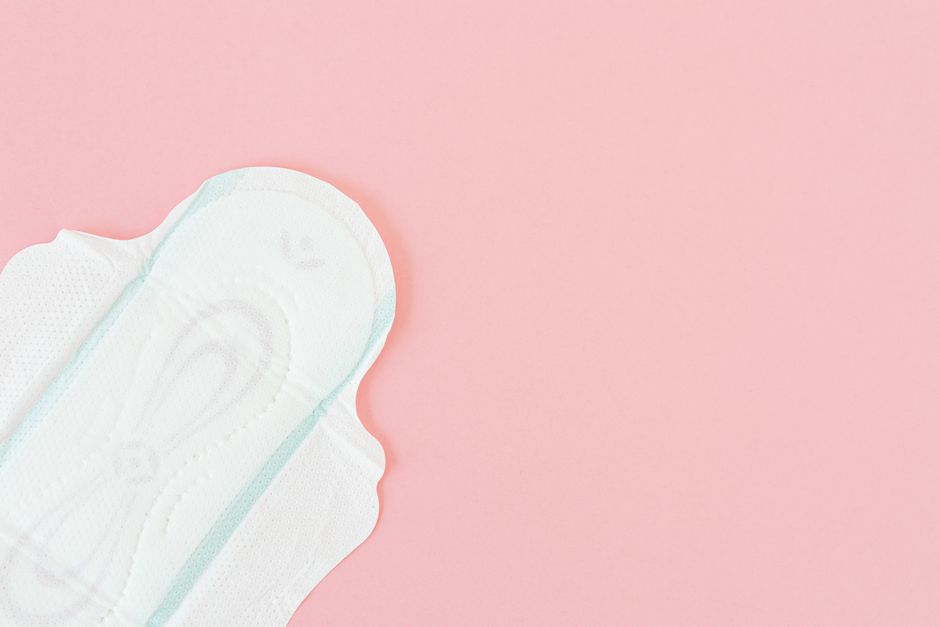
In this article, we’ll explore: Period poverty: A global menstrual health crisis and why it matters today.
Related:
👉 Genelia DSouza Opens Up About Menopause Shaming: Why She’s Feeling Much Cooler at 40
👉 Why Her Health Changes Everything: A Deep Dive into the #BcozSheMatters Campaign
👉 Understanding Why PCOS Affects Pregnancy: The New Science of Endometrial Receptivity and Histone Lactylation
Learn more: Period poverty: A global menstrual health crisis on Google Search
Imagine being a teenage girl sitting in a classroom, feeling that familiar cramp and the sudden realization that your period has started. But instead of reaching into your bag for a pad or asking a friend for a spare, you feel a wave of panic. You don’t have any supplies. You can’t afford them. Your family has to choose between buying a bag of rice or a pack of menstrual pads, and food always wins.
To avoid the embarrassment of a visible stain, you excuse yourself and head home. You’ll stay there for the next five days, missing lessons, exams, and time with your friends. This isn’t a scene from a movie; it is the daily reality for millions of people worldwide. This is period poverty: a global menstrual health crisis that affects dignity, education, and health on a massive scale.
What Exactly is Period Poverty?
When we hear the term “poverty,” we usually think of a lack of food, clean water, or shelter. But period poverty is a specific, often invisible layer of financial hardship. It refers to the struggle many low-income women and girls face while trying to afford menstrual products.
However, it’s not just about the money for a box of tampons. It’s a complex issue that includes:
- Lack of access to products: Not being able to afford pads, cups, or tampons.
- Lack of waste management: No private toilets or bins to dispose of used products.
- Lack of clean water: Inability to wash oneself or reusable products safely.
- Lack of education: Not understanding how menstruation works or how to manage it hygienically due to cultural taboos.
By defining it this way, we see that period poverty: a global menstrual health crisis isn’t just a “third-world problem.” It is happening in the richest cities in the world, from New York to London, as well as in rural villages in Sub-Saharan Africa.
The Human Cost: Real Stories from Around the World
To understand the depth of this crisis, we have to look at the stories behind the statistics. Let’s look at two very different environments where the impact is equally devastating.
Amara’s Story (Rural Kenya)
Amara is 14. In her village, menstruation is rarely discussed. When she started her period, she used old pieces of cloth cut from a tattered blanket. Because there is no running water at her school, she couldn’t wash the cloths properly or dry them in the sun (which kills bacteria) because of the shame associated with anyone seeing them. Eventually, she developed a painful reproductive tract infection. Amara eventually dropped out of school because she fell too far behind during her monthly absences.
Chloe’s Story (United Kingdom)
Chloe lives in a high-income country, but her family relies on food banks. After the rent and electricity are paid, there is nothing left. Chloe has had to use folded-up toilet paper or even socks to manage her flow. She often skips school during her period because she is terrified the “makeshift” pads will leak while she’s walking between classes. Even in a developed nation, the stigma prevents her from asking for help.
Why Does This Crisis Matter?
Period poverty isn’t just a “women’s issue.” It is a human rights issue that ripples through every part of society. When half the population is held back by a natural biological process, everyone loses.
1. The Education Gap
UNESCO estimates that one in ten girls in Sub-Saharan Africa misses school during their menstrual cycle. Over time, these gaps in education lead to higher dropout rates. When girls stay in school, they are more likely to earn higher wages, marry later, and have healthier families. Period poverty acts as a physical barrier to gender equality in the classroom.
2. Severe Health Risks
When people cannot afford safe products, they turn to alternatives like rags, newspaper, dried leaves, or even ash. These materials are not sterile and can cause serious infections, including Urinary Tract Infections (UTIs) and Bacterial Vaginosis. In extreme cases, unhygienic practices can lead to long-term fertility issues or life-threatening complications.
3. The Psychological Burden
There is a massive mental health component to period poverty. The constant anxiety of “leaking,” the shame of using dirty materials, and the social isolation lead to a loss of confidence. Many young people grow up feeling that their bodies are a “problem” to be hidden rather than a natural part of life.
The Wall of Silence: Stigma and Taboos
Why has it taken so long for the world to recognize period poverty: a global menstrual health crisis? The answer is simple: Stigma.
In many cultures, menstruation is seen as “dirty” or “impure.” In parts of Nepal, the practice of chhaupadi (though technically illegal) still sees women banished to “period huts” outside their homes during their cycles. In many Western households, we still use hushed tones and code words like “Aunt Flo” or “that time of the month.”
This silence is dangerous. When we don’t talk about periods, we don’t talk about the lack of supplies. When we don’t talk about the supplies, policymakers don’t allocate budgets for them. Breaking the stigma is the first step toward ending the poverty.
Signs of Progress: What is Being Done?
While the situation is dire, there is a growing movement to end period poverty. We are seeing a shift in how governments and organizations approach menstrual health.
- Scotland Leading the Way: In 2020, Scotland became the first country in the world to make period products free for everyone. It was a landmark moment that recognized menstrual products as a basic necessity, like toilet paper.
- Eliminating the “Tampon Tax”: Many countries, including India, Australia, and Canada, have removed the Value Added Tax (VAT) on menstrual products, acknowledging that they are not “luxury goods.”
- Innovation in Products: Companies are developing low-cost, biodegradable pads and long-lasting menstrual cups that are better for both the wallet and the environment.
- NGO Intervention: Groups like Period.org and Days for Girls are working tirelessly to distribute kits and provide menstrual health education in underserved communities.
How You Can Help Make a Difference
You don’t have to be a politician to help solve this crisis. Small actions can lead to big changes.
Support Local Period Banks
Just like food banks, many cities now have “period banks.” When you go grocery shopping, consider picking up an extra box of pads or tampons and donating them to a local shelter or school.
Advocate for Policy Change
Talk to your local school board or workplace. Ask if they provide free menstrual products in the restrooms. Often, the reason they aren’t provided is simply that no one has ever asked.
Normalize the Conversation
Stop using euphemisms. Talk about menstruation openly and without shame. The more we treat periods as a normal health topic, the easier it becomes for those in need to ask for help without feeling embarrassed.
Key Takeaways
- Period poverty is a global menstrual health crisis that involves a lack of access to products, clean water, and education.
- It affects millions of people, causing them to miss school and work, which fuels the cycle of poverty.
- Using unsafe alternatives to pads leads to serious physical health complications and infections.
- Cultural stigma is a major barrier to solving the problem, as it keeps the issue hidden from public policy.
- Global progress is being made through tax removals and free product initiatives, but there is still a long way to go.
Frequently Asked Questions
Is period poverty only a problem in developing countries?
No. Period poverty is a global issue. Studies show that even in the United States, roughly 1 in 4 students has struggled to afford menstrual products. It is a crisis of affordability that exists wherever there is economic inequality.
What are the most common alternatives people use when they can’t afford pads?
People often resort to using toilet paper, old clothes, socks, newspapers, or even sponges. None of these are designed for menstrual flow and can lead to leaks, discomfort, and dangerous infections.
How does period poverty affect the environment?
When people can’t afford high-quality products, they may use non-biodegradable materials that are difficult to dispose of. Conversely, providing access to reusable options like menstrual cups or washable pads can help solve period poverty while also being eco-friendly.
Can men help in the fight against period poverty?
Absolutely. Men are often in positions of leadership where they can influence policy and budgets. By becoming “period allies” and understanding the challenges, men can help break the stigma and ensure that menstrual health is treated as a standard public health priority.
Final Thoughts
Period poverty: a global menstrual health crisis is not an unsolvable mystery. We have the products, we have the resources, and we have the knowledge. What we have lacked, until recently, is the political will and the social courage to speak up.
No one should have to choose between their dignity and their education. No one should have to risk a life-threatening infection because of a natural bodily function. By speaking out, donating, and advocating for change, we can ensure that a period never stands in the way of a person’s potential again.
Written with love and assistance and refined for quality.
🔗 Related: Making sense of the widening gender…
🔗 Related: Genelia DSouza opens up about menopause…
🔗 Related: The Best Late-Night Drink for Gut…