In this article, we’ll explore: Perineal muscle strength as a predictor of stress urinary incontinence among young parous women in Mangaluru India and why it matters today.
Related:
👉 BcozSheMatters: Why the New WHO and Health Ministry Campaign is a Turning Point for Women’s Wellness
👉 Why Pelvic Health Matters: Understanding Perineal Muscle Strength and Stress Urinary Incontinence Among Young Mothers in Mangaluru
👉 BcozSheMatters: Why the New WHO and Health Ministry Campaign is a Game-Changer for Women Everywhere
Imagine you’re enjoying a sunny afternoon at Panambur Beach with your family. You’re laughing at a joke your husband just made, or perhaps you’re chasing your toddler across the sand. Suddenly, you feel it—a small, unexpected leak. You freeze. The laughter stops. You’re only 28 years old, and you’re wondering, “Is this really happening to me already?”
If this sounds familiar, you aren’t alone. In the coastal city of Mangaluru, many young women who have recently transitioned into motherhood—referred to clinically as “parous women”—are facing a silent struggle. It’s called Stress Urinary Incontinence (SUI), and it’s more common than most people care to admit at a Sunday brunch or a family gathering in Hampankatta.
Today, we’re diving deep into a topic that deserves more attention: perineal muscle strength as a predictor of stress urinary incontinence among young parous women in Mangaluru India. We’ll look at why this happens, why Mangaluru is a specific point of interest, and how understanding your own body can help you regain control.
What Exactly is Stress Urinary Incontinence (SUI)?
Before we get into the “why,” let’s clarify the “what.” Stress Urinary Incontinence isn’t about emotional stress. Instead, it refers to physical “stress” or pressure on the bladder. When you cough, sneeze, laugh, or lift something heavy (like a chubby one-year-old), that pressure can cause urine to leak if the muscles supporting the bladder are weak.
For young women in Mangaluru, this often becomes an issue after childbirth. Whether you had a natural delivery or a C-section, the process of pregnancy itself puts an immense amount of weight on your pelvic floor. Think of your perineal muscles as a hammock. For nine months, that hammock held a growing baby. If that hammock loses its “bounce” or strength, the support system for your bladder starts to fail.
The Mangaluru Context: Why This Study Matters Here
Mangaluru is a unique blend of traditional values and a rapidly modernizing lifestyle. Women here are active—they are professionals, homemakers, and often both. However, despite the high literacy rates and excellent healthcare facilities in the Dakshina Kannada region, pelvic health remains a “taboo” topic.
Recent observations and studies focusing on perineal muscle strength as a predictor of stress urinary incontinence among young parous women in Mangaluru India suggest that many women suffer in silence. They might think it’s a “normal” part of being a mother. Spoiler alert: It’s common, but it’s not something you just have to “live with.”
The Role of Cultural and Lifestyle Factors
In Mangaluru, dietary habits, the hilly terrain of the city, and even the types of physical labor women engage in can influence pelvic health. Researchers have found that identifying perineal muscle weakness early can actually predict who is most likely to develop severe SUI later in life. By focusing on young women—those in their 20s and 30s—we can intervene before the problem becomes a chronic issue that affects quality of life.
How Perineal Muscle Strength Acts as a Predictor
How do doctors or physiotherapists know if you’re at risk? It all comes down to the “squeeze.” Perineal muscle strength is essentially the power of your pelvic floor. When these muscles are strong, they act like a sturdy valve, keeping the urethra closed even when you’re laughing your heart out at a wedding in a Mangaluru hall.
When researchers look at perineal muscle strength as a predictor of stress urinary incontinence among young parous women in Mangaluru India, they use several methods to measure strength:
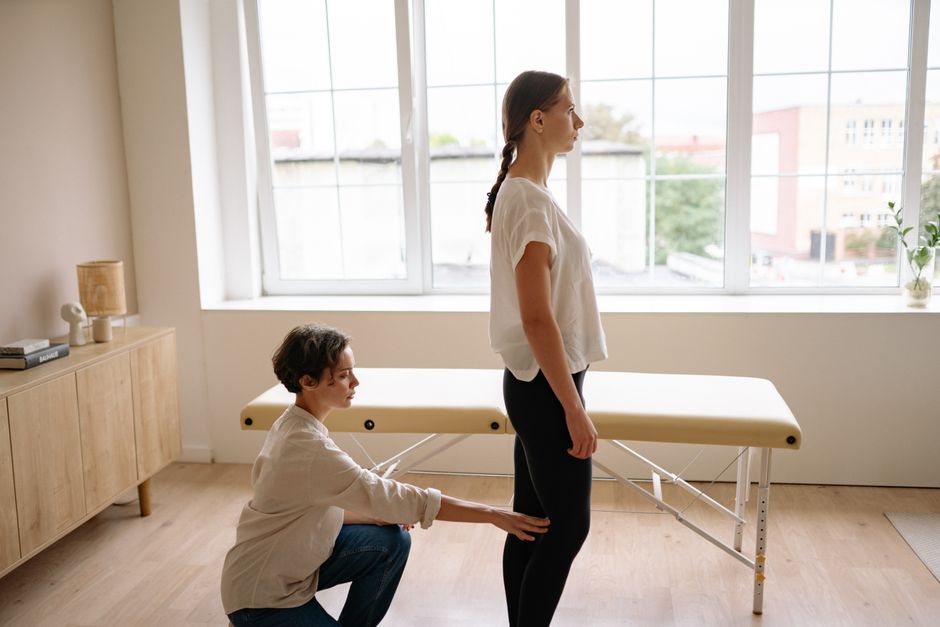
- Digital Palpation: A simple physical exam to check the “lift and squeeze” power.
- Perineometers: Small devices that measure the pressure exerted by the pelvic muscles.
- Observation of Symptoms: Tracking how often leaks occur during physical activity.
If the muscle strength is below a certain threshold shortly after childbirth, it is a very strong predictor that the woman will experience SUI symptoms within the first year postpartum. This “prediction” is vital because it allows for early physical therapy.
Real-Life Example: Anjali’s Story
Anjali, a 30-year-old software engineer living in Bejai, Mangaluru, noticed she started leaking urine while practicing yoga, specifically during the “downward dog” pose. She had her first baby 14 months prior. Initially, she was embarrassed to tell her doctor, thinking it was a sign of premature aging.
After reading about pelvic health, she visited a specialist in Mangaluru who assessed her perineal muscle strength. It turned out her muscles were significantly weakened. By identifying this early, Anjali started a targeted pelvic floor rehabilitation program. Within three months, her “yoga leaks” were gone. Anjali’s case is a perfect example of how muscle strength serves as a warning sign—and how addressing it can change everything.
Why Young Parous Women are Most at Risk
You might wonder why the focus is on “young” women. Traditionally, we associate incontinence with the elderly. However, the “young parous” group (women who have given birth at a younger age) is actually a high-risk category for several reasons:
1. The Impact of Childbirth
Vaginal delivery can sometimes stretch or tear the pelvic floor muscles and nerves. Even without a tear, the sheer pressure of the baby passing through the birth canal can weaken the perineal area.
2. Lack of Postpartum Awareness
In many Mangalurean households, the focus after birth is entirely on the baby or the mother’s nutrition (like the traditional ‘Ladoo’ or ‘Kashaya’). While nutrition is great, the physical “rehab” of the pelvic floor is often completely ignored.
3. Modern Activity Levels
Young moms today are back on their feet quickly. Whether it’s returning to work in an office near State Bank or hitting the gym to lose “baby weight,” high-impact activities on a weak pelvic floor can worsen SUI.
Steps to Improve Perineal Muscle Strength
If you suspect your muscle strength isn’t where it should be, don’t panic. The body is incredibly resilient. Here are some ways women in Mangaluru are taking back control:
- Kegel Exercises: These are the gold standard. By regularly contracting and relaxing the pelvic floor muscles, you can build the “bulk” and control needed to prevent leaks.
- Pelvic Floor Physiotherapy: Mangaluru has some excellent hospitals and clinics (like KMC or Father Muller’s) that offer specialized physiotherapy for women.
- Weight Management: Reducing excess pressure on the bladder through a healthy diet can significantly help.
- Mindful Movement: Learning how to “brace” your core before you sneeze or lift something can protect your muscles from sudden pressure.
The Importance of Early Screening
The research into perineal muscle strength as a predictor of stress urinary incontinence among young parous women in Mangaluru India highlights one major takeaway: Early screening is key.
If we can normalize checking pelvic muscle strength during routine six-week postpartum checkups, we can catch SUI before it affects a woman’s mental health or social life. No woman should have to avoid social gatherings or stop exercising because she is afraid of an accident.
Key Takeaways for Mangalurean Moms
If you take nothing else away from this article, remember these three points:
- It’s not just you: SUI is incredibly common among young mothers in Mangaluru.
- Strength is a signal: Your perineal muscle strength is the best “crystal ball” doctors have to predict and prevent future incontinence.
- Action works: Pelvic floor exercises and professional help are highly effective. You don’t have to live with the leak.
Frequently Asked Questions (FAQ)
1. Can I have SUI even if I had a C-section?
Yes. While vaginal delivery is a major factor, the weight of the pregnancy itself for nine months can weaken the pelvic floor muscles, leading to SUI regardless of how you delivered.
2. How long does it take to see results from pelvic exercises?
Most women start to notice a difference after 6 to 12 weeks of consistent pelvic floor muscle training (Kegels). Consistency is the most important part!
3. Is there a specific age when I should start worrying about this?
There’s no need to “worry,” but awareness should start as soon as you are pregnant or have given birth. Young parous women (even in their early 20s) can experience muscle weakness.
4. Where can I get help in Mangaluru?
You can consult with a gynecologist or a specialized women’s health physiotherapist at any of the major hospitals in Mangaluru. They can perform a professional assessment of your muscle strength.
5. Can diet affect SUI?
In a way, yes. Chronic constipation (which can be caused by a low-fiber diet) leads to straining, which further weakens the perineal muscles. Staying hydrated and eating a fiber-rich diet helps reduce this pressure.
Final Thoughts
Living in a vibrant city like Mangaluru means you have a lot to keep up with. Between the festivals, the food, and the fast-paced life, your health should never take a backseat. Understanding perineal muscle strength as a predictor of stress urinary incontinence among young parous women in Mangaluru India is the first step toward a more confident, leak-free life.
So, the next time you’re at a family dinner or out for a walk at Kadri Park, you should be focusing on the memories you’re making—not worrying about the nearest restroom. Take care of your “hammock,” and it will take care of you!
Written with love and assistance and refined for quality.
🔗 Related: BcozSheMatters: WHO Health Ministry roll out…
🔗 Related: Perineal muscle strength as a predictor…
🔗 Related: Period poverty: A global menstrual health…