In this article, we’ll explore: Period poverty: A global menstrual health crisis and why it matters today.
Related:
👉 BcozSheMatters: WHO Health Ministry roll out campaign on women and girls health and well-being
👉 Genelia DSouza opens up about menopause shaming: Im much cooler at 40
👉 The Hidden Struggle: Why Period Poverty is a Global Menstrual Health Crisis We Can’t Ignore
Learn more: Period poverty: A global menstrual health crisis on Google Search
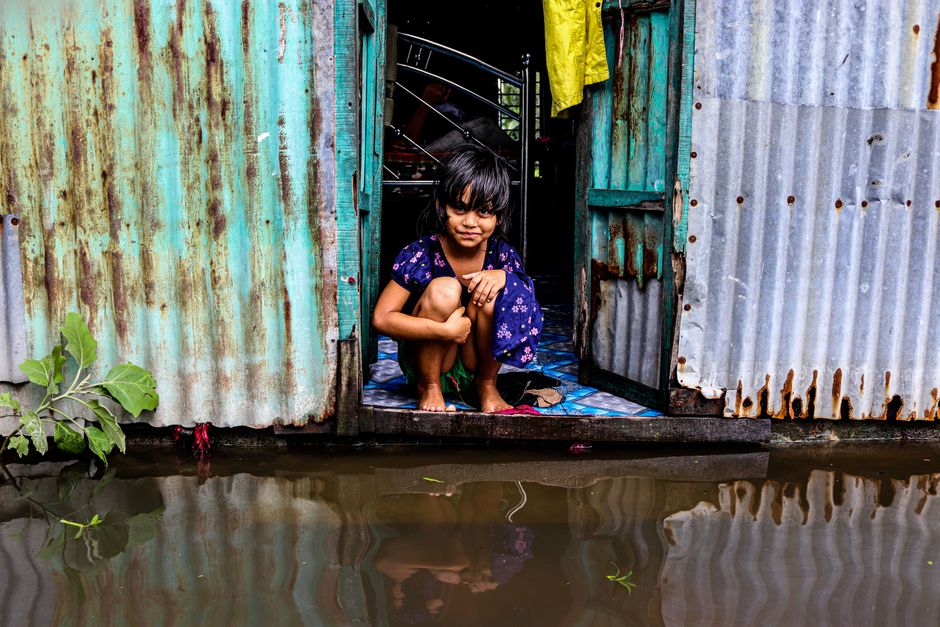
Imagine being a bright, ambitious 14-year-old girl named Amara living in a rural village. Amara loves school, especially math. But every month, for five days, Amara’s world shrinks to the corners of her bedroom. She doesn’t have pads or tampons. She doesn’t have a clean toilet with a lock. Instead, she uses old rags, dried leaves, or even pieces of newspaper to soak up her menstrual flow. She stays home because she is terrified of leaking through her clothes and facing the crushing weight of public shame.
Amara isn’t a fictional character; she represents millions of women, girls, and people who menstruate across the globe. This isn’t just a “women’s issue” or a “personal hygiene problem.” It is a systemic failure known as period poverty. When we talk about period poverty: a global menstrual health crisis, we are talking about a barrier to education, a threat to physical health, and a direct assault on human dignity.
What Exactly is Period Poverty?
At its simplest, period poverty is the lack of access to menstrual products, hygiene facilities, and reproductive health education. However, if we look closer, it’s much more complex than just not having a box of pads. It is a three-headed monster made up of:
- Financial Barriers: The inability to afford pads, tampons, or menstrual cups due to high costs or “tampon taxes.”
- Lack of Infrastructure: No access to clean water, soap, or private toilets to manage menstruation safely and privately.
- The Knowledge Gap: A lack of education about how the body works, leading to fear, confusion, and the internalizing of harmful myths.
When these three factors collide, they create a cycle of disadvantage that keeps people trapped in poverty and prevents them from reaching their full potential.
The Hidden Cost of Being a Woman
Have you ever stopped to calculate the cost of a period? For those of us living in middle-to-high-income households, it might feel like a minor monthly expense. But for someone living on the breadline, the choice between buying a loaf of bread and a pack of sanitary towels is a very real, very painful daily reality.
In many parts of the world, menstrual products are treated as “luxury items” rather than basic necessities. This is compounded by the “Pink Tax”—the extra amount women pay for everyday products. When governments tax pads and tampons as non-essential goods, they are essentially taxing a biological process that half the population cannot control. This financial burden is a cornerstone of why we call period poverty: a global menstrual health crisis.
The Impact on Education: The “Period Gap”
Education is often touted as the great equalizer. But how can it be an equalizer if girls are forced to drop out because of their biology? In sub-Saharan Africa, the World Bank estimates that one in ten girls misses school during their period. In India, research suggests that nearly 23% of girls drop out of school entirely after they start menstruating.
When a girl misses five days of school every month, she misses about 20% of her education. She falls behind, her grades slip, and eventually, she may feel it’s easier to just stop going. This doesn’t just hurt the girl; it hurts her community and the global economy. When women are educated, they are more likely to earn higher wages, have healthier families, and lift their entire communities out of poverty.
Real-World Examples: A Crisis Without Borders
It is a common misconception that period poverty only happens in “developing” nations. While the challenges are different, the crisis is truly global.
The United Kingdom and United States
In the UK, a study by Plan International found that 1 in 10 girls has been unable to afford menstrual products. In the US, “period poverty” is a silent epidemic among the homeless population and low-income students. Many students rely on school nurses for products, but when schools close for holidays or during the pandemic, these students are left with nothing.
Sub-Saharan Africa
In many regions, the lack of “WASH” (Water, Sanitation, and Hygiene) facilities is the biggest hurdle. Even if a girl has a pad, she may not have a private place to change it or clean water to wash her hands. This leads to severe health risks, including urogenital infections and even toxic shock syndrome from using improvised materials for too long.
India
In India, the struggle is often rooted in deep-seated cultural taboos. In some communities, menstruating women are considered “impure.” They may be forbidden from entering the kitchen, touching communal water sources, or attending religious ceremonies. This social exclusion, combined with a lack of affordable products, makes managing a period a monthly trauma.
The Psychological Toll: Shame and Silence
Beyond the physical and financial hurdles, there is the psychological weight of stigma. We have been conditioned to whisper about periods. We hide tampons in our sleeves like they are contraband. We use code words like “Aunt Flo” or “that time of the month.”
For a young person experiencing period poverty, this silence is deafening. If you can’t afford a pad and you’re too ashamed to ask for help because periods are “dirty,” you suffer in isolation. This shame erodes self-esteem and reinforces the idea that a natural bodily function is something to be embarrassed about. Breaking this stigma is just as important as distributing pads.
Sustainable Solutions: Moving Beyond the Band-Aid
How do we solve period poverty: a global menstrual health crisis? It requires a multi-pronged approach that moves beyond one-time donations.
1. Policy Change and Legislation
Scotland made history in 2020 by becoming the first country in the world to make period products free for everyone who needs them. This is the gold standard. Other countries must follow suit by removing the “tampon tax” and ensuring that public buildings, schools, and workplaces provide free menstrual products.
2. Sustainable Products
Disposable pads and tampons create a massive amount of plastic waste. In areas with poor waste management, this creates an environmental nightmare. Promoting reusable options like menstrual cups, period underwear, and washable cloth pads is a win-win. They are cheaper in the long run and better for the planet.
3. Comprehensive Education
We need to educate everyone—not just girls—about menstrual health. Boys and men need to understand that periods are a normal part of life. When men are educated, they are more likely to support their daughters, sisters, and wives, and more likely to vote for policies that support menstrual equity.
4. Investing in Infrastructure
Governments and NGOs must prioritize building private, safe, and clean toilets in schools and public spaces. Access to water is a human right, and it is the foundation of menstrual hygiene.
Key Takeaways
- Period poverty is a systemic issue: It involves a lack of products, education, and sanitation.
- It affects education: Millions of girls miss school or drop out entirely due to a lack of menstrual support.
- It’s a global problem: From the US to India, people are struggling to afford basic hygiene.
- Stigma is a barrier: Cultural taboos prevent people from seeking help and reinforce inequality.
- Policy is the solution: Making products free and improving infrastructure are the most effective ways to end the crisis.
Frequently Asked Questions
What is the main cause of period poverty?
The main causes are financial instability (high cost of products), lack of access to clean water and private toilets, and social stigma that prevents open conversation and education about menstrual health.
How does period poverty affect mental health?
It often leads to feelings of shame, anxiety, and isolation. The fear of “leaking” in public or being teased can cause significant psychological distress and lower a person’s self-confidence.
Are reusable products a good solution?
Yes, products like menstrual cups and reusable pads are highly effective and sustainable. However, they require access to clean water for sterilization, which isn’t always available in every region.
How can I help end period poverty?
You can donate products to local shelters, support charities like Period.org or Plan International, and advocate for policy changes in your local government to make menstrual products tax-free or free in schools.
A Call to Action
Period poverty isn’t just about blood; it’s about blood, sweat, and tears. It’s about the sweat of the girl trying to keep up with her classmates while she’s in pain, and the tears of the mother who has to choose between food and her daughter’s dignity.
We live in a world that can send rockets to Mars and develop vaccines in record time. Surely, we can ensure that no one has to miss out on life simply because they have a period. It’s time to stop whispering and start acting. Ending period poverty: a global menstrual health crisis is not just a dream—it’s a necessity for a fair and equal world.
Written with love and assistance and refined for quality.
🔗 Related: Perineal muscle strength as a predictor…