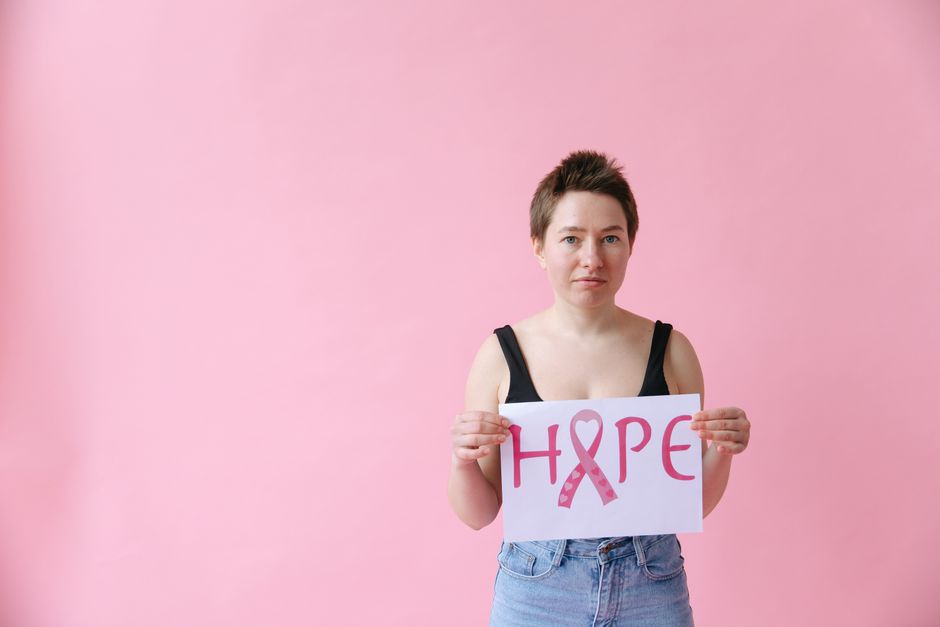
In this article, we’ll explore: For millions of women PCOS was never just about the ovaries and why it matters today.
Related:
👉 Beyond the Monthly Cycle: Why Period Poverty is a Global Menstrual Health Crisis
👉 BcozSheMatters: Why the New WHO Health Ministry Campaign is a Game-Changer for Women and Girls Everywhere
👉 Understanding Why Women With Polycystic Ovary Syndrome Exhibit Impaired Endometrial Receptivity With Excessive ER and Histone Lactylation
Learn more: For millions of women PCOS was never just about the ovaries on Investopedia
If you’ve ever sat in a cold doctor’s office, clutching a paper gown and hearing the words “Polycystic Ovary Syndrome” for the first time, you probably felt a mix of relief and confusion. Relief because your symptoms finally had a name, and confusion because, well, the name itself is a bit of a liar.
The name suggests the problem starts and ends with your ovaries. It suggests that if you just “fix” the cysts or manage your period, everything else will fall into place. But as any woman living with it will tell you, that couldn’t be further from the truth. For millions of women PCOS was never just about the ovaries; it is a complex, full-body endocrine revolution that affects everything from the way we process sugar to the way we wake up in the morning.
In this post, we’re going to peel back the layers of this condition. We’ll talk about why the name is misleading, how it actually affects your body, and why looking at it as a “fertility issue” only tells ten percent of the story.
The Great Misnomer: You Don’t Even Need Cysts
Let’s start with the most frustrating part of the diagnosis: the name. You can actually be diagnosed with Polycystic Ovary Syndrome without having a single cyst on your ovaries. On the flip side, you can have “cysts” (which are actually just follicles that didn’t release an egg) and not have the syndrome at all.
Imagine Sarah. Sarah is 26, struggling with adult acne that feels like a second puberty, and she hasn’t had a regular period in six months. She goes to the doctor, gets an ultrasound, and her ovaries look “normal.” Her doctor tells her she’s fine. But Sarah doesn’t feel fine. She’s exhausted, her hair is thinning at the temples, and she’s gaining weight despite running five miles a day.
Sarah is a classic example of why the “ovary-first” approach fails. PCOS is an endocrine disorder—a hormone imbalance—that can affect the ovaries, but it doesn’t have to. It’s a systemic issue that changes how your body communicates with itself.
The Metabolic Engine: It’s Often About Insulin
If the ovaries aren’t the “main character” of PCOS, who is? For about 70% of women with the condition, the real driver is insulin resistance.
Think of insulin as a key. Its job is to unlock your cells so they can take in sugar (glucose) from your blood and turn it into energy. With PCOS, the lock gets rusty. Your body pumps out more and more insulin to try and get the job done. This high level of insulin does two very annoying things:
- It tells your ovaries to produce more testosterone (leading to hair growth where you don’t want it and hair loss where you do).
- It tells your body to store fat, especially around the midsection, and makes it incredibly difficult to lose that weight.
This is why diet advice for PCOS is so much more than just “eating less.” It’s about managing blood sugar so your hormones don’t go into a tailspin. For millions of women PCOS was never just about the ovaries—it was about a metabolic system that was working overtime just to keep the lights on.
The Visible Struggle: More Than Just “Cosmetic”
One of the hardest parts of living with PCOS is the physical manifestation of the hormone shift. Society often dismisses things like acne or unwanted hair as “vanity issues,” but for a woman with PCOS, these are constant, visible reminders that her internal chemistry is off-balance.
Hirsutism and the “Shame” Cycle
Hirsutism is the medical term for excess body hair in places women typically don’t have it—the chin, chest, or stomach. It’s caused by those elevated androgens (male hormones). I’ve spoken to women who spend thirty minutes every morning in front of a magnifying mirror with tweezers, or who won’t go to a sleepover because they’re afraid someone will see their “five o’clock shadow.” This isn’t just about hair; it’s about a fundamental shift in how you feel as a woman.
The Heartbreak of Thinning Hair
While hair grows in the wrong places, it often disappears from the scalp. Female pattern hair loss is a common symptom that hits deep at a woman’s self-esteem. It’s a quiet grief, watching your ponytail get thinner month by month, knowing that the “fix” isn’t a better shampoo, but a complex hormonal recalibration.
The Mental Health Connection: The “PCOS Brain”
We need to talk about the “PCOS Brain.” Research shows that women with PCOS are significantly more likely to experience anxiety and depression. Is it because of the physical symptoms? Partly. But there’s also a biological component.
Hormones like progesterone and estrogen don’t just regulate your period; they regulate your mood. When your hormones are constantly fluctuating or staying at “flat” levels because you aren’t ovulating, your brain chemistry changes. Add in the inflammation that often comes with PCOS, and you have a recipe for brain fog, irritability, and “the blues” that no amount of “just staying positive” can fix.
If you find yourself crying over a dropped spoon or feeling like you’re walking through a cloud of fatigue, it’s not a character flaw. It’s your endocrine system asking for help.
Why the “Fertility-Only” Focus is Harmful
For decades, the medical community only cared about PCOS when a woman wanted to get pregnant. If you weren’t trying for a baby, the standard advice was often: “Take the pill and come back when you want to conceive.”
This is a dangerous oversight. Because for millions of women PCOS was never just about the ovaries, ignoring it during your 20s and 30s can lead to serious long-term health risks, including:
- Type 2 Diabetes: Over half of women with PCOS develop type 2 diabetes by age 40.
- Heart Disease: High insulin and inflammation increase the risk of high blood pressure and heart issues.
- Sleep Apnea: Many women with PCOS struggle with disordered breathing at night, leading to chronic exhaustion.
- Endometrial Cancer: If you aren’t shedding your uterine lining regularly, the risk of abnormal cell growth increases.
Managing PCOS is about protecting your future self, not just about your ability to have a family.
A Holistic Approach: Taking Back Control
Since PCOS is a whole-body issue, the “fix” has to be a whole-body approach. There is no magic pill, but there is a lot of power in lifestyle shifts that respect your unique biology.
1. Eating for Blood Sugar Stability
Instead of restrictive dieting, think about “pairing.” If you’re going to have a carb, pair it with a protein and a healthy fat. This prevents the massive insulin spikes that trigger androgen production. Think apple with almond butter, or sourdough toast with avocado and an egg.
2. Moving with Intention
For some women with PCOS, high-intensity interval training (HIIT) can actually increase cortisol (the stress hormone) and make symptoms worse. Many find that “slow weighted workouts” or walking are more effective for managing weight and stress without burnout.
3. Prioritizing Sleep and Stress Management
Stress is fuel for PCOS. High cortisol levels drive up insulin, which drives up testosterone. Whether it’s meditation, reading, or just setting boundaries at work, managing your stress is a medical necessity, not a luxury.
Key Takeaways
- It’s a Hormone Issue: PCOS is an endocrine disorder, not just a reproductive one.
- The Name is Flawed: You don’t need “cysts” on your ovaries to have PCOS.
- Insulin is Often the Driver: Managing blood sugar is the foundation of managing most PCOS symptoms.
- Mental Health Matters: Anxiety and depression are biologically linked to the hormone imbalances of PCOS.
- Long-term Health is the Goal: Treatment should focus on preventing diabetes and heart disease, not just fertility.
FAQ: Understanding the Bigger Picture
Is PCOS curable?
Technically, there is no “cure,” but it is highly manageable. Many women reach a point where they are “symptom-free” through a combination of lifestyle changes, supplements (like Inositol), or medications (like Metformin or Spironolactone).
Why am I so tired all the time?
This is often due to “insulin resistance fatigue.” When your cells can’t efficiently take in glucose for energy, you feel drained. Chronic inflammation and potential sleep apnea also play a role.
Can I still get pregnant with PCOS?
Absolutely. PCOS is one of the most common causes of infertility, but it is also one of the most treatable. Many women conceive naturally once they address the underlying hormonal imbalances, while others find success with minor medical assistance.
Do I have to go on the birth control pill?
The pill is a common tool used to manage symptoms and protect the uterine lining, but it isn’t the only way. Some women choose to manage their symptoms through lifestyle and nutrition alone, while others use a combination. It’s a personal choice that should be discussed with a provider who understands the full scope of the condition.
Final Thoughts
If you are struggling with the weight, the hair, the skin, or the crushing fatigue, please know that you aren’t “broken.” You are navigating a body that processes the world a little differently. For millions of women PCOS was never just about the ovaries—it’s a journey of learning how to nourish your metabolic health, balance your hormones, and advocate for yourself in a medical system that is still catching up to the reality of this condition.
You deserve more than a “come back when you want a baby” answer. You deserve to feel good in your skin right now.
Written with love and assistance and refined for quality.
🔗 Related: Perineal muscle strength as a predictor…
🔗 Related: Women with polycystic ovary syndrome exhibit…
🔗 Related: Perineal muscle strength as a predictor…