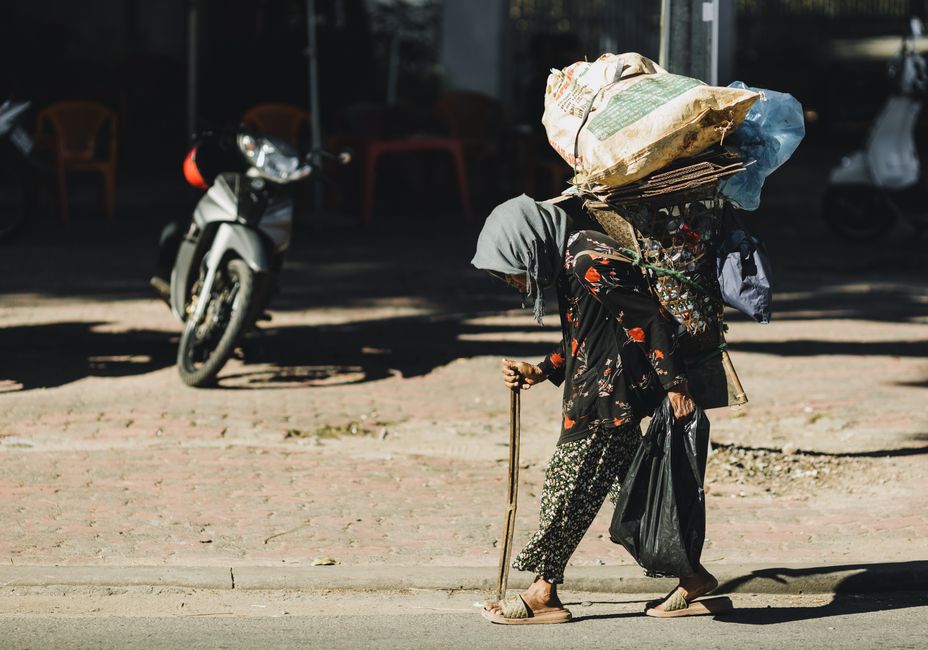
In this article, we’ll explore: Period poverty: A global menstrual health crisis and why it matters today.
Related:
👉 BcozSheMatters: Why the WHO Health Ministry’s New Campaign is the Wake-Up Call We All Need
👉 The Silent Struggle: Understanding Perineal Muscle Strength and Bladder Control for Young Mothers in Mangaluru
👉 Period Poverty: A Global Menstrual Health Crisis We Can No Longer Ignore
Learn more: Period poverty: A global menstrual health crisis on Google Search
Imagine for a second that you are a fifteen-year-old girl sitting in a classroom. You feel that familiar, dull ache in your lower back. You realize your period has started. But instead of reaching into your bag for a pad or asking a friend for a tampon, you feel a wave of sheer panic. You don’t have any supplies. You can’t afford them. Your family had to choose between buying a bag of rice or a box of pads this month, and the rice won.
To avoid the embarrassment of a visible stain on your uniform, you slip out of class and head home. You’ll stay there for the next five days, using old rags, newspapers, or even dried leaves to manage the flow. By the time you return, you’ve missed a week of lessons. This isn’t a scene from a history book—it is the daily reality for millions. This is the heart of period poverty: a global menstrual health crisis that affects dignity, education, and health in every corner of the map.
What Exactly is Period Poverty?
When we talk about period poverty, we aren’t just talking about a lack of money to buy tampons. It is a much broader, more systemic issue. At its core, period poverty is the lack of access to menstrual products, hygiene facilities, waste management, and education.
It is a complex intersection of poverty, lack of basic infrastructure (like clean water and private toilets), and the crushing weight of social stigma. While it is often discussed as an issue in developing nations, it is happening right now in the United States, the UK, and across Europe. It is a quiet thief that steals opportunities from women, girls, and people who menstruate, regardless of their zip code.
The Human Face of the Crisis: Real-World Examples
To understand why we call it a crisis, we have to look at the stories behind the statistics.
The Student in Ohio
In many high schools across the U.S., students miss class because they cannot afford menstrual products. One student, whom we’ll call Maya, shared that she used to “double up” on toilet paper from the school bathroom, rolling it into a makeshift pad. It was uncomfortable, it leaked, and she spent the whole day in fear of being bullied. Eventually, she just started staying home. When you miss one week of school every month, you aren’t just missing “a few days”—you are missing 25% of your education.
The Worker in Nairobi
In Kenya, many women working in informal sectors face a “choice” no one should have to make. A pack of sanitary pads can cost a significant portion of a daily wage. For a mother trying to feed three children, that pack of pads is a luxury. Without them, she might use unhygienic materials like corn cobs or old foam from a mattress. These methods aren’t just uncomfortable; they lead to painful reproductive tract infections and long-term health complications.
The Three Pillars of Period Poverty
Why is this still happening in the 21st century? It usually boils down to three main barriers:
1. The Financial Barrier (The “Pink Tax”)
In many places, menstrual products are taxed as “luxury items” rather than essential healthcare needs. While items like Viagra or certain snacks might be tax-exempt, pads and tampons are often hit with a high sales tax. When you combine this with the rising cost of living, basic hygiene becomes unreachable for those living below the poverty line.
2. The Infrastructure Gap
You can give someone a box of pads, but if they don’t have a private toilet with a lock, clean running water to wash their hands, or a way to discretely dispose of used products, the problem isn’t solved. In many parts of the world, schools and workplaces lack “period-friendly” facilities, forcing people to stay home to maintain their privacy and dignity.
3. The Stigma and Silence
This is perhaps the most invisible part of the period poverty: a global menstrual health crisis. In many cultures, menstruation is still seen as “dirty” or “shameful.” When we don’t talk about periods, we don’t talk about the struggle to afford products. This silence prevents policy changes and keeps people suffering in isolation.
The Ripple Effect: How It Impacts Society
Period poverty doesn’t just affect the individual; it has a massive “ripple effect” on the global economy and public health.
- Education: UNESCO estimates that 1 in 10 girls in Sub-Saharan Africa misses school during their period. This leads to higher dropout rates and limits future earning potential.
- Mental Health: The constant stress of managing a period without supplies leads to anxiety, depression, and a loss of self-esteem. The “shame” associated with leaking can have lasting psychological effects.
- Physical Health: Using dirty rags or keeping a single tampon in for too long (to save money) increases the risk of Toxic Shock Syndrome (TSS), urinary tract infections, and fungal infections.
- Economic Participation: When adults can’t go to work because they lack supplies, they lose wages, which further traps them in the cycle of poverty.
Signs of Progress: The Fight Back
It’s not all bad news. The world is finally starting to wake up to the fact that menstrual health is a human right. Here are a few ways the tide is turning:
Scotland Leads the Way
In 2020, Scotland became the first country in the world to make period products free for everyone. They recognized that these items are just as essential as toilet paper in public restrooms. This landmark legislation set a gold standard for the rest of the world.
Grassroots Movements
From “Period Parties” in the U.S. where volunteers pack hygiene kits, to NGOs in India teaching local women how to manufacture low-cost biodegradable pads, the movement is growing. Organizations like Period.org and The Pad Project are working tirelessly to provide supplies and education to those who need them most.
Policy Changes
Several U.S. states and countries like Canada and Australia have moved to scrap the “Tampon Tax.” While this is just one step, it’s a vital move toward making menstrual products more affordable for everyone.
What Can We Do to Help?
You don’t have to be a politician to make a difference. Here are a few simple ways to help end period poverty: a global menstrual health crisis:
- Donate Supplies: Food banks often receive plenty of canned goods but very few menstrual products. Next time you go shopping, pick up an extra box of pads or tampons and drop them off at your local pantry or shelter.
- Talk About It: Break the taboo. The more we talk about periods as a normal biological function, the less power the stigma has.
- Support Policy: Call your local representatives and ask them to support legislation that provides free products in schools and prisons.
- Support Ethical Brands: Many companies now have a “buy one, give one” model. By choosing these brands, you are directly funding menstrual health for someone in need.
Key Takeaways
- Period poverty: a global menstrual health crisis is about more than just a lack of pads; it involves lack of water, toilets, and education.
- It affects millions of people in both developing and developed nations.
- The crisis leads to significant gaps in education, health risks, and economic loss.
- Stigma remains one of the biggest hurdles to solving the problem.
- Global progress is being made, but there is still a long way to go to ensure menstrual equity for all.
Frequently Asked Questions
What is the main cause of period poverty?
The main causes are a combination of high costs of menstrual products, lack of access to clean water and private sanitation, and cultural taboos that prevent open discussion and policy change.
Is period poverty only a problem in poor countries?
No. It is a significant issue in wealthy nations as well. In the US, studies have shown that nearly 1 in 4 students struggle to afford period products, leading to missed school days.
How does period poverty affect education?
When students cannot afford products, they often stay home to avoid the embarrassment of leaking. This leads to chronic absenteeism, which can cause them to fall behind or drop out of school entirely.
What are the health risks associated with period poverty?
Using unhygienic materials (like rags, paper, or sand) or wearing a single product for too long can lead to severe infections, including UTIs, bacterial vaginosis, and in extreme cases, Toxic Shock Syndrome.
Can men help end period poverty?
Absolutely. Men can play a huge role by helping to destigmatize the conversation, supporting funding for school supplies, and advocating for menstrual equity in the workplace and in government.
A Final Thought
Menstruation is a sign of health and life, yet for millions, it is a source of stress and exclusion. Ending period poverty isn’t just about “charity”—it’s about justice. It’s about ensuring that a natural biological process doesn’t stand in the way of someone’s education, health, or future. By shining a light on this global menstrual health crisis, we can finally move toward a world where no one is held back by their period.
Written with love and assistance and refined for quality.
🔗 Related: Perineal muscle strength as a predictor…
🔗 Related: Research Shows This Supplement Can Help…