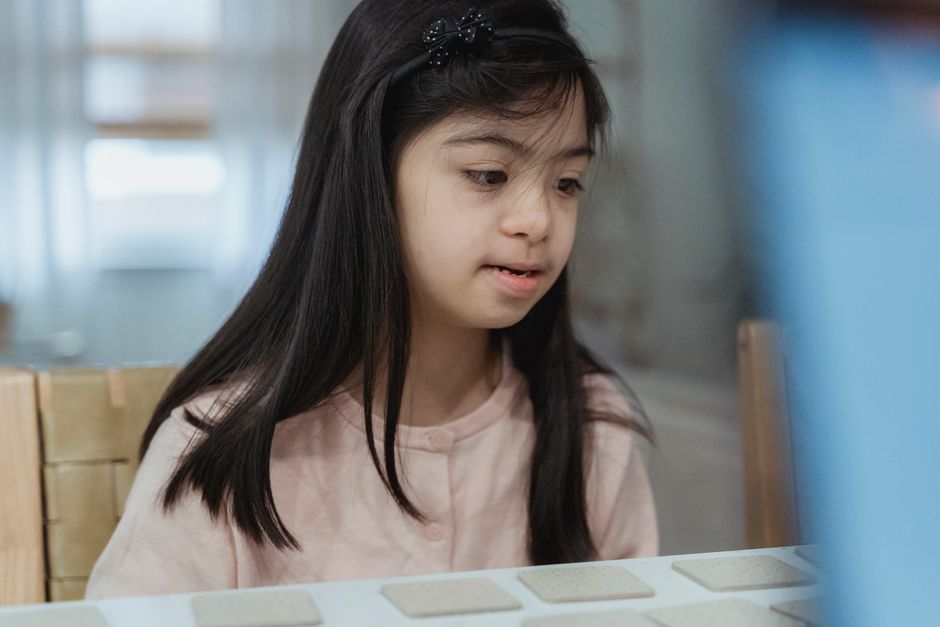
In this article, we’ll explore: Making sense of the widening gender mental health gap: what teenage girls told us and why it matters today.
Related:
👉 The Surprising Powerhouse: Why This One Supplement Is a Game-Changer for Your Body and Brain
👉 Period Poverty: A Global Menstrual Health Crisis We Can No Longer Ignore
👉 Why PCOS Makes Pregnancy Harder: Understanding the Science of Endometrial Receptivity and Histone Lactylation
Learn more: Making sense of the widening gender mental health gap: what teenage girls told us on Wikipedia
If you walk into any high school hallway today, things might look the same as they did twenty years ago. There are lockers slamming, groups of friends huddled together, and the frantic energy of students rushing to class. But beneath the surface, something has shifted—drastically. Over the last decade, a silent storm has been brewing, and it’s hitting teenage girls much harder than boys.
Researchers, parents, and teachers have all noticed it. The data shows a growing divide. While mental health challenges are up across the board for all young people, the “gender gap” in mental health has widened into a canyon. We aren’t just talking about a few bad days; we are talking about record-high levels of anxiety, depression, and feelings of hopelessness among adolescent girls.
But instead of just looking at charts and graphs, we need to listen to the people living through it. In this post, we are making sense of the widening gender mental health gap: what teenage girls told us about their lives, their fears, and why the world feels so heavy right now.
The Great Divergence: What the Data Shows
Before we dive into the “why,” we have to look at the “what.” Since around 2010, the mental health of teenage girls has taken a sharp downturn. Studies from around the world—from the US and UK to Australia—show that girls are reporting significantly higher levels of psychological distress than boys.
In the past, the gap existed, but it was narrow. Today, girls are nearly twice as likely to experience clinical depression as their male peers. They are more likely to report feeling lonely, even when surrounded by people, and they are increasingly worried about their futures. To understand this, we have to look at the unique pressures that have landed on their shoulders over the last ten to fifteen years.
The Digital Mirror: Social Media and the Comparison Trap
When we ask girls why they feel overwhelmed, the first answer is almost always the same: the phone. But it’s not just “screen time.” It’s what is happening on the screen. For teenage girls, social media isn’t just a tool; it’s a 24/7 digital mirror that never stops reflecting their perceived flaws.
The Perfectionism Loop
One sixteen-year-old girl, let’s call her Maya, explained it perfectly: “It’s like I’m constantly performing. I’m not just living my life; I’m editing it. I see girls who look perfect, who have perfect rooms and perfect grades, and I know it’s probably fake, but I still feel like I’m failing because I’m not that.”
Teenage girls are socialized to value connection and appearance. Social media weaponizes these instincts. The “Like” button becomes a metric for self-worth. When a girl posts a photo and it doesn’t get the “right” amount of engagement, it feels like a public rejection of her identity. Boys, while also affected by social media, often use it differently—focusing more on gaming or shared hobbies rather than the curated presentation of the self.
Cyberbullying and Social Exclusion
The “mean girl” trope has moved from the school cafeteria to the group chat. Girls told us that social exclusion is now invisible to adults but constant for them. Being left out of a “Story” or seeing a group of friends hanging out without you in real-time creates a level of social anxiety that previous generations simply didn’t have to navigate.
The Weight of the World: Academic and Societal Pressure
It’s a common misconception that girls are struggling because they are “fragile.” In reality, they are struggling because they are carrying too much. Girls are often the “over-achievers” in the modern school system. They are told they can do anything, which is a wonderful message, but it has morphed into the feeling that they must do everything.
- The “Perfect Student” Syndrome: Girls often feel more pressure to maintain high GPAs while also participating in extracurriculars and maintaining a social life.
- Safety Concerns: In interviews, many girls mentioned a heightened sense of fear regarding physical safety and harassment, both online and in the real world.
- Global Anxiety: With the 24-hour news cycle in their pockets, girls are more likely to report deep anxiety about climate change, social justice, and political instability.
When you combine the pressure to be a straight-A student, a “perfect” looking person, and a socially conscious citizen, it’s no wonder the engine is starting to smoke.
Making Sense of the Widening Gender Mental Health Gap: What Teenage Girls Told Us
When we sat down to really listen, the stories were heartbreakingly consistent. The widening gap isn’t a mystery when you hear the common themes in their lives. Here is what they want us to know:
1. “We feel like we can’t switch off.”
In the past, home was a sanctuary. If you had a bad day at school, you went home, and the world stayed outside. For today’s girls, there is no “outside.” The drama, the comparisons, and the news follow them into their bedrooms. This constant state of high alert prevents the brain from resting, leading to chronic stress and burnout.
2. “The standards are impossible.”
Girls spoke about the “Double Bind.” They feel they need to be smart but not “nerdy,” pretty but not “vain,” and confident but not “bossy.” These conflicting expectations create a “no-win” situation where they are constantly second-guessing their every move.
3. “We are lonely in a crowd.”
Despite being the most “connected” generation in history, teenage girls report record levels of loneliness. They told us that while they have hundreds of “friends” online, they often feel they have no one they can truly talk to about their struggles without being judged or “canceled.”
The Role of Internalization
Psychologists point out that boys and girls tend to process distress differently. Boys are more likely to “externalize”—they might get angry, act out, or get into trouble. Girls, on the other hand, tend to “internalize.” They turn the pain inward.
This internalization manifests as anxiety, self-harm, and eating disorders. Because these behaviors are often quiet and don’t disrupt the classroom, they can go unnoticed for a long time. By the time a girl’s struggle is “visible” to adults, she may have been suffering in silence for years. This is a key factor in making sense of the widening gender mental health gap: what teenage girls told us—they are experts at hiding their pain behind a smile and a filtered photo.
How We Can Help: Bridging the Gap
Identifying the problem is only half the battle. How do we actually help the girls in our lives? It starts with changing how we interact with them.
Validate, Don’t Dismiss
When a teenage girl says she is stressed about a social media post, the worst thing an adult can say is, “Just put the phone away.” To her, that phone is her social lifeline. Instead, try to understand the feeling behind it. Say, “It sounds like you’re feeling a lot of pressure to fit in. That must be really exhausting.”
Encourage “Unproductive” Hobbies
Everything in a girl’s life is often geared toward an outcome—a grade, a trophy, or a “like.” Encourage them to do things just for the sake of doing them. Paint a messy picture, go for a walk without a fitness tracker, or read a book that has nothing to do with school. We need to teach them that their value isn’t tied to their productivity.
Create Phone-Free Zones
We can’t ban phones, but we can create boundaries. Making dinner time or the hour before bed “phone-free” can help lower cortisol levels and allow for genuine human connection. But here is the catch: parents have to do it too. Modeling healthy digital habits is the most effective way to teach them.
Key Takeaways
- The gap is real: Teenage girls are experiencing a much sharper decline in mental health than boys, largely due to how they process social and academic pressures.
- Social media is a major factor: The focus on visual perfection and social metrics hits girls’ self-esteem harder.
- Internalization is the “Quiet Killer”: Girls often hide their distress, making it harder for parents and teachers to intervene early.
- Listening is the first step: We need to move away from “fixing” and toward “understanding” what they are going through.
Frequently Asked Questions
Why is the mental health gap specifically widening for girls and not boys?
While both are struggling, girls are more susceptible to the “social comparison” aspects of social media. They also tend to internalize stress, leading to higher rates of anxiety and depression, whereas boys may express distress through external behaviors that are sometimes caught earlier.
Is social media the only cause?
No. While social media is a huge factor, increased academic pressure, a more precarious global outlook (climate, safety), and traditional gender expectations all play a role in creating a “perfect storm” for girls’ mental health.
What are the early warning signs I should look for?
Look for changes in sleep patterns, a withdrawal from hobbies they used to enjoy, excessive “perfectionism” in schoolwork, or a sudden change in how they talk about their appearance or their friends.
How can I get my daughter to talk to me?
Try “side-by-side” communication. Often, teenagers find it easier to talk while doing something else, like driving in the car or washing dishes. It removes the pressure of direct eye contact and makes the conversation feel less like an interrogation.
Final Thoughts
Making sense of the widening gender mental health gap is a complex task, but it starts with a simple premise: believing teenage girls when they tell us they aren’t okay. Their world is faster, louder, and more judgmental than the one most of us grew up in. By offering empathy instead of judgment and listening more than we lecture, we can start to build the bridges they need to find their way back to a place of peace.
Written with love and assistance and refined for quality.
🔗 Related: Period poverty: A global menstrual health…
🔗 Related: Making sense of the widening gender…
🔗 Related: Research Shows This Supplement Can Help…