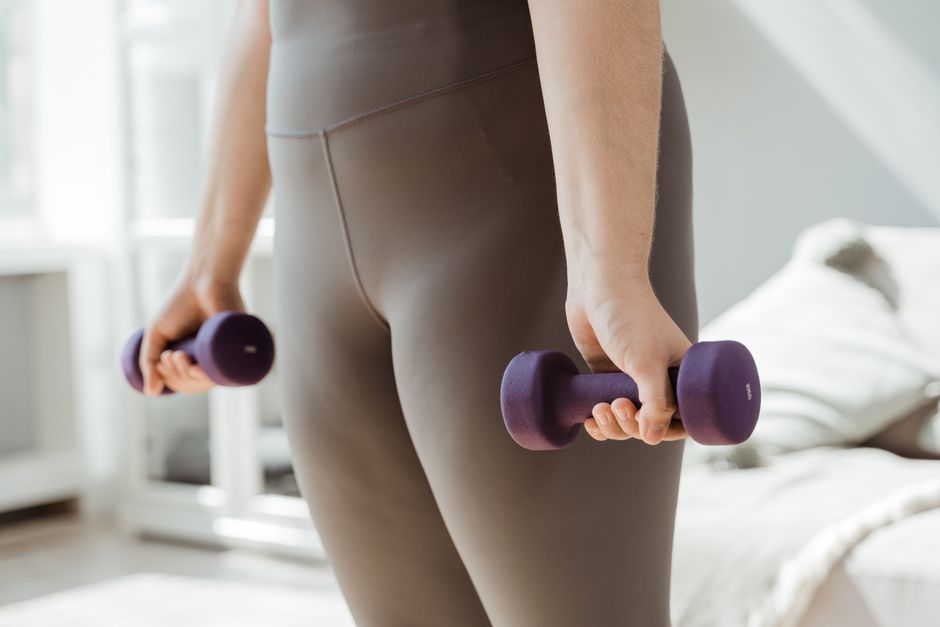
In this article, we’ll explore: Perineal muscle strength as a predictor of stress urinary incontinence among young parous women in Mangaluru India and why it matters today.
Related:
👉 The Hidden Struggle: Why Period Poverty Is a Global Menstrual Health Crisis We Can No Longer Ignore
👉 The Silent Risk: A Perfect Storm for Bone Loss in Women: Menopause and GLP-1 Weight-Loss Drugs
👉 Don’t Let a Sneeze Stop You: Understanding Perineal Muscle Strength and Postpartum Health for Moms in Mangaluru
Imagine this: You’re at a lively family gathering in the heart of Mangaluru. The smell of fresh Kori Rotti is in the air, and your cousin just told a hilarious joke. You start to laugh, but suddenly, you freeze. That familiar, uncomfortable dampness makes your heart sink. You’ve just experienced a small leak.
If this sounds familiar, you aren’t alone. For many young women in our beautiful coastal city who have recently transitioned into motherhood, this is a daily reality. It’s called Stress Urinary Incontinence (SUI), and while it’s often whispered about in hushed tones, it’s a medical condition that deserves our full attention. Specifically, recent health discussions have highlighted perineal muscle strength as a predictor of stress urinary incontinence among young parous women in Mangaluru India.
In this post, we’re going to break down what this means, why it’s happening to women in their 20s and 30s, and how understanding your muscle strength can be the key to regaining your confidence.
What Exactly is Stress Urinary Incontinence (SUI)?
Before we dive into the science, let’s clear up the terminology. Stress Urinary Incontinence isn’t about emotional stress (though it certainly causes it!). It refers to physical “stress” or pressure placed on the bladder. When you cough, sneeze, laugh, or lift a heavy grocery bag from the Central Market, that pressure pushes down on your bladder.
Normally, your pelvic floor muscles—also known as perineal muscles—act like a sturdy hammock. They stay tight and keep the “valve” of the bladder closed. But when these muscles are weakened, that “hammock” sags, and a little bit of urine escapes. For young “parous” women (women who have given birth), this weakness is often a lingering souvenir of pregnancy and childbirth.
The Mangaluru Context: Why This Study Matters
You might wonder why we are focusing specifically on Mangaluru. Our city has a unique blend of traditional and modern lifestyles. We have high literacy rates and excellent healthcare facilities, yet many young mothers still feel a sense of “shame” regarding pelvic health. They assume that leaking is just a “part of being a mom” that they have to endure.
Research focusing on perineal muscle strength as a predictor of stress urinary incontinence among young parous women in Mangaluru India has shed light on a silent struggle. By studying women right here in our community, researchers have found that early intervention can prevent years of discomfort. Whether you are a software engineer in ITPL or a homemaker in Kadri, your pelvic health is the foundation of your physical well-being.
The “Ananya” Example
Take Ananya, a 29-year-old school teacher from Hampankatta. After her second child, she stopped going for her morning walks at Kadri Park. Why? Because every time she picked up her pace, she experienced a leak. She felt “old” before her time. Ananya didn’t realize that her perineal muscles had lost their tone during her deliveries. Once she understood that muscle strength was the predictor of her condition, she was able to seek the right physiotherapy to fix it.
How Perineal Muscle Strength Predicts SUI
Think of your perineal muscles as the “gatekeepers.” If the gatekeeper is strong, the gate stays shut. If the gatekeeper is tired or weak, the gate swings open at the slightest push. In clinical settings, doctors and physiotherapists measure this strength using various scales (like the Oxford Scale).
The correlation is simple but profound: the lower the muscle strength, the higher the likelihood of experiencing SUI. In young women, this is particularly important because:
- Pregnancy Strain: Carrying a baby for nine months puts constant downward pressure on the pelvic floor.
- The Delivery Process: Vaginal births can stretch or even tear the perineal muscles and nerves.
- Hormonal Changes: Even after birth, hormones can affect the elasticity of these tissues.
Why “Young” Women?
We often associate incontinence with the elderly. However, the study of perineal muscle strength as a predictor of stress urinary incontinence among young parous women in Mangaluru India highlights that this isn’t an age-related issue—it’s a muscle-function issue. Addressing it in your 20s or 30s prevents the condition from worsening as you enter menopause later in life.
The Hidden Impact on Quality of Life
SUI isn’t just a physical problem; it’s a social and emotional one. For women in Mangaluru, it can mean:
- Avoiding social gatherings or weddings at TMA Pai Hall for fear of an accident.
- Stopping exercise, which leads to weight gain and further pressure on the bladder.
- A decline in intimacy and self-confidence.
- Constant anxiety about finding the nearest restroom when shopping at City Centre Mall.
Testing Your Strength: How Is It Measured?
If you visit a specialist in Mangaluru, they won’t just take your word for it. They use objective measures to see how your muscles are performing. This might include:
1. Digital Palpation
A trained professional (usually a pelvic floor physiotherapist) assesses the “squeeze” and “lift” of your muscles manually. They look for how long you can hold the contraction and how many times you can repeat it.
2. Perineometry
This involves a small device that measures the actual pressure exerted by the vaginal muscles. It gives a clear numerical value, making it an excellent predictor of SUI risk.
3. The “Cough Test”
While it sounds simple, observing the muscle response during a forced cough can tell a therapist a lot about the functional strength of your pelvic floor.
Taking Action: How to Strengthen Your Pelvic Floor
The good news? Muscles can be trained! If your perineal muscle strength is low, you can “bulk up” those internal muscles just like you would your biceps at the gym.
- Kegel Exercises: The gold standard. But here’s the catch—most women do them wrong! It’s not just about squeezing; it’s about the “lift” and the “release.”
- Pelvic Floor Physiotherapy: Mangaluru has some of the best hospitals and clinics (like KMC or Father Muller’s) where specialized therapists can guide you.
- Core Strengthening: Your pelvic floor works in tandem with your deep abdominal muscles. Yoga and Pilates can be incredibly beneficial.
- Weight Management: Reducing excess weight takes the constant “load” off your pelvic floor.
Key Takeaways for Mangalorean Mothers
If you take away nothing else from this article, remember these points:
- It’s Not “Normal”: Leaking is common, but it is not a normal part of aging or motherhood. It is treatable.
- Strength is the Key: Your perineal muscle strength as a predictor of stress urinary incontinence among young parous women in Mangaluru India is the most important factor in your recovery.
- Early Detection: The sooner you assess your muscle strength after childbirth, the easier it is to fix.
- Professional Help: Don’t rely on “internet hacks.” See a specialist who understands pelvic health.
Frequently Asked Questions (FAQ)
1. Can I have SUI even if I had a C-section?
Yes. While vaginal delivery is a major factor, the pregnancy itself puts significant strain on the perineal muscles. Many women who have C-sections still experience SUI due to the weight of the baby during the nine months of gestation.
2. How long does it take to see results from pelvic exercises?
Consistency is key. Most women notice a significant improvement in their symptoms after 8 to 12 weeks of daily, correctly performed pelvic floor exercises.
3. Are there specific foods I should avoid?
In Mangaluru, we love our coffee and spicy food! However, caffeine and very spicy dishes can irritate the bladder, making the urge to go more frequent. If you have weak perineal muscles, these irritants can make SUI feel worse.
4. Is surgery the only option?
Absolutely not. Surgery is usually the last resort. For the vast majority of young women, improving muscle strength through physiotherapy and lifestyle changes is highly effective.
5. Where can I find help in Mangaluru?
You can start by talking to your OB-GYN. Mangaluru is home to several multispecialty hospitals with dedicated physiotherapy departments that specialize in women’s health and pelvic floor rehabilitation.
Conclusion: Reclaiming Your Life
Being a young mother in Mangaluru is a journey filled with joy, busy mornings, and community connections. Don’t let the silent struggle of Stress Urinary Incontinence hold you back from enjoying the beach sunsets at Panambur or the bustling streets of our city.
Understanding that perineal muscle strength as a predictor of stress urinary incontinence among young parous women in Mangaluru India is a scientific fact gives you the power to change your story. You wouldn’t ignore a broken arm or a persistent fever; don’t ignore your pelvic health. Strengthen your core, seek professional guidance, and step out into the world with the confidence you deserve.
Written with love and assistance and refined for quality.
🔗 Related: Research Shows This Supplement Can Help…