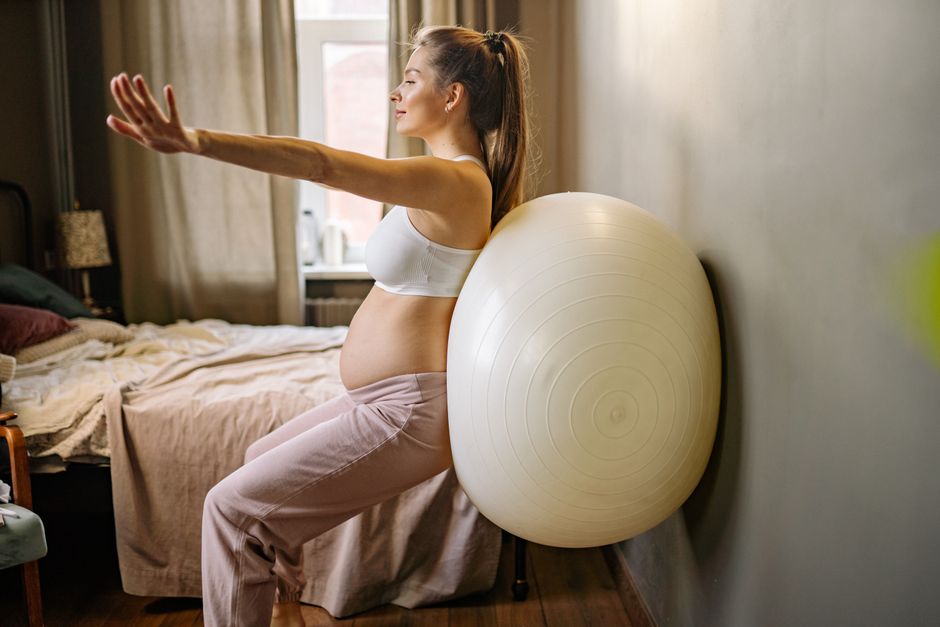
In this article, we’ll explore: Perineal muscle strength as a predictor of stress urinary incontinence among young parous women in Mangaluru India and why it matters today.
Related:
👉 Why the Uterine Lining Matters: New Insights into PCOS, Estrogen, and Histone Lactylation
👉 The One Supplement You’re Probably Missing for a Sharper Mind and a Stronger Body
👉 The Silent Struggle: Understanding Perineal Muscle Strength and Stress Urinary Incontinence in Young Mothers of Mangaluru
Imagine you’re at a beautiful beach wedding at Panambur Beach. The sun is setting, the air is salty, and you’re surrounded by friends and family. Someone tells a hilarious joke, and everyone bursts into laughter. But for Priya, a 28-year-old mother of two from the heart of Mangaluru, that moment of joy is shadowed by a flicker of anxiety. As she laughs, she feels a small, involuntary leak of urine. She quickly crosses her legs, her face flushing with more than just the evening heat.
If this story sounds familiar, you aren’t alone. In fact, thousands of young women across coastal Karnataka face this exact challenge every day. It’s called Stress Urinary Incontinence (SUI), and while it’s often whispered about in hushed tones behind closed doors, it’s a medical reality that deserves our attention.
Today, we’re diving deep into a topic that is finally getting the spotlight it deserves: perineal muscle strength as a predictor of stress urinary incontinence among young parous women in Mangaluru India. Understanding this connection isn’t just about medical data; it’s about reclaiming your quality of life.
What Exactly is Stress Urinary Incontinence (SUI)?
Before we get into the “why,” let’s talk about the “what.” Stress Urinary Incontinence isn’t about emotional stress (though it certainly causes plenty of it!). Instead, it refers to physical pressure—or “stress”—placed on the bladder. When you cough, sneeze, laugh, or lift something heavy (like a chubby toddler!), that pressure can cause urine to leak if the muscles supporting the bladder are weak.
For young parous women—women who have given birth—the body has undergone incredible changes. While childbirth is a miracle, it’s also a marathon for the pelvic floor. The perineal muscles, which form the base of your core, can become stretched or weakened, leading to those “oops” moments.
The Mangaluru Connection: Why This Study Matters Here
Mangaluru is a unique blend of traditional values and modern living. Women here are incredibly active—balancing careers, household management, and the physical demands of raising children in a bustling coastal city. However, there is often a cultural tendency to put one’s own health on the back burner.
Recent research focusing on perineal muscle strength as a predictor of stress urinary incontinence among young parous women in Mangaluru India has highlighted a significant gap in postpartum care. Many young mothers believe that leaking is just “part of the package” of motherhood. But the science tells us otherwise. By measuring the strength of these muscles, healthcare providers can actually predict who is at risk and intervene before the problem impacts a woman’s social life or mental health.
The “Hammock” Effect
Think of your perineal muscles as a sturdy hammock. This hammock holds your bladder, uterus, and bowel in place. When the hammock is tight and strong, everything stays where it should. But if the hammock starts to sag—due to the strain of pregnancy or the intensity of labor—the support system fails. In Mangaluru, where many women return to high-activity lifestyles shortly after childbirth, ensuring this “hammock” is reinforced is vital.
The Science of Prediction: How Strength Tells the Story
You might wonder, “How can muscle strength predict a leak?” It’s actually quite logical. When researchers and physiotherapists in Mangaluru assess young mothers, they look for specific indicators of muscle “tone” and “endurance.”
- Contraction Power: How hard can the muscle squeeze?
- Endurance: How long can the muscle hold that squeeze?
- Coordination: Does the muscle contract automatically when you cough?
The research into perineal muscle strength as a predictor of stress urinary incontinence among young parous women in Mangaluru India shows that women with lower pressure readings during these assessments are significantly more likely to experience SUI. It’s like a warning light on a car’s dashboard—it tells you that the system needs maintenance before a total breakdown occurs.
Real-Life Example: Kavitha’s Journey
Kavitha, a 31-year-old software engineer living in Bejai, noticed she started leaking while playing badminton—a sport she loved. She felt embarrassed to talk to her doctor, thinking she was “too young” for such problems. After all, isn’t incontinence something that happens to grandmothers?
When she finally sought help at a local clinic in Mangaluru, the therapist explained that her perineal muscles hadn’t fully recovered after her second delivery. By focusing on targeted strengthening exercises, Kavitha was able to return to the badminton court within three months, leak-free. Her story is a testament to why we need to stop the stigma and start the conversation.
Why Young Moms are Particularly Vulnerable
In the context of Mangaluru, several factors contribute to why young parous women are at the center of this issue:
1. The Physical Toll of Multiple Pregnancies
Many women in the region have children in relatively quick succession. This doesn’t give the pelvic floor muscles enough time to fully rehabilitate between pregnancies, leading to cumulative weakness.
2. Lack of Postpartum Physical Therapy
While “confinement” periods (the traditional rest period after birth) are common in Indian culture, they often focus on diet rather than functional muscle recovery. Traditional massages are great, but they don’t always target the deep perineal muscles needed to prevent SUI.
3. The “Superwoman” Syndrome
Young moms in Mangaluru often jump back into heavy lifting—carrying groceries up apartment stairs or lifting heavy water containers—without realizing their internal support system isn’t ready for the load.
How to Strengthen Your Perineal Muscles
If you suspect your muscle strength might be a predictor for SUI, the good news is that these muscles are just like any other muscle in your body—they can be trained! Here are a few ways to start:
- Kegel Exercises: The gold standard. But the key is doing them correctly. It’s not just a squeeze; it’s a “lift and tuck” motion.
- Pelvic Floor Physiotherapy: Mangaluru has some excellent hospitals and specialized clinics where therapists use biofeedback to show you exactly how your muscles are performing.
- Core Integration: Your perineal muscles don’t work in isolation. Strengthening your deep abdominals and breathing correctly during exertion can take the pressure off your bladder.
- Posture Awareness: Slumping puts extra pressure on the pelvic floor. Sitting tall can actually help your muscles engage naturally.
Key Takeaways for Women in Mangaluru
If you take away nothing else from this article, remember these three points:
- It is not “normal”: Leaking urine is common, but it is not a normal or permanent part of being a woman.
- Strength is a Predictor: Your perineal muscle strength as a predictor of stress urinary incontinence among young parous women in Mangaluru India is a scientific fact. Testing your strength early can save years of discomfort.
- Help is Local: You don’t need to travel to a metro city. Mangaluru’s medical community is well-equipped to handle pelvic health with sensitivity and expertise.
Conclusion: Reclaiming Your Joy
Living in a vibrant city like Mangaluru means you should be able to enjoy every bit of it—from the spicy fish curry at a family gathering to a long walk on Ullal beach—without worrying about where the nearest restroom is or if your clothes are dry.
By understanding that perineal muscle strength is a key predictor of SUI, we empower ourselves to take action. Don’t wait for the symptoms to get worse. Talk to a professional, start your exercises, and let’s break the silence together. You’ve given life; now it’s time to give yourself the care you deserve.
Frequently Asked Questions (FAQ)
1. Is SUI only caused by normal delivery?
No. While vaginal delivery is a major factor, the weight and pressure of pregnancy itself can weaken the perineal muscles. Even women who have had C-sections can experience SUI.
2. How long does it take to see results from strengthening exercises?
Consistency is key! Most women notice a significant improvement in 6 to 12 weeks of regular, correctly performed pelvic floor exercises.
3. Can diet affect SUI?
In Mangaluru, we love our coffee and spicy foods! However, caffeine and very spicy dishes can irritate the bladder, making SUI symptoms feel worse. Staying hydrated with water and maintaining a healthy weight also helps reduce pressure on the pelvic floor.
4. I’m only 25; am I too young for this?
Absolutely not. SUI is about muscle function, not age. If you are a “parous” woman (have given birth), your age doesn’t exempt you from the physical changes that occur during pregnancy and labor.
5. Where can I get tested in Mangaluru?
Most major hospitals in Mangaluru (like KMC, Father Muller, or AJ Hospital) have OB-GYN departments and physiotherapy units that specialize in women’s health and pelvic floor rehabilitation.
Written with love and assistance and refined for quality.