In this article, we’ll explore: Period poverty: causes and related issues and why it matters today.
Related:
👉 Why Every Woman’s Health Is Now a Global Priority: Diving Into the BcozSheMatters Campaign
👉 The Silent Struggle: Understanding Pelvic Health for Young Mothers in Mangaluru
👉 Why Getting Pregnant with PCOS is So Complex: Understanding the Science of Endometrial Receptivity
Learn more: Period poverty: causes and related issues on Wikipedia
Imagine being a fifteen-year-old girl sitting in a classroom. The bell rings, and your friends stand up to go to the next lesson. But you stay seated. You’re terrified to move because you’ve started your period, and you don’t have a pad or a tampon. You’re using folded-up toilet paper or an old rag, and you’re pretty sure it has leaked. Instead of focusing on your math test, your entire brain is consumed by one thought: How do I get home without anyone noticing?
This isn’t a scene from a movie set in the distant past. This is the daily reality for millions of people around the world. It’s called period poverty. While it sounds like a clinical term, it is a deeply personal, painful, and systemic issue that affects health, education, and human dignity. In this post, we’re going to dive deep into period poverty: causes and related issues, and look at why this “silent” crisis needs our attention right now.
What Exactly is Period Poverty?
At its simplest, period poverty is the lack of access to menstrual products, hygiene facilities, and reproductive health education. But if we look closer, it’s about much more than just “not having a pad.” It’s about the inequality that prevents people from managing a natural bodily function with dignity.
When someone can’t afford basic supplies, they are forced to make impossible choices. Do I buy a loaf of bread for my family, or do I buy a box of tampons? When the bread wins, the health and education of the individual lose. It is a cycle that traps people in a loop of shame and missed opportunities.
Period Poverty: Causes and Related Issues
To solve a problem, we have to understand where it comes from. The root causes of period poverty are layered, ranging from economic struggles to deep-seated cultural taboos.
1. The Financial Burden and Inflation
The most obvious cause is the cost. Menstrual products are expensive. Over a lifetime, a person can spend thousands of dollars on pads, tampons, and liners. For a family living below the poverty line, this is a massive recurring expense. In recent years, global inflation has made this even worse. As the price of raw materials increases, the price of a pack of pads climbs, making them a luxury item for many.
2. The “Pink Tax” and Unfair Taxation
In many parts of the world, menstrual products have historically been taxed as “luxury items” rather than essential necessities (like food or medicine). This is often called the Pink Tax. While many countries are finally removing these taxes, the legacy of this pricing structure has already contributed to decades of financial strain for low-income individuals.
3. Lack of Infrastructure and Clean Water
Period poverty isn’t just about the product; it’s about the place. You can have a menstrual cup, but if you don’t have access to clean, running water to wash it, or a private bathroom with a door that locks, you are still experiencing period poverty. In many developing nations and even in some rural areas of developed countries, the lack of private, safe sanitation facilities makes managing a period nearly impossible.
4. Stigma and the “Shame Factor”
We don’t talk about periods enough. This silence is a major cause of the problem. When periods are treated as “gross” or “secret,” people are less likely to ask for help when they can’t afford supplies. This stigma also means that governments and schools are less likely to prioritize funding for free products.
The Ripple Effect: How Period Poverty Impacts Lives
The consequences of period poverty extend far beyond the few days of a menstrual cycle. It creates a ripple effect that touches every part of a person’s life.
The Impact on Education
This is perhaps the most heartbreaking related issue. When girls can’t afford pads, they stay home from school. Research shows that in some parts of the world, girls miss up to 20% of the school year due to their periods. When you miss a week of school every single month, you fall behind. Eventually, many of these girls drop out entirely, limiting their future career prospects and keeping them in the cycle of poverty.
Health Risks and Dangerous Alternatives
When you don’t have access to safe products, you use what you can find. This includes:
- Old rags or clothing
- Newspapers or cardboard
- Dried leaves or husks
- Used socks or sponges
Using these unhygienic materials can lead to severe reproductive and urinary tract infections (UTIs). In extreme cases, leaving a DIY “tampon” in for too long can lead to Toxic Shock Syndrome (TSS), which is life-threatening. Period poverty is, quite literally, a public health crisis.
The Mental Health Toll
Living in constant fear of leaking or being “found out” takes a massive toll on mental health. It leads to anxiety, depression, and a loss of self-esteem. Imagine the psychological stress of having to navigate a workplace or a school while feeling “unclean” or unprepared. It strips away a person’s confidence and sense of agency.
Real-World Examples: A Global Perspective
To understand the scale, let’s look at how this manifests in different parts of the world.
In the United States: A study found that 1 in 4 teens in the US has struggled to afford period products. Many students rely on school nurses for supplies, but when schools closed during the pandemic, these students were left with no options. Even in a wealthy nation, the gap between the “haves” and “have-nots” is visible in the bathroom stall.
In Kenya: For many years, the high cost of pads meant that some young women were forced into “transactional sex” just to afford a packet of sanitary towels. This exposes them to HIV/AIDS and unplanned pregnancies, showing how period poverty can lead to even more dangerous social issues.
In Scotland: On a more positive note, Scotland became the first country in the world to make period products free for everyone. They recognized that these items are as essential as toilet paper and should be treated as such in public spaces. This set a global precedent for what is possible when the government takes action.
Breaking the Cycle: What Can Be Done?
Solving period poverty requires a multi-pronged approach. It’s not just about donating a box of pads (though that helps!). It’s about changing systems.
- Policy Changes: Governments should mandate free period products in all schools, prisons, and homeless shelters. Removing the VAT or sales tax on these items is a necessary first step.
- Education for All: We need to teach menstrual health to everyone—not just girls. When boys and men understand periods, the stigma begins to fade, and support increases.
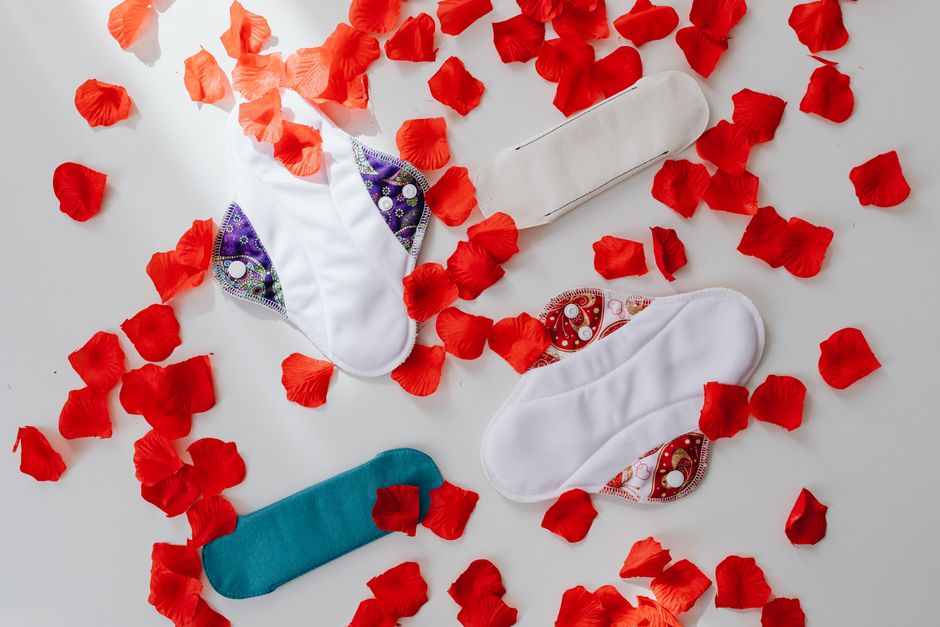
- Sustainable Options: Promoting reusable products like menstrual cups or period underwear can be a game-changer for long-term affordability, provided there is access to clean water.
- Normalizing the Conversation: The more we talk about period poverty: causes and related issues, the less power the stigma has. We need to treat periods as a normal health function, not a taboo.
Key Takeaways
- Period poverty is the lack of access to products, education, and sanitation.
- The primary causes include high costs, the “Pink Tax,” and lack of infrastructure.
- It leads to significant issues like school absenteeism, health infections, and mental health struggles.
- Economic inflation is currently making the crisis worse for low-income families.
- Global solutions include policy changes, free products in public spaces, and ending the social stigma.
Frequently Asked Questions
Is period poverty only a problem in developing countries?
No. Period poverty is a global issue. While it may look different in various regions, people in the US, UK, Canada, and Australia also struggle to afford products. In these countries, it is often tied to homelessness or low-income status.
How does period poverty affect the economy?
When people miss school or work because of their periods, the economy loses productivity. Furthermore, the health complications arising from poor menstrual hygiene put an additional strain on public healthcare systems.
What can I do to help?
You can donate products to local food banks or shelters, support NGOs that work on menstrual equity, and advocate for free products in your local school district or workplace. Most importantly, speak up and help normalize the conversation about periods.
Can menstrual cups solve period poverty?
Menstrual cups are a great long-term solution because they last for years. However, they aren’t a “silver bullet” because they require access to clean water and a private space for sterilization, which many people facing period poverty do not have.
Final Thoughts
Period poverty is a quiet thief. It steals education from young girls, it steals health from women, and it steals dignity from anyone who menstruates. But unlike many global crises, this one is solvable. By addressing the period poverty: causes and related issues through better policy, education, and empathy, we can ensure that a natural biological process never stands in the way of someone’s potential again.
Let’s stop whispering about periods and start shouting for change.
Written with love and assistance and refined for quality.
🔗 Related: Perineal muscle strength as a predictor…