In this article, we’ll explore: 14 New Weight Loss Drugs and why it matters today.
Related:
👉 She Was Out to Change the World and She Said So: The Death of Feminist Leader Gloria Steinem Reminds Us of What Is at Stake
👉 I Feel More Comfortable Asking Questions: How We Worked With Mosques to Talk With Muslim Women About Reproductive Health
👉 Beyond the Silence: Why Perineal Muscle Strength Matters for Young Mothers in Mangaluru
Learn more: 14 New Weight Loss Drugs on Google Search
Let’s be honest: for decades, the advice for losing weight hasn’t changed much. “Eat less, move more.” But for millions of people, it’s never been that simple. Biology often has a way of fighting back against willpower. You’ve probably seen the headlines lately—weight loss is undergoing a massive scientific revolution. We are no longer just talking about fad diets; we are talking about medical breakthroughs.
Take Sarah, for example. Sarah is a 45-year-old teacher who spent twenty years on the “dieting rollercoaster.” She’d lose 20 pounds, her hunger would skyrocket, and her metabolism would slow down until the weight inevitably came back. It wasn’t a lack of discipline; it was her hormones. When she finally spoke to her doctor about the 14 new weight loss drugs hitting the market, she realized that for the first time, science was catching up to the complexity of the human body.
In this guide, we’re going to break down the landscape of modern obesity medicine. Whether they are already on pharmacy shelves or currently in late-stage clinical trials, these 14 new weight loss drugs are changing everything we thought we knew about shedding pounds.
Why the Sudden Explosion in Weight Loss Meds?
You might be wondering, “Where did all these drugs come from?” The answer lies in a hormone called GLP-1 (glucagon-like peptide-1). Scientists discovered that this hormone, naturally produced in our gut, tells our brain we’re full and tells our stomach to slow down. By mimicking this hormone, new medications can effectively “turn off” the constant noise of hunger.
But the innovation didn’t stop there. The newest generation of drugs targets two or even three different hormones at once, leading to weight loss results that were previously only seen with bariatric surgery.
The Heavy Hitters: FDA-Approved and Leading the Way
These are the names you’ve likely heard in the news. They have set the gold standard for what modern weight loss looks like.
1. Wegovy (Semaglutide)
Wegovy is perhaps the most famous of the bunch. Approved specifically for chronic weight management, it’s a weekly injection that helps users lose, on average, about 15% of their body weight. It works by mimicking the GLP-1 hormone, making you feel fuller faster and for longer.
2. Zepbound (Tirzepatide)
If Wegovy opened the door, Zepbound kicked it down. Zepbound is a “dual agonist,” meaning it targets two hormones: GLP-1 and GIP. This “twin-cretin” approach is even more powerful, with clinical trials showing patients losing up to 21-22% of their body weight. It’s currently considered one of the most effective options on the market.
3. Saxenda (Liraglutide)
While a bit older than the others, Saxenda paved the way. It requires a daily injection rather than a weekly one. While the weight loss is slightly more modest (around 8-10%), it remains a reliable option for those who may not tolerate the newer, more potent medications.
The Oral Revolution: No More Needles?
One of the biggest hurdles for many people is the “ick factor” of self-injection. The pharmaceutical world is racing to put these powerful hormones into a simple daily pill.
4. Rybelsus (Oral Semaglutide)
Rybelsus is essentially the pill version of the drug found in Ozempic. While currently FDA-approved primarily for Type 2 diabetes, higher-dose versions are being tested specifically for weight loss. It’s a game-changer for people who travel often or simply hate needles.
5. Orforglipron
This is one of the most exciting “ones to watch.” Developed by Eli Lilly, Orforglipron is a non-peptide GLP-1 receptor agonist. Because it’s not a peptide, it’s much easier to manufacture and more stable in the stomach, meaning it could eventually be cheaper and more accessible than current injections.
6. Danuglipron
Pfizer is also in the race with Danuglipron. Like Orforglipron, this is an oral GLP-1 drug. Early data suggests it can produce significant weight loss, though researchers are currently fine-tuning the dosage to minimize side effects like nausea.
The “Triple G” and Multi-Hormone Attack
Why target one hormone when you can target three? This is the cutting edge of the 14 new weight loss drugs we are seeing today.
7. Retatrutide (The “Triple G”)
Retatrutide is currently the “superstar” of clinical trials. It targets GLP-1, GIP, and Glucagon. By adding that third hormone—glucagon—the drug not only suppresses appetite but also increases the body’s energy expenditure (calorie burning). In mid-stage trials, participants lost a staggering 24% of their body weight in just 48 weeks.
8. CagriSem
This is a “fixed-dose combination” of Semaglutide (Wegovy) and a new drug called Cagrilintide. Cagrilintide mimics amylin, a hormone that helps regulate fullness. By attacking weight from two different angles, CagriSem aims to produce deeper weight loss than Wegovy alone.
9. Survodutide
Survodutide is a dual agonist that targets GLP-1 and glucagon receptors. It’s showing great promise not just for weight loss, but also for treating MASH (a type of fatty liver disease). This highlights a trend: these drugs aren’t just about the scale; they are about overall metabolic health.
The Pipeline Contenders: What’s Coming Next?
The pharmaceutical pipeline is full of innovations that aim to make weight loss more sustainable, with fewer side effects.
10. Mazdutide
Primarily being developed in China, Mazdutide is another dual GLP-1 and glucagon receptor agonist. Early trials have shown impressive results in a very short amount of time, making it a strong contender for global markets in the coming years.
11. Amycretin
Novo Nordisk (the makers of Wegovy) is working on Amycretin, a drug that combines GLP-1 and amylin into a single molecule. What makes this one special is the early data showing it might be even more potent than Wegovy, potentially available in both injectable and oral forms.
12. Pemvidutide
Developed by Altimmune, Pemvidutide is a dual GLP-1/glucagon agonist. What sets it apart in early trials is its ability to preserve lean muscle mass while losing fat—a major concern for people on these medications.
13. MariTide
Amgen is taking a different approach with MariTide. It’s an antibody-peptide conjugate. The goal here isn’t just weight loss, but *long-term maintenance*. Early data suggests that people might only need to take this drug once a month, or even less frequently, once they reach their goal weight.
14. Ecnoglutide
Ecnoglutide is a long-acting GLP-1 analog currently in Phase 3 trials. It’s designed to be highly potent with a potentially better side-effect profile, offering another alternative for those who find current medications difficult to tolerate.
Is This the End of Diet and Exercise?
With all this talk about “miracle drugs,” it’s easy to think that the gym is a thing of the past. But every doctor will tell you the same thing: these medications are a *tool*, not a replacement.
Think of it like this: if you’re trying to build a house, these 14 new weight loss drugs are the power tools. They make the job much faster and more efficient. But you still need the blueprint (nutrition) and the labor (movement) to make sure the house is sturdy and lasts a lifetime.
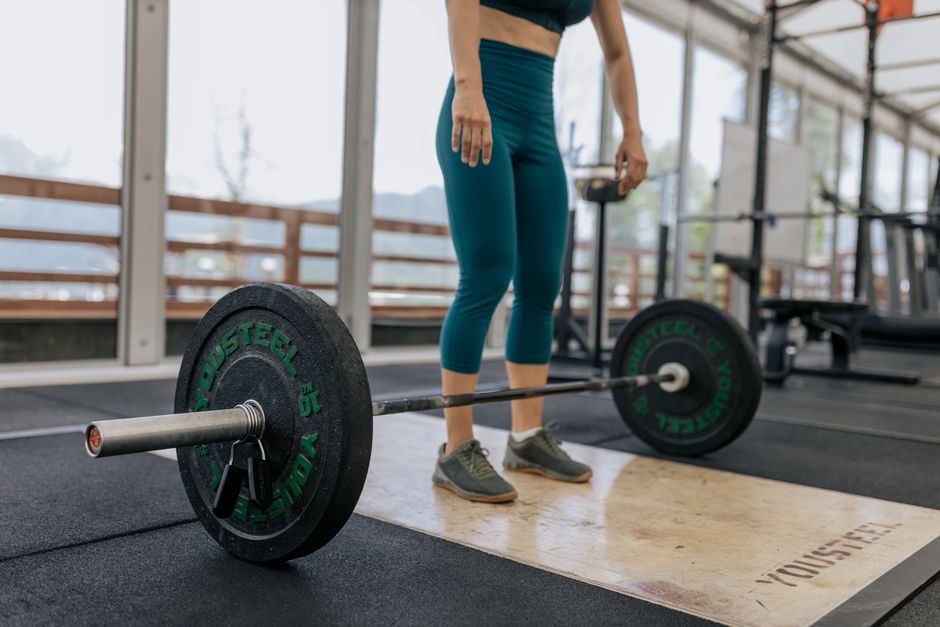
One of the biggest challenges with these drugs is “muscle wasting.” When you lose weight rapidly, your body often burns muscle alongside fat. That’s why strength training and high protein intake are more important now than ever before.
- Muscle Preservation: Lift weights to tell your body to keep its muscle.
- Nutrient Density: Since you’ll be eating less, every bite needs to count. Focus on vitamins and minerals.
- Hydration: These medications can often lead to dehydration, so keep that water bottle handy.
Key Takeaways
- The landscape of weight loss has shifted from “willpower” to “biology.”
- There are currently 14 new weight loss drugs (and counting) that are either available now or in advanced testing stages.
- Drugs like Wegovy and Zepbound are the current leaders, but oral pills and “triple agonists” like Retatrutide are the future.
- These medications work by mimicking gut hormones that control hunger and satiety.
- Medical supervision is essential, as these drugs can have side effects like nausea and require lifestyle changes to maintain results.
Frequently Asked Questions
Are these weight loss drugs safe for long-term use?
Most of the newer medications are designed for chronic weight management, meaning they are intended for long-term use. However, because many are so new, researchers are still gathering data on their effects over 10 or 20 years. Always consult with a healthcare provider.
What are the most common side effects?
The most common issues are gastrointestinal, including nausea, vomiting, diarrhea, and constipation. These usually subside as the body adjusts to the medication and as the dosage is slowly increased.
Will I gain the weight back if I stop taking them?
Clinical trials show that many people do regain weight after stopping the medication. This is because the drug is treating a chronic biological condition. For many, a “maintenance dose” or permanent lifestyle changes are necessary to keep the weight off.
Are these drugs covered by insurance?
Coverage varies wildly. Some employer-sponsored plans cover them, while others do not. Many manufacturers offer savings cards to help reduce the out-of-pocket cost, which can otherwise be over $1,000 per month.
Can I get these drugs without a prescription?
No. These are powerful medical treatments that require a prescription and regular monitoring by a doctor to ensure they are being used safely and effectively.
The bottom line? We are living in a historic moment for health. For people like Sarah, and millions of others, these 14 new weight loss drugs represent more than just a smaller waistline—they represent a chance at a longer, healthier life where they are finally in control of their own biology.
Written with love and assistance and refined for quality.