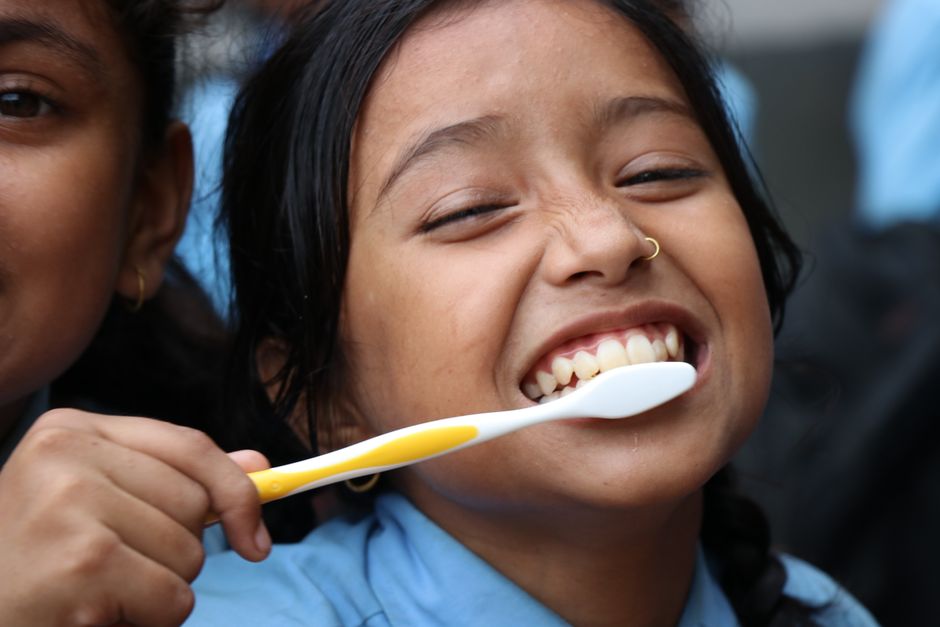
In this article, we’ll explore: BcozSheMatters: WHO Health Ministry roll out campaign on women and girls health and well-being and why it matters today.
Related:
👉 Beyond the Bench Press: Why Creatine is the Secret Wellness Weapon You’re Missing
👉 The Silent Crisis: Understanding Period Poverty, Its Causes, and Related Issues
👉 The Silent Risk: Why Menopause and GLP-1 Drugs Are a Perfect Storm for Bone Loss in Women
Learn more: BcozSheMatters: WHO Health Ministry roll out campaign on women and girls health and well-being on Wikipedia
Imagine a small village where a young girl named Meera lives. Meera is bright, loves to paint, and dreams of becoming a doctor. But every month, she misses three days of school. Why? Because she lacks access to basic menstrual hygiene products and feels a deep sense of shame about a natural process. Now, shift your perspective to a bustling city where a high-flying executive named Sarah is struggling with postpartum depression. She feels isolated, despite being surrounded by people, because mental health for women is still often whispered about in corridors rather than discussed in clinics.
These stories aren’t just anecdotes; they are the daily realities for millions of women and girls globally. This is exactly why the recent announcement of the BcozSheMatters: WHO Health Ministry roll out campaign on women and girls health and well-being is more than just a headline—it is a lifeline. This initiative isn’t just about distributing medicine; it’s about changing the narrative around what it means to be a healthy woman in the modern world.
In this post, we’re going to dive deep into what this campaign actually means for you, your sisters, your mothers, and your daughters. We’ll look at the pillars of the program, why the timing is so critical, and how it aims to bridge the gap between policy and the person on the street.
What Exactly is the BcozSheMatters Campaign?
At its core, the BcozSheMatters: WHO Health Ministry roll out campaign on women and girls health and well-being is a comprehensive framework designed to tackle the unique health challenges faced by females throughout their life cycle. For too long, “women’s health” was used as a synonym for “maternal health.” While having a safe pregnancy is vital, a woman’s health journey starts long before she becomes a mother and continues long after.
The campaign is a collaborative effort between the World Health Organization and national Health Ministries to ensure that healthcare systems are “gender-responsive.” This means recognizing that a woman’s body, her societal roles, and her economic status all play a part in her physical and mental health. It’s not just about treating a disease; it’s about fostering well-being.
Breaking the Silence on Taboo Topics
One of the most refreshing aspects of this rollout is its willingness to tackle taboos. From menstrual health to menopause, the campaign aims to bring “hush-hush” topics into the mainstream light. By normalizing these conversations, the WHO and the Health Ministry are helping to strip away the stigma that often prevents women from seeking help.
- Menstrual Dignity: Providing access to clean water, private spaces, and affordable products in schools and workplaces.
- Menopause Support: Recognizing that the transition out of reproductive years involves significant physical and mental shifts that require medical and social support.
- Sexual Health: Empowering girls with knowledge about their bodies to prevent unwanted pregnancies and STIs.
The Four Pillars of the BcozSheMatters Initiative
To understand the scale of this campaign, we need to look at its foundational pillars. The “BcozSheMatters: WHO Health Ministry roll out campaign on women and girls health and well-being” isn’t a one-size-fits-all solution; it’s a multi-layered approach.
1. Preventive Care and Early Screening
Prevention is always better than cure, but for many women, screening is a luxury they feel they can’t afford—either in terms of time or money. The campaign focuses on making screenings for breast cancer, cervical cancer, and osteoporosis more accessible. Imagine a mobile clinic visiting a rural area, offering free Pap smears and bone density checks. That is the “BcozSheMatters” spirit in action.
2. Nutritional Security
Anemia remains a massive hurdle for women and girls. Whether it’s due to poor diet or heavy menstrual cycles, low iron levels lead to fatigue, reduced productivity, and complications during pregnancy. This pillar focuses on fortifying foods and providing supplements to adolescent girls, ensuring they have the “fuel” to succeed in school and life.
3. Mental Health and Emotional Resilience
Women are statistically more likely to experience anxiety and depression, often due to the “double burden” of professional work and domestic labor. The campaign integrates mental health services into primary care. This means when a woman goes for a routine check-up, she is also asked about her stress levels and emotional state. It treats the mind and body as one.
4. Maternal and Reproductive Excellence
While the campaign looks beyond motherhood, it certainly doesn’t ignore it. The goal here is “Zero Preventable Deaths.” By improving the quality of prenatal care and ensuring every birth is attended by a skilled professional, the campaign aims to make the miracle of life safe for everyone involved.
Real-World Impact: Why This Matters Now
Let’s talk about “The Ripple Effect.” When a woman is healthy, her entire family thrives. Research consistently shows that women reinvest 90% of their income back into their families. When a mother is healthy enough to work and a daughter is healthy enough to stay in school, the economic trajectory of a whole community changes.
Take the example of a community health worker named Fatima. Before the BcozSheMatters: WHO Health Ministry roll out campaign on women and girls health and well-being reached her district, she struggled to convince families to let their daughters attend health workshops. Now, with the campaign’s official backing and celebrity-led awareness drives, she finds the doors are swinging open. Parents are realizing that their daughter’s health is an investment, not an expense.
The Role of Digital Health
In today’s world, a smartphone can be a powerful medical tool. Part of this campaign involves the rollout of “SheHealth” apps and tele-consultation services. For a woman in a remote area, being able to chat with a gynecologist via a video call can be life-saving. It removes the barrier of travel and the fear of being seen entering a “specialized” clinic.
The Challenges Ahead: It’s Not All Smooth Sailing
While the “BcozSheMatters: WHO Health Ministry roll out campaign on women and girls health and well-being” is a massive step forward, we have to be realistic about the hurdles. Changing laws is easy; changing mindsets is hard.
- Cultural Barriers: In many regions, the husband or father still makes the healthcare decisions for the women in the house.
- Infrastructure: A campaign is only as good as the roads that lead to the clinics and the electricity that keeps the vaccines cold.
- Funding: Sustaining a long-term campaign requires consistent political will and budget allocation.
However, the beauty of the “BcozSheMatters” initiative is its focus on community leaders. By involving local influencers, religious leaders, and teachers, the campaign aims to dismantle these barriers from the inside out.
How Can You Support the Movement?
You don’t have to be a doctor or a politician to make a difference. The BcozSheMatters: WHO Health Ministry roll out campaign on women and girls health and well-being is a collective effort. Here is how you can contribute:
Educate Yourself and Others: Share verified information about women’s health. If you hear a myth (like “exercise during periods is bad”), gently correct it with facts.
Advocate at Work: If you are in a leadership position, ensure your workplace has policies that support women’s health, such as menstrual leave or nursing rooms.
Check on the Women in Your Life: Sometimes, the most powerful thing you can do is ask, “How are you really doing?” and listen without judgment.
Key Takeaways
- The BcozSheMatters campaign is a holistic approach by the WHO and Health Ministry to address women’s health at every age.
- It moves beyond just maternal care to include mental health, nutrition, and preventive screenings.
- Digital health and community involvement are central to reaching remote populations.
- The campaign aims to break social stigmas surrounding menstruation and menopause.
- A healthy woman is the foundation of a healthy economy and society.
Frequently Asked Questions (FAQ)
1. Who is the primary target of the BcozSheMatters campaign?
The campaign targets all women and girls, from early adolescence through to old age. It specifically focuses on underserved communities where access to healthcare is limited.
2. How does this campaign differ from previous health initiatives?
Unlike previous programs that focused on specific diseases or just maternal health, “BcozSheMatters” takes a life-cycle approach, recognizing that health needs change as a woman grows, and it emphasizes mental well-being alongside physical health.
3. Is the BcozSheMatters campaign active in my country?
Since this is a WHO-led initiative rolled out via national Health Ministries, you should check your local Ministry of Health website for specific launch dates and local programs in your region.
4. Can men participate in this campaign?
Absolutely! Men play a crucial role as allies, fathers, partners, and policymakers. The campaign encourages men to support the health and well-being of the women in their lives and to help dismantle harmful gender stereotypes.
5. What are the most common screenings recommended by the campaign?
The campaign emphasizes regular screenings for cervical cancer (Pap smears), breast cancer (mammograms/self-exams), blood pressure, and blood sugar levels to prevent chronic lifestyle diseases.
Final Thoughts
The BcozSheMatters: WHO Health Ministry roll out campaign on women and girls health and well-being is a testament to the fact that we are finally acknowledging a simple truth: the world cannot thrive if half of its population is held back by preventable health issues. This isn’t just a “women’s issue”—it’s a human issue.
By investing in the health of girls and women, we are investing in a more resilient, productive, and compassionate world. So, the next time you see the #BcozSheMatters hashtag or hear about a local health drive, remember that it’s not just about a campaign; it’s about a girl named Meera staying in school and a mother named Sarah finding the courage to ask for help. It’s about making sure that every woman knows her health is a priority, not an afterthought.
Written with love and assistance and refined for quality.
🔗 Related: A perfect storm for bone loss…
🔗 Related: Perineal muscle strength as a predictor…
🔗 Related: Yes Creatine Can Help With StrengthBut…