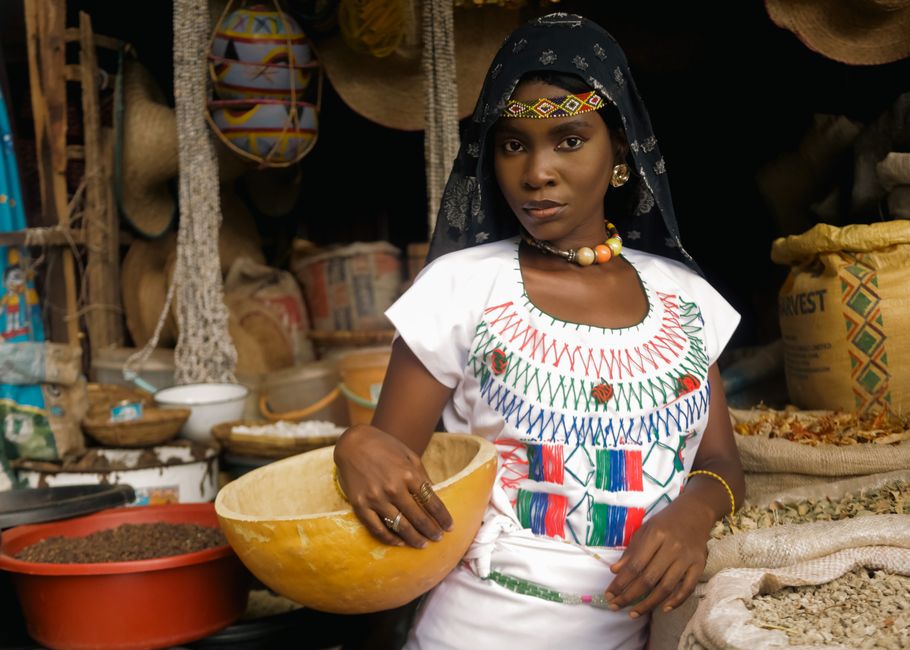
In this article, we’ll explore: BcozSheMatters: WHO Health Ministry roll out campaign on women and girls health and well-being and why it matters today.
Related:
👉 Breaking the Silence: Understanding Period Poverty, Its Causes, and the Real Issues Behind It
👉 The Hidden Risk: Why Menopause and GLP-1 Drugs Create a Perfect Storm for Bone Loss in Women
👉 Why Her Health Changes Everything: A Deep Dive into the BcozSheMatters: WHO Health Ministry roll out campaign on women and girls health and well-being
Learn more: BcozSheMatters: WHO Health Ministry roll out campaign on women and girls health and well-being on Wikipedia
Think about the women in your life for a moment. Your mother, who perhaps never took a day off even when she was feeling under the weather. Your sister, who balances a demanding career with the pressures of modern life. Your daughter, who is navigating a world that is faster and more complex than the one we grew up in. For too long, women’s health has been treated as a “side issue” or something that only matters during pregnancy. But that is finally changing.
The World Health Organization (WHO) and the Ministry of Health have recently joined forces to launch a transformative initiative. The BcozSheMatters: WHO Health Ministry roll out campaign on women and girls health and well-being is more than just a catchy hashtag or a series of posters in a clinic. It is a massive, ground-level shift in how we view, treat, and prioritize the physical and mental health of half the world’s population.
In this post, we are going to break down what this campaign actually means for you, your family, and your community. We’ll look at why this matters right now and how it aims to fix the gaps that have existed in healthcare for decades.
What is the BcozSheMatters Campaign All About?
At its heart, the “BcozSheMatters” campaign is built on a simple but radical idea: a woman’s health is the foundation of a healthy society. When a girl is healthy, she stays in school. When a mother is healthy, her children thrive. When a woman is healthy, she contributes to the economy and her community.
The BcozSheMatters: WHO Health Ministry roll out campaign on women and girls health and well-being focuses on a “life-course approach.” This means the campaign isn’t just looking at one stage of life. It’s looking at the entire journey—from infancy and adolescence through the reproductive years and into healthy aging and menopause.
Closing the “Gender Health Gap”
For years, medical research often ignored women. Did you know that for a long time, most clinical trials were conducted primarily on men? This led to a “gender health gap” where we knew less about how diseases like heart disease or certain cancers affected women specifically. This campaign is a direct response to that gap, ensuring that healthcare systems are designed with women’s unique biology and life experiences in mind.
The Core Pillars of the Campaign
The WHO and the Health Ministry have identified four key areas where they want to see immediate and lasting change. These aren’t just abstract goals; they are practical shifts in how healthcare is delivered.
1. Maternal and Reproductive Health Excellence
While we have made strides in maternal health, many women still face risks during childbirth that are entirely preventable. The campaign aims to provide better access to prenatal care, skilled birth attendants, and postpartum support. But it goes further—it also emphasizes the importance of reproductive choice and access to family planning, ensuring women have the power to make decisions about their own bodies.
2. Mental Health and Emotional Well-being
This is perhaps one of the most important parts of the BcozSheMatters initiative. Women are statistically more likely to experience anxiety and depression, often due to societal pressures, caregiving burdens, and hormonal changes. The campaign is working to de-stigmatize mental health help. Imagine a world where a mother can walk into a local clinic and talk about her postpartum blues without fear of judgment. That is the goal here.
3. Nutrition and Lifestyle
Anemia and malnutrition still affect millions of girls worldwide, impacting their growth and cognitive development. The campaign focuses on nutritional education and providing supplements where needed. It also encourages active lifestyles to combat the rising rates of non-communicable diseases like diabetes and hypertension among women.
4. Prevention and Early Detection of Cancers
Cervical and breast cancers are two of the biggest threats to women’s health, yet they are highly treatable if caught early. The campaign is rolling out massive screening programs, making it easier and cheaper (or free) for women to get regular check-ups. Early detection doesn’t just save lives; it saves families.
Real-World Impact: The Story of Maya
To understand why the BcozSheMatters: WHO Health Ministry roll out campaign on women and girls health and well-being is so vital, let’s look at a hypothetical (but very common) story.
Maya is a 32-year-old woman living in a semi-urban area. She works in a local shop and has two young children. For months, Maya felt a persistent fatigue and a dull ache in her back. She ignored it, thinking it was just the “stress of being a mom.” She didn’t want to spend money on a doctor’s visit that might be “nothing.”
Under the new BcozSheMatters initiative, Maya’s local community center hosted a “Women’s Health Day.” It was free, and there was childcare provided. Maya went, mostly for the free vitamins they were offering. While there, a nurse performed a routine screening and noticed Maya was severely anemic and had high blood pressure. Because of the campaign’s focus on integrated care, Maya was immediately put on a treatment plan and given a follow-up appointment with a nutritionist.
Six months later, Maya has her energy back. She’s more productive at work and has more patience with her kids. This is the “ripple effect” of the campaign. When you help one Maya, you help an entire household.
Breaking the Taboos: Menstrual Health and Hygiene
We can’t talk about women’s health without talking about periods. In many parts of the world, menstruation is still treated with shame or as something to be hidden. This “period poverty” and lack of education lead to girls missing school and women facing infections.
The BcozSheMatters campaign is tackling this head-on. By partnering with schools and local ministries, the initiative is ensuring that:
- Girls have access to clean, private toilets in schools.
- Menstrual products are affordable and accessible.
- The “shame” factor is removed through community education sessions that include men and boys.
How Technology is Powering the Campaign
The WHO and Health Ministry aren’t just using old-school methods. They are leveraging technology to reach women who might be isolated.
- Telemedicine: Women in rural areas can now consult with specialists via video calls, reducing the need for long, expensive journeys.
- Health Apps: The campaign is promoting apps that help women track their cycles, monitor pregnancy milestones, and even access mental health resources.
- SMS Alerts: Simple text messages are being used to remind mothers about vaccination dates for their children and screening dates for themselves.
The Role of Men and Boys in #BcozSheMatters
One of the most refreshing aspects of this campaign is that it doesn’t exclude men. In many cultures, men are the primary decision-makers regarding household finances. If a man doesn’t understand the importance of his wife getting a pap smear or his daughter receiving the HPV vaccine, those things might not happen.
The campaign includes “Community Dialogues” where men are invited to learn about the health challenges women face. When men become allies in healthcare, the barriers to access start to crumble. It’s about building a supportive environment where “She Matters” to everyone in the family.
Key Takeaways from the BcozSheMatters Initiative
If you only remember a few things about this massive rollout, let it be these:
- Holistic Approach: It’s not just about physical health; mental and emotional well-being are equally prioritized.
- Accessibility: The goal is to bring healthcare to the woman’s doorstep, whether through mobile clinics or digital tools.
- Prevention over Cure: There is a massive push for early screenings for cancers and lifestyle diseases.
- Empowerment: By providing education, the campaign empowers women to take charge of their own health decisions.
- Economic Impact: Investing in women’s health is recognized as a key driver for national economic growth.
The Road Ahead: What Can You Do?
You might be wondering, “This sounds great for the government, but what can I do?” The truth is, the success of the BcozSheMatters: WHO Health Ministry roll out campaign on women and girls health and well-being depends on all of us.
First, educate yourself and the women in your life. Share information about screenings and health rights. Second, advocate for change in your local workplace or community. Does your office have a private space for nursing mothers? Does your local school provide hygiene products? Small changes at the local level support the big goals of the WHO.
Finally, prioritize yourself. If you are a woman reading this, remember that your health isn’t a luxury—it’s a necessity. Don’t wait for a crisis to seek care. Take advantage of the programs being rolled out because, quite simply, you matter.
Frequently Asked Questions (FAQ)
1. Who is eligible for the services under the BcozSheMatters campaign?
The campaign is designed to be inclusive of all women and girls, regardless of age, socioeconomic status, or location. While some specific programs might target high-risk groups, the overall initiative aims for universal health coverage.
2. Is the campaign only focused on physical health?
No! One of the biggest wins of this campaign is its heavy emphasis on mental health. It recognizes that issues like anxiety, depression, and the mental load of caregiving are significant health concerns that need professional support.
3. How does this campaign address the needs of elderly women?
The “life-course approach” means that menopause, osteoporosis, and geriatric care are all part of the plan. The campaign aims to ensure that women age with dignity and have access to the specific healthcare they need in their later years.
4. Where can I find a clinic participating in this rollout?
Most government-run health centers and many NGO-partnered clinics are part of this network. You can check the official Ministry of Health website or the WHO regional portal for a map of participating facilities and upcoming “Health Day” events.
5. Is there a cost associated with the screenings?
A major goal of the BcozSheMatters campaign is to reduce financial barriers. Many of the screenings (like those for cervical cancer or basic blood work) are provided free of charge or at a highly subsidized rate at government facilities.
The BcozSheMatters: WHO Health Ministry roll out campaign on women and girls health and well-being is a beacon of hope. It’s a reminder that when we invest in women, we aren’t just helping individuals—we are healing the world. Let’s make sure we keep this conversation going, not just today, but every day.
Written with love and assistance and refined for quality.
🔗 Related: A perfect storm for bone loss…
🔗 Related: Perineal muscle strength as a predictor…
🔗 Related: Yes Creatine Can Help With StrengthBut…