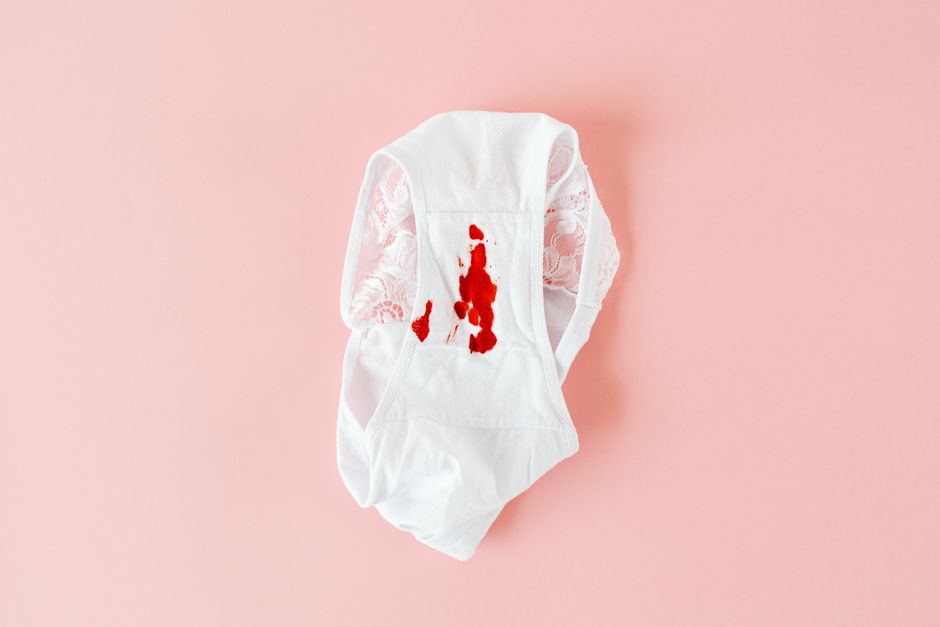
In this article, we’ll explore: Period poverty: causes and related issues and why it matters today.
Related:
👉 The Hidden Risk to Your Skeleton: Why Menopause and GLP-1s Are a "Perfect Storm" for Bone Loss
👉 Why Women’s Health is Finally Getting the Spotlight: BcozSheMatters: WHO Health Ministry roll out campaign on women and girls health and well-being
👉 Why Pelvic Health Matters: Perineal Muscle Strength as a Predictor of Stress Urinary Incontinence Among Young Parous Women in Mangaluru India
Learn more: Period poverty: causes and related issues on Investopedia
Imagine for a moment that you are a fifteen-year-old girl named Maya. You’re sitting in your tenth-grade math class, and you feel that familiar, unmistakable cramp. You realize your period has started. But instead of reaching into your backpack for a pad or a tampon, your heart sinks because you know there isn’t one there. Your family had to choose between buying groceries and buying menstrual products this month. The groceries won.
Maya now faces a choice: she can use bundled-up toilet paper that will likely leak, or she can pretend she’s sick and go home, missing two or three days of school every single month. This isn’t a scene from a movie set in the distant past; it is a daily reality for millions of people globally. This is the heart of period poverty: causes and related issues that stretch far beyond just a lack of money.
In this post, we’re going to dive deep into what period poverty actually looks like, why it’s happening in both wealthy and developing nations, and how it creates a cycle of inequality that affects everyone.
What Exactly is Period Poverty?
When we talk about period poverty, most people immediately think of the cost of pads and tampons. While that is a huge part of it, the definition is actually much broader. Period poverty is the lack of access to menstrual products, hygiene facilities, waste management, and the education needed to manage a period with dignity.
It’s a global health crisis that is often hidden behind a veil of “polite” silence. Because periods are still considered a taboo topic in many cultures, the struggle of those who cannot afford to manage them often goes unnoticed and unsupported.
Period Poverty: Causes and Related Issues Explained
To fix a problem, we first have to understand what’s driving it. The causes of period poverty are complex and layered, often feeding into one another. Here are the primary drivers:
1. The High Cost of Menstrual Products
This is the most obvious cause. In many parts of the world, menstrual products are treated as “luxury items” rather than basic necessities. When inflation hits and the price of bread goes up, the price of pads goes up too. For a family living below the poverty line, spending $10 to $15 a month on period products for multiple family members is simply not feasible.
2. The “Pink Tax” and Unfair Taxation
In many regions, menstrual products are still subject to value-added tax (VAT) or sales tax, while other “necessities” like Viagra or certain snacks are exempt. This is often called the “Pink Tax.” It’s an institutionalized form of gender-based price discrimination that makes period poverty even harder to escape.
3. Lack of Clean Water and Private Facilities
You can have all the pads in the world, but if you don’t have a private bathroom with clean running water and a way to dispose of waste, you are still experiencing period poverty. In many schools and workplaces globally, there are no private stalls or sinks, forcing people to stay home to maintain their hygiene and privacy.
4. Cultural Stigma and the “Shame” Factor
In some cultures, menstruation is seen as “dirty” or “impure.” This stigma prevents people from talking about their needs. If a young girl is too ashamed to tell her father or teacher that she needs help, she suffers in silence. This lack of conversation also means that many people grow up without basic biological education about their own bodies.
The Ripple Effect: Related Issues Stemming from Period Poverty
Period poverty doesn’t exist in a vacuum. It triggers a domino effect that impacts education, health, and the economy. When we look at period poverty: causes and related issues, we see how one monthly event can derail a person’s entire life path.
Education Disruption
One of the most heartbreaking consequences of period poverty is the impact on education. Statistics show that in many developing countries, one in ten girls misses school during her period. Over time, these absences add up, leading to lower grades and a higher likelihood of dropping out entirely. When girls stay in school, they have better economic prospects, better health outcomes, and more agency over their lives. Period poverty takes that away.
Serious Health Risks
When someone cannot afford proper pads or tampons, they are forced to use “make-do” materials. This includes old rags, newspapers, husks, or even sand wrapped in cloth. These materials are not sterile and can lead to:
- Urinary tract infections (UTIs)
- Bacterial vaginosis
- Reproductive tract infections
- In extreme cases, Toxic Shock Syndrome (TSS)
These health issues then require medical treatment, which the person likely cannot afford, creating a secondary layer of financial strain.
Mental Health and Dignity
The psychological toll of period poverty is immense. Imagine the constant anxiety of “bleeding through” your clothes in public because you are using a makeshift pad. The loss of dignity and the constant fear of discovery lead to isolation, depression, and a loss of self-esteem. No one should feel “less than” because of a natural biological process.
Real-World Examples: It’s Closer Than You Think
Many people assume this is only a problem in “third-world” countries. That is a myth. Let’s look at two very different examples:
Example 1: The United States
In a study conducted in St. Louis, researchers found that nearly two-thirds of low-income women could not afford menstrual hygiene products at least once in the previous year. Many had to choose between food and pads. In some U.S. states, pads are still taxed as luxury goods, while items like private jet parts are exempt. This is period poverty in one of the wealthiest nations on earth.
Example 2: Rural India
In many rural parts of India, the “causes and related issues” of period poverty are tied heavily to tradition. Girls are often forbidden from entering the kitchen or touching communal water sources while menstruating. Without access to affordable pads, many use old cloths that are washed and dried in dark, damp corners to hide them from view. These cloths never get fully clean or dry, leading to chronic infections.
How We Can Break the Cycle
Solving period poverty isn’t just about handing out free pads (though that helps!). It requires a multi-pronged approach:
- Policy Change: Governments need to scrap the “Pink Tax” and mandate free menstrual products in schools, shelters, and prisons.
- Infrastructure: Building “period-friendly” toilets with clean water and disposal bins in schools and public spaces.
- Education: Normalizing the conversation around menstruation for everyone—not just those who have periods. Boys and men need to understand this issue so they can be allies.
- Innovation: Supporting the production of low-cost, eco-friendly, and reusable options like menstrual cups or period underwear.
Key Takeaways
- Period poverty is a lack of access to products, education, and sanitation facilities.
- The main causes include high costs, systemic taxation (Pink Tax), lack of infrastructure, and cultural taboos.
- The related issues are severe: it leads to school dropouts, chronic health infections, and significant mental health struggles.
- It is a global issue affecting people in both high-income and low-income countries.
- Solutions require a mix of legislative change, better education, and improved public facilities.
Frequently Asked Questions
Is period poverty just about not having money?
No. While financial hardship is a major factor, period poverty also includes a lack of access to clean water, private toilets, and accurate information about menstrual health. Even someone with money can experience period poverty if they are in a situation (like a disaster zone or a restrictive school) where they cannot access facilities or products.
How does period poverty affect the economy?
When people miss school or work because they cannot manage their periods, it leads to a loss of productivity and human potential. By solving period poverty, we allow more people to participate fully in the workforce, which boosts the global economy.
Can men help solve period poverty?
Absolutely. Men are often the policymakers, school principals, and heads of households who make financial decisions. By educating men about the reality of period poverty, we can break the stigma and ensure that menstrual health is treated as a priority in every budget.
What are the best products to donate to help?
While pads and tampons are always needed, many organizations now focus on sustainable options like menstrual cups or high-quality reusable pads. These are often more helpful in the long run because they don’t require the user to buy new supplies every month.
Final Thoughts
Period poverty is not just a “women’s issue.” It is a human rights issue. When we ensure that everyone can manage their period with dignity, we are investing in education, health, and equality. It’s time we stop whispering about menstruation and start talking about the period poverty: causes and related issues that hold so many people back.
The next time you see a donation bin for hygiene products, or a petition to end the Pink Tax in your area, remember Maya. Your voice and your actions can help ensure that no one ever has to choose between their education and their dignity.
Written with love and assistance and refined for quality.
🔗 Related: Perineal muscle strength as a predictor…
🔗 Related: Yes Creatine Can Help With StrengthBut…