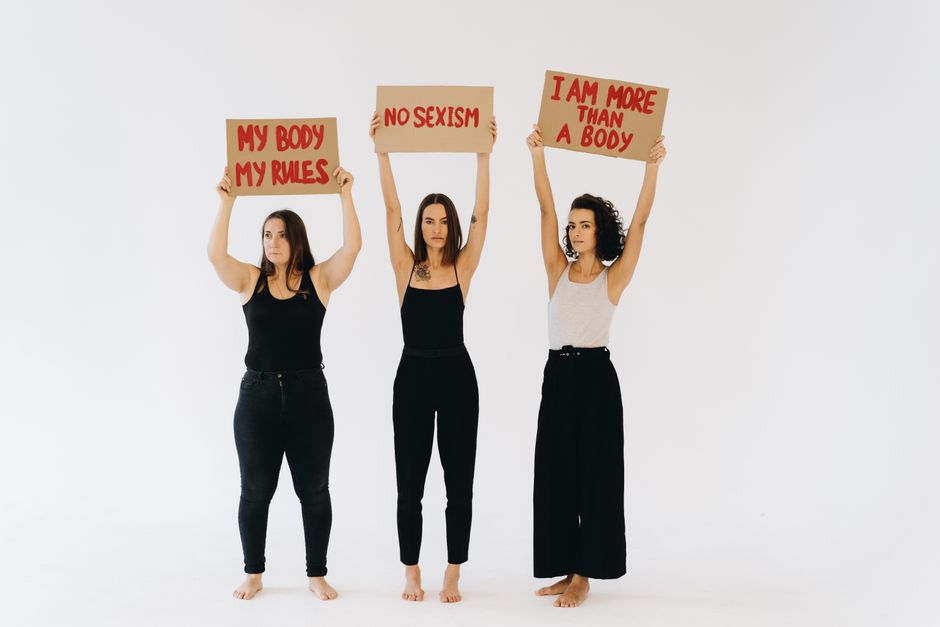
In this article, we’ll explore: Period poverty: causes and related issues and why it matters today.
Related:
👉 The Hidden Risk to Your Skeleton: Why Menopause and GLP-1 Drugs Are a Perfect Storm for Bone Loss
👉 Why Her Health Changes Everything: A Closer Look at the BcozSheMatters: WHO Health Ministry roll out campaign on women and girls health and well-being
👉 The Hidden Struggle of Young Moms: Understanding Perineal Muscle Strength and Bladder Control in Mangaluru
Learn more: Period poverty: causes and related issues on Google Search
Imagine for a second that you’re a teenager sitting in a high school math class. Suddenly, you realize your period has started. But instead of reaching into your bag for a pad or asking a friend for a tampon, you realize you have nothing. You can’t afford to buy them, and your parents are struggling to put food on the table this month. You have two choices: use wadded-up toilet paper and hope it doesn’t leak, or fake a stomach ache and go home, missing the rest of your education for the day.
For millions of people around the world, this isn’t a “what if” scenario. It is a monthly reality. This is the heart of what we call period poverty. It is a global struggle that affects health, education, and dignity. In this post, we’re going to look closely at period poverty: causes and related issues, and why this is a conversation we need to have right now.
What Exactly is Period Poverty?
Before we dive into the “why,” let’s define the “what.” Period poverty isn’t just about being unable to afford a box of tampons—though that’s a huge part of it. It’s a lack of access to sanitary products, menstrual hygiene education, toilets, water systems, and waste management.
It is a barrier that prevents people from participating fully in society. When you don’t have what you need to manage your cycle, you can’t go to work, you can’t go to school, and you can’t move through the world with confidence. It is a matter of basic human rights that often gets swept under the rug because society still finds menstruation “taboo” or “gross.”
Period Poverty: Causes and Related Issues
When we look at period poverty: causes and related issues, we see a complex web of economic, social, and structural problems. It’s never just one thing; it’s a perfect storm of factors that keep people trapped in a cycle of disadvantage.
1. The Financial Burden and the “Pink Tax”
The most obvious cause is the cost. In many parts of the world, menstrual products are expensive. In some countries, they are even taxed as “luxury items” rather than essential necessities. This is often referred to as the “Pink Tax.”
Think about it: if you are living on a tight budget, and you have to choose between buying a gallon of milk for your kids or a pack of pads for yourself, the milk is going to win every time. When inflation hits, the price of these essentials skyrockets, leaving low-income families in a desperate position.
2. Lack of Education and Deep-Rooted Stigma
In many cultures, periods are treated like a dark secret. If a girl isn’t taught what is happening to her body, her first period can be terrifying. She might think she’s dying or that she’s done something wrong.
This lack of education leads to stigma. When society treats menstruation as “shameful,” people are less likely to ask for help or advocate for better access to supplies. This silence is a major cause of period poverty because it prevents the issue from being addressed at a policy level.
3. Inadequate Infrastructure
You can have all the pads in the world, but if you don’t have a private toilet with clean running water and a way to dispose of used products, you are still experiencing period poverty. In many developing regions, and even in some underfunded schools in wealthy nations, the lack of clean, safe, and private facilities makes managing a period nearly impossible.
The Ripple Effect: Related Issues You Need to Know
Period poverty doesn’t exist in a vacuum. It triggers a chain reaction of other problems that can affect a person’s entire life trajectory.
The Education Gap
One of the most heartbreaking issues related to period poverty is the impact on education. Studies have shown that girls in various parts of the world miss up to 20% of the school year because of their periods. When you miss a week of school every single month, you fall behind. Eventually, many of these students drop out entirely, which limits their career opportunities and keeps them in a cycle of poverty.
Serious Health Risks
When people can’t afford safe products, they turn to alternatives. This includes using old rags, socks, newspapers, or even dried leaves and sand. These methods are not only uncomfortable; they are dangerous. Using unhygienic materials can lead to severe reproductive and urinary tract infections. In some cases, people try to make a single tampon or pad last for days, which can lead to Life-threatening conditions like Toxic Shock Syndrome (TSS).
The Psychological Toll
Living with period poverty is exhausting. The constant anxiety about leaking, the shame of using makeshift products, and the fear of being “found out” takes a massive toll on mental health. It erodes self-esteem and makes people feel like their bodies are a burden or a source of embarrassment.
Real-World Examples: It’s Closer Than You Think
To understand the gravity of this, let’s look at two different stories.
- Maya’s Story (USA): Maya is a college student working two part-time jobs. After paying rent and tuition, she has $15 left for the week. When her period starts unexpectedly, she realizes she doesn’t have enough money for a box of tampons and a bus pass. She chooses the bus pass so she can get to work, and spends her day at the library using folded-up paper towels from the public restroom. She feels humiliated and distracted all day, unable to focus on her exams.
- Amina’s Story (Kenya): Amina is 13. Her school doesn’t have private stalls or running water in the girls’ bathroom. When she has her period, she stays home. Her father doesn’t understand why she needs “special” products when they can barely afford maize. By the time Amina is 15, she has missed so much school that she is forced to drop out and help at home.
These stories show that while the context changes, the core issue remains the same: a biological process is being treated as a barrier to a normal life.
How Can We Solve Period Poverty?
The good news is that this is a solvable problem. We don’t need a scientific breakthrough; we need political will and empathy.
- Abolishing the “Pink Tax”: Governments need to stop taxing menstrual products as luxuries. They are health essentials, just like bandages or soap.
- Free Products in Public Spaces: Countries like Scotland have led the way by making period products free for everyone. Schools, libraries, and community centers should always have supplies available.
- Better Education: We need to normalize the conversation. Boys and girls should both be educated about menstruation to break the cycle of shame and stigma.
- Investing in Infrastructure: Providing clean water and private toilets in schools and workplaces is a fundamental step in ensuring menstrual dignity.
Key Takeaways
- Period poverty: causes and related issues include financial strain, lack of education, and poor infrastructure.
- It is a global issue affecting people in both high-income and low-income countries.
- The consequences are far-reaching, impacting education, physical health, and mental well-being.
- Stigma and shame are major barriers that prevent people from seeking help.
- Solutions involve policy changes, free access to products, and better public education.
Frequently Asked Questions (FAQ)
Is period poverty only a problem in developing countries?
No. While it is very prevalent in developing nations due to infrastructure issues, it is also a massive problem in countries like the US, UK, and Canada. In the US, studies show that 1 in 4 teens has struggled to afford period products.
What are the most common alternatives people use when they can’t afford pads?
Unfortunately, many people resort to using toilet paper, old clothes, rags, socks, or even newspapers. These are often unhygienic and lead to health complications.
How does period poverty affect the environment?
This is a complex “related issue.” While disposables are often the only accessible option for those in poverty, they create waste. However, reusable options (like cups or period underwear) require a higher upfront cost and access to clean water for washing, which many people in period poverty do not have.
What can I do to help?
You can donate products to local food banks or shelters, advocate for free products in your local schools or workplace, and most importantly, talk about it! Breaking the silence is the first step toward breaking the cycle of poverty.
Final Thoughts
Period poverty is a quiet crisis, but it speaks volumes about how we value (or fail to value) the health and dignity of half the population. By understanding period poverty: causes and related issues, we can move past the awkwardness and start pushing for real, systemic change. No one should have to choose between their education and their hygiene. It’s time to make period poverty a thing of the past.
Written with love and assistance and refined for quality.
🔗 Related: Perineal muscle strength as a predictor…
🔗 Related: Yes Creatine Can Help With StrengthBut…