In this article, we’ll explore: Yes Creatine Can Help With StrengthBut Its Wellness Benefits Go Way Beyond The Gym and why it matters today.
Related:
👉 Beyond the "Oops" Moment: Why Pelvic Strength Matters for Young Moms in Mangaluru
👉 Why It’s Not Just About the Eggs: Understanding PCOS, Endometrial Receptivity, and Histone Lactylation
👉 More Than Just Muscle: Why Creatine Is the Secret Wellness Hack You’re Missing
Learn more: Yes Creatine Can Help With StrengthBut Its Wellness Benefits Go Way Beyond The Gym on Google Search
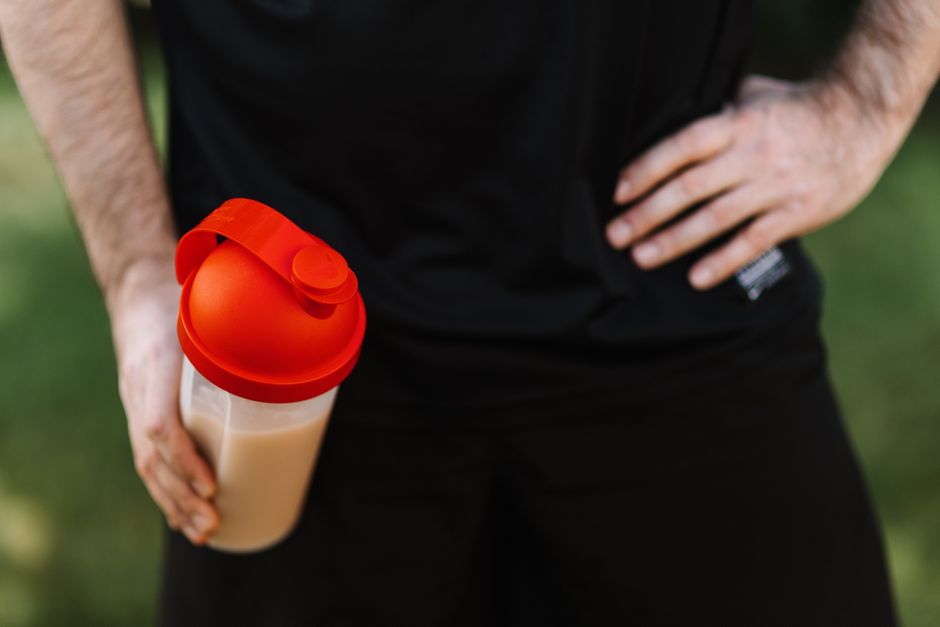
If you close your eyes and think of the word “creatine,” what do you see? For most people, the image is pretty specific: a massive guy in a tank top, shaking a plastic bottle in a gym locker room, looking like he’s about to bench press a small car. For decades, creatine has been pigeonholed as a “meathead” supplement—something used strictly for building bulging biceps and hitting new personal records on the squat rack.
But here’s the thing: the science has changed. While it’s absolutely true that Yes Creatine Can Help With Strength But Its Wellness Benefits Go Way Beyond The Gym, we are finally starting to realize that this simple, affordable powder might be one of the most effective longevity and total-body wellness supplements ever discovered.
In this post, we’re going to peel back the curtain on why creatine deserves a spot in your kitchen cabinet, even if you never plan on picking up a heavy barbell. From boosting your brainpower to helping you age with grace, let’s talk about why creatine is the ultimate “everyone” supplement.
The Basics: Why We Thought It Was Just for Muscles
Before we dive into the hidden perks, we have to acknowledge the foundation. Creatine is a naturally occurring compound found in your muscle cells. It helps your muscles produce energy during heavy lifting or high-intensity exercise.
Think of your body like a smartphone. When you’re doing something difficult—like sprinting or lifting a heavy box—your body uses a “battery” called ATP. The problem is that your ATP battery only lasts for a few seconds. Creatine acts like a portable power bank, quickly recharging that battery so you can keep going for longer. This is why athletes love it; it gives them that extra 5-10% of effort that leads to big results.
But here’s the secret: your muscles aren’t the only things in your body that need “batteries.” Your brain, your heart, and even your immune system are energy-hungry organs. And that’s where the real magic happens.
1. Your Brain on Creatine: The Mental Energy Boost
Have you ever had “brain fog”? That feeling at 3:00 PM where you’re staring at your computer screen and the words just aren’t making sense anymore? Your brain is an energy hog. Even though it only makes up about 2% of your body weight, it consumes about 20% of your daily calories.
Just like your muscles, your brain uses ATP to function. Research is increasingly showing that creatine supplementation can help with:
- Short-term memory: Helping you remember where you put your keys or that name of the person you just met.
- Mental fatigue: Helping you stay sharp during long work meetings or intense study sessions.
- Sleep deprivation: While it’s not a replacement for a good night’s sleep, studies show that creatine can help your brain function better when you’re running on fumes.
Real-World Example: Imagine Sarah, a freelance graphic designer. She doesn’t lift weights, but she spends eight hours a day solving complex visual problems. By taking a small dose of creatine daily, Sarah notices she doesn’t hit that mid-afternoon “slump” as hard. Her brain has the energy reserves it needs to keep firing on all cylinders.
2. Aging Gracefully: Sarcopenia and Bone Health
As we get older, we naturally start to lose muscle mass and bone density. This process is called sarcopenia, and it’s one of the biggest reasons people become frail as they age. This is where the phrase Yes Creatine Can Help With Strength But Its Wellness Benefits Go Way Beyond The Gym really hits home.
Creatine isn’t just about “getting big.” It’s about “staying functional.” For older adults, having a bit of extra muscle and strength means being able to get out of a chair easily, carry groceries, and prevent falls.
Protecting Your Bones
Recent studies suggest that creatine may also play a role in bone health. When combined with even light activity, creatine appears to help slow down bone mineral loss. For post-menopausal women, who are at a higher risk for osteoporosis, this is a massive win for long-term wellness.
3. Mood and Mental Health Support
This is one of the most exciting areas of new research. There is a growing body of evidence suggesting that creatine may have an antidepressant effect. Because depression is often linked to how the brain processes energy, giving the brain a “power boost” through creatine might help improve mood.
Some clinical trials have shown that when patients take creatine alongside their standard antidepressant medication, they see faster and more significant improvements than those taking the medication alone. While it’s not a “cure,” it’s a powerful tool in the mental health toolkit that is finally getting the attention it deserves.
4. Blood Sugar Management
In a world where Type 2 diabetes and insulin resistance are on the rise, anything that helps manage blood sugar is a hero. Some research indicates that creatine can help lower blood sugar levels after a meal by helping “shuttle” glucose into the muscle cells more efficiently.
Instead of the sugar sitting in your bloodstream (where it can cause damage), creatine helps your muscles soak it up to be used as fuel later. This is a huge benefit for metabolic health, regardless of whether you’re a gym rat or a casual walker.
How to Use Creatine for General Wellness
If you’re convinced that creatine is more than just a muscle-builder, you might be wondering how to actually take it. The good news is that it’s one of the simplest and cheapest supplements on the market.
Which type should I buy?
Don’t get distracted by fancy labels or expensive “liquid creatine” formulas. The gold standard is Creatine Monohydrate. It is the most researched, the most effective, and usually the cheapest. It’s a tasteless white powder that dissolves easily in water or your morning coffee.
How much do I need?
For general wellness benefits, you don’t need a “loading phase” (where you take huge amounts for a week). A simple dose of 3 to 5 grams per day is plenty for most people. It’s about consistency, not quantity. Think of it like watering a plant—you just need a little bit every day to keep the levels topped up.
Is it safe?
Creatine is one of the most studied supplements in history. Thousands of studies have shown it is safe for long-term use in healthy individuals. The only common side effect is a bit of water retention in the muscles, which actually makes you look more hydrated, not “bloated” in the traditional sense.
Key Takeaways
- Energy Beyond Muscles: Creatine recharges the “ATP batteries” in your brain and heart, not just your biceps.
- Cognitive Edge: It can improve memory, focus, and help you stay sharp when you’re tired.
- Longevity Tool: It helps seniors maintain muscle mass and bone density, which are vital for independence.
- Metabolic Support: It may help with blood sugar regulation and mood stability.
- Simple and Safe: 3-5 grams of Creatine Monohydrate daily is the sweet spot for most people.
Frequently Asked Questions
Does creatine cause hair loss?
This is a common myth based on one very small study from years ago that has never been replicated. There is no strong scientific evidence to suggest that creatine causes hair loss in men or women.
Will creatine make me look bulky?
No. Creatine doesn’t magically grow muscle on its own. It provides the energy to work harder. If you aren’t lifting heavy weights with the intention of getting huge, you won’t get “bulky.” You’ll just have more cellular energy.
Do I need to “cycle” off creatine?
There is no need to stop and start. You can take it daily for years without any negative impact on your body’s ability to produce its own creatine. In fact, the wellness benefits are most noticeable when you maintain a consistent level in your system.
Is it okay for women?
Absolutely. In fact, women may benefit even more than men in terms of bone health and mood support. It doesn’t affect hormones like testosterone; it simply affects energy production at the cellular level.
Final Thoughts
It’s time to change the narrative. Yes Creatine Can Help With Strength But Its Wellness Benefits Go Way Beyond The Gym. Whether you’re a grandmother looking to stay active, a college student trying to ace an exam, or a busy professional looking to beat the afternoon slump, creatine is a science-backed, safe, and effective tool.
Wellness isn’t just about how much you can lift; it’s about how well your body and brain function every single day. By adding a simple scoop of creatine to your routine, you’re giving your cells the “backup power” they need to help you live a sharper, stronger, and more vibrant life.
Written with love and assistance and refined for quality.
🔗 Related: Women with polycystic ovary syndrome exhibit…
🔗 Related: BcozSheMatters: WHO Health Ministry roll out…
🔗 Related: A perfect storm for bone loss…