In this article, we’ll explore: BcozSheMatters: WHO Health Ministry roll out campaign on women and girls health and well-being and why it matters today.
Related:
👉 The Hidden Crisis: Understanding Period Poverty, Its Causes, and the Issues We Can’t Ignore
👉 The Hidden Risk to Your Skeleton: Why Menopause and GLP-1 Drugs Are a Perfect Storm for Bone Loss
👉 Why Her Health Changes Everything: A Closer Look at the BcozSheMatters: WHO Health Ministry roll out campaign on women and girls health and well-being
Have you ever noticed how the women in our lives—our mothers, sisters, daughters, and friends—are often the last ones to sit down at the dinner table? They are the primary caregivers, the emotional anchors, and the silent engines that keep families and economies running. Yet, ironically, they are often the last ones to seek medical help when something feels “off.”
For too long, women’s health has been sidelined or reduced to just one or two specific issues. But change is finally in the air. The recent announcement that the BcozSheMatters: WHO Health Ministry roll out campaign on women and girls health and well-being is now live marks a pivotal moment in global healthcare. It’s not just another government initiative; it’s a movement to redefine what it means to care for half the world’s population.
In this post, we’re going to dive deep into what this campaign is all about, why it matters so much right now, and how it aims to change the lives of millions of women and girls across the globe.
What is the #BcozSheMatters Campaign?
The name says it all, doesn’t it? “Because She Matters.” It’s a simple, powerful statement that challenges the status quo. The BcozSheMatters: WHO Health Ministry roll out campaign on women and girls health and well-being is a collaborative effort between the World Health Organization (WHO) and various national Health Ministries. Its goal is to create a holistic, accessible, and stigma-free healthcare environment for women of all ages.
Instead of focusing on just one disease or one stage of life, this campaign looks at the “continuum of care.” This means supporting a girl from her early adolescent years, through her reproductive years, and well into her senior years. It’s about realizing that a woman’s health isn’t a series of isolated events, but a lifelong journey that requires different types of support at different times.
The Partnership Between WHO and Health Ministries
When the WHO joins forces with a national Health Ministry, things get serious. The WHO provides the data, the global standards, and the research, while the Health Ministry provides the boots-on-the-ground infrastructure. This partnership ensures that the campaign isn’t just a set of pretty posters in a clinic, but a real change in policy, funding, and medical training.
Why Now? The Story of Why We Can’t Wait
To understand the urgency of the BcozSheMatters: WHO Health Ministry roll out campaign on women and girls health and well-being, we have to look at the stories behind the statistics. Take “Elena,” a 34-year-old mother of two living in a suburban neighborhood. Elena works a full-time job and manages her household. For six months, she felt a persistent fatigue and a dull ache in her back. She brushed it off as “just being a busy mom.” By the time she finally saw a doctor, a manageable condition had become a chronic issue.
Elena’s story is universal. Whether it’s due to a lack of time, financial constraints, or the social pressure to “be strong,” women frequently delay their own care. The #BcozSheMatters campaign aims to dismantle these barriers by making healthcare more intuitive and integrated into women’s daily lives.
The Core Pillars of the Campaign
The campaign isn’t just a broad “be healthy” message. It is built on several key pillars designed to tackle the most pressing issues facing women and girls today.
1. Maternal and Reproductive Health
While maternal mortality rates have improved globally, they are still unacceptably high in many regions. This campaign focuses on the “Fourth Trimester”—the period after birth that is often ignored. It also emphasizes safe reproductive choices and access to modern contraception, ensuring that every woman has agency over her own body.
2. Mental Health and Emotional Well-being
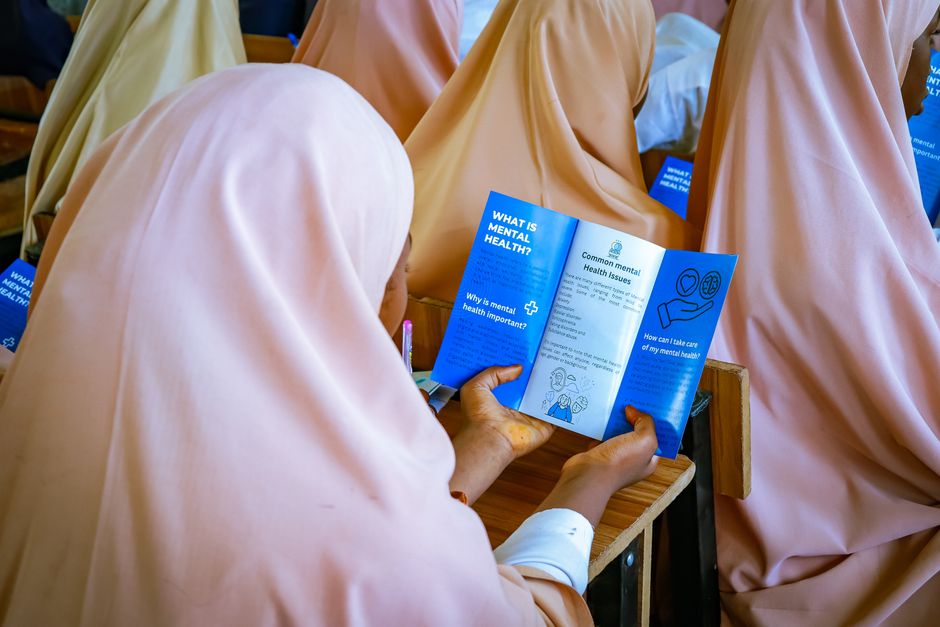
For the first time, we are seeing a massive push to include mental health as a core component of women’s physical health. From postpartum depression to the anxiety caused by the “double burden” of work and home, the BcozSheMatters: WHO Health Ministry roll out campaign on women and girls health and well-being provides resources to help women speak up about their mental struggles without fear of judgment.
3. Nutrition and Preventive Screenings
Anemia and malnutrition still affect millions of girls, impacting their education and future potential. Furthermore, preventive screenings for things like cervical cancer and breast cancer are being made more accessible through mobile clinics and community outreach programs. The goal is to catch problems before they become crises.
4. Adolescent Girls’ Health
The campaign puts a special spotlight on girls aged 10-19. This is a critical window where habits are formed and health education can change the trajectory of a life. By focusing on menstrual hygiene, vaccinations (like the HPV vaccine), and body positivity, the initiative is building a healthier future generation.
Real-World Impact: How It Changes Lives
What does this look like in practice? Let’s look at a rural community where the Health Ministry has rolled out a “BcozSheMatters” mobile health unit.
In the past, a woman in this village might have had to travel three hours to the nearest city for a simple check-up. Now, the clinic comes to her. These mobile units are staffed by female healthcare workers, which makes a world of difference in cultures where women might feel uncomfortable being examined by men. This simple shift in “how” care is delivered is a direct result of the campaign’s focus on empathy and accessibility.
Another example is the workplace. The campaign encourages businesses to implement “wellness hours” specifically for female employees to attend screenings or mental health sessions. It’s about meeting women where they are, rather than expecting them to move mountains to find care.
Breaking the Stigma: It’s Okay to Put Yourself First
One of the biggest hurdles the BcozSheMatters: WHO Health Ministry roll out campaign on women and girls health and well-being faces is cultural. In many societies, a woman putting her health first is seen as “selfish.”
The campaign uses storytelling and community influencers to flip this narrative. The message is clear: When a woman is healthy, her family thrives, her community grows, and the nation prospers. Self-care isn’t selfish; it’s foundational. By involving community leaders and male allies, the campaign is working to change the conversation at the grassroots level.
Key Takeaways from the #BcozSheMatters Initiative
- Holistic Approach: It moves beyond just reproductive health to include mental health, nutrition, and non-communicable diseases.
- Life-Cycle Focus: It addresses the needs of girls, adult women, and the elderly, ensuring no one is left behind.
- Policy Integration: The collaboration between the WHO and Health Ministries ensures that the campaign is backed by real resources and legislative support.
- Accessibility: By using mobile clinics and community-based care, the campaign brings health services to the doorstep of those who need it most.
- Empowerment: The initiative encourages women to take agency over their health and challenges the social stigmas that prevent them from seeking care.
How You Can Support the Movement
You don’t have to be a doctor or a policymaker to make a difference. The BcozSheMatters: WHO Health Ministry roll out campaign on women and girls health and well-being is a community effort. Here is how you can help:
- Share the Message: Use the hashtag #BcozSheMatters on social media to spread awareness about health screenings and mental health resources.
- Check in on Your Loved Ones: Sometimes, a simple “How are you really doing?” can encourage a woman in your life to finally book that doctor’s appointment.
- Educate Yourself: Learn about the specific health challenges women face in your region and support local clinics that provide these services.
- Be an Ally: If you are a man, support the women in your life by sharing household responsibilities so they have the time to prioritize their well-being.
Conclusion: A Healthier Future Starts Now
The BcozSheMatters: WHO Health Ministry roll out campaign on women and girls health and well-being is more than just a headline. It’s a promise. It’s a promise to the young girl who deserves to grow up informed and empowered. It’s a promise to the working mother who deserves a healthcare system that understands her schedule. And it’s a promise to the grandmother who deserves to live her golden years in comfort and dignity.
Health is a fundamental human right, not a luxury. By focusing on the unique needs of women and girls, we aren’t just helping one group—we are lifting up the entire world. Because when she matters, we all do.
Frequently Asked Questions (FAQ)
What is the main goal of the #BcozSheMatters campaign?
The main goal is to improve the overall health and well-being of women and girls by providing accessible, holistic healthcare services and breaking down the social and economic barriers that prevent them from seeking care.
Who is behind the BcozSheMatters: WHO Health Ministry roll out campaign?
The campaign is a joint initiative between the World Health Organization (WHO) and national Health Ministries. It involves collaboration with local governments, NGOs, and community leaders.
Does the campaign only focus on pregnancy and childbirth?
No. While maternal health is a key pillar, the campaign also focuses on mental health, nutrition, adolescent health, preventive screenings for cancers, and the management of chronic diseases like diabetes and heart disease.
How can I find out if this campaign is active in my area?
You can check the official website of your national Health Ministry or the WHO regional office website. Many local clinics will also display #BcozSheMatters materials if they are part of the rollout.
Why is there a specific focus on adolescent girls?
Adolescence is a critical time for physical and emotional development. By providing health education and services early, the campaign helps girls build a foundation for a healthy adult life, reducing future health risks.
Written with love and assistance and refined for quality.
🔗 Related: A perfect storm for bone loss…
🔗 Related: Period poverty: causes and related issues
🔗 Related: Perineal muscle strength as a predictor…