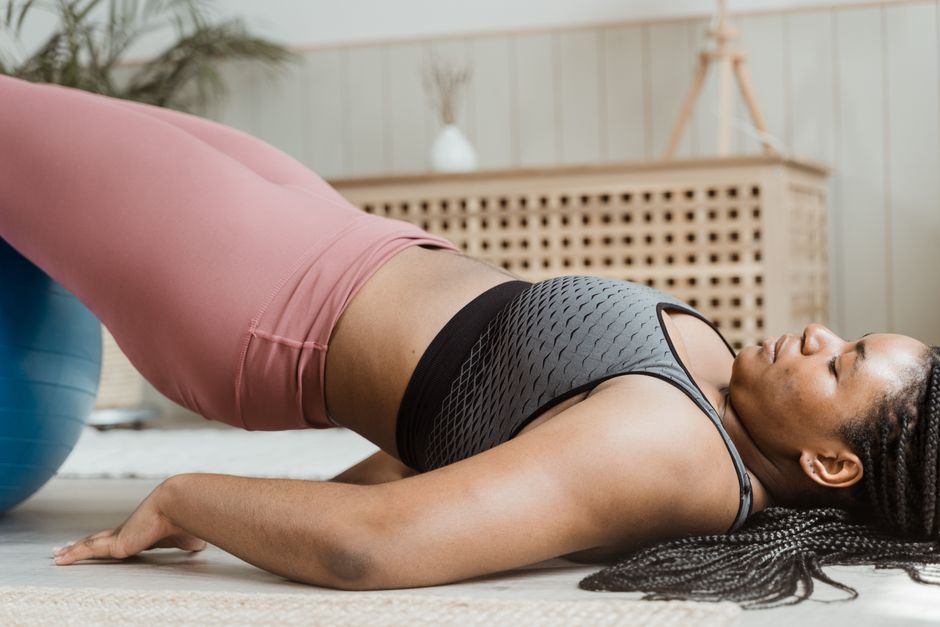
In this article, we’ll explore: Perineal muscle strength as a predictor of stress urinary incontinence among young parous women in Mangaluru India and why it matters today.
Related:
👉 Why Laughing Shouldn't Be Scary: Understanding Pelvic Health for Young Moms in Mangaluru
👉 The Hidden Struggle: Understanding Period Poverty, Its Causes, and Why It Matters for Everyone
👉 The Hidden Risk to Your Skeleton: Why Menopause and GLP-1 Drugs Are a "Perfect Storm" for Bone Loss
Imagine you’re at a beautiful wedding at a convention hall in the heart of Mangaluru. You’re dressed in your finest silk saree, laughing with your cousins over a plate of hot kori rotti. Suddenly, someone tells a hilarious joke. You laugh—hard—and in that split second, you feel a tiny, unwanted leak. The laughter stops, and a wave of panic sets in. You find yourself making a beeline for the restroom, wondering, “Is this just my life now?”
If this sounds familiar, you aren’t alone. For many young mothers in Mangaluru, this experience is a daily reality. It’s called Stress Urinary Incontinence (SUI), and while it’s often whispered about in hushed tones, it’s a medical condition deeply tied to our physical anatomy—specifically, the strength of the perineal muscles.
Today, we’re going to dive deep into a topic that deserves more sunlight: perineal muscle strength as a predictor of stress urinary incontinence among young parous women in Mangaluru India. We’ll explore why this happens, what the research says about women in our coastal city, and how you can take back control of your body.
What Exactly is Stress Urinary Incontinence (SUI)?
First, let’s clear up a common misconception. “Stress” in this context doesn’t mean emotional stress (though leaking certainly causes that!). It refers to physical pressure or “stress” on the bladder. When you cough, sneeze, laugh, jump, or lift something heavy (like a chubby toddler), the pressure inside your abdomen increases.
Normally, your pelvic floor muscles—also known as the perineal muscles—act like a sturdy hammock. They support the bladder and keep the urethra closed. But when these muscles are weakened, that “hammock” sags. The result? A little bit of urine escapes when you least expect it.
For young parous women (women who have given birth), the pelvic floor has been through a marathon. Pregnancy involves carrying extra weight for nine months, and childbirth involves significant stretching and sometimes tearing of these vital tissues. In Mangaluru, where family sizes are often vibrant and multi-generational, many young women find themselves balancing motherhood and work while quietly dealing with this discomfort.
The Mangaluru Study: Why This Research Matters
Mangaluru is a unique hub. It’s a city of high literacy, incredible healthcare facilities, and a mix of traditional and modern lifestyles. However, despite the medical advancements in the region, many women still view SUI as a “normal” part of being a mother. It is not.
Recent focus on perineal muscle strength as a predictor of stress urinary incontinence among young parous women in Mangaluru India has highlighted a crucial link. Researchers have found that by measuring the strength of the pelvic floor muscles shortly after childbirth, they can actually predict who is most at risk for developing long-term SUI.
This is a game-changer. Instead of waiting for the problem to become severe, healthcare providers in Mangaluru can now identify “at-risk” mothers early and provide them with the tools they need to strengthen their bodies before the leaks become a daily burden.
The “Anita” Example: A Story of Recovery
Let’s look at Anita, a 28-year-old software professional living in Bejai. After her second child, Anita noticed she couldn’t go for her morning walks at Kadri Park without wearing a sanitary pad—not for her period, but for “just in case.” She felt embarrassed to talk to her doctor, thinking it was just part of the “mom package.”
When she finally mentioned it during a routine check-up, her physiotherapist assessed her perineal muscle strength. It turned out her “hammock” was significantly weakened. With a targeted exercise plan, Anita didn’t just stop the leaks; she regained her confidence. Her story is a testament to why we need to talk about this more openly.
Why Does Perineal Strength Decline?
To understand how to fix the problem, we have to understand what causes the weakness in the first place. For women in Mangaluru, several factors come into play:
- Pregnancy Strain: The hormone ‘relaxin’ softens the ligaments and muscles to prepare for birth, but it can also leave the pelvic floor less stable.
- Mode of Delivery: While SUI can happen after a C-section, vaginal deliveries—especially those involving long pushing stages or the use of forceps—can significantly impact perineal strength.
- Lifestyle and Diet: Chronic constipation (common if our diets lack fiber) leads to repeated straining, which weakens the pelvic floor over time.
- Lack of Postpartum Rehab: In many Indian cultures, the “40-day rest period” (Sutika) is traditional. While rest is good, it often lacks the specific muscle rehabilitation needed to “wake up” the pelvic floor after the trauma of birth.
Predicting the Future: How Strength is Measured
How do experts determine if your perineal muscle strength is a predictor of future issues? In clinics across Mangaluru, professionals use a few different methods:
1. Digital Palpation
This is a simple physical exam where a trained professional (usually a gynecologist or pelvic floor physiotherapist) assesses the “squeeze and lift” power of your muscles manually. They use a scale (often the Modified Oxford Scale) to grade the strength from 0 to 5.
2. Perineometry
This involves a small device that measures the actual pressure exerted by the pelvic floor muscles. It provides a digital reading, giving a very accurate picture of how much “closing power” your muscles have.
3. Ultrasound Imaging
Some advanced clinics in Mangaluru use real-time ultrasound to see how the bladder neck moves when you contract your muscles. It’s a fascinating way to see your body in action!
The Road to Recovery: It’s More Than Just Kegels
If you’ve ever Googled “how to stop leaking,” you’ve probably seen the word “Kegels.” But here’s the thing: doing Kegels incorrectly can sometimes do more harm than good. If you’re just “clenching” without the “lift,” or if you’re holding your breath, you’re not getting the full benefit.
For young parous women in our community, recovery should be holistic:
- Professional Guidance: See a pelvic floor specialist. Mangaluru has some of the best medical colleges and hospitals in the country—use them!
- The “Knack” Technique: This is a simple trick where you intentionally contract your pelvic floor muscles just before you sneeze or cough. It’s like bracing for impact.
- Core Integration: Your pelvic floor doesn’t work in isolation. It works with your deep abs and your breath. Learning to breathe “into your belly” rather than just your chest can take the pressure off your bladder.
- Weight Management: In a city known for its delicious fried snacks and heavy coconut curries, maintaining a healthy weight can significantly reduce the “load” on your pelvic floor.
Breaking the Cultural Silence in Mangaluru
One of the biggest hurdles in addressing perineal muscle strength as a predictor of stress urinary incontinence among young parous women in Mangaluru India isn’t the lack of medical tech—it’s the stigma.
Many women feel that talking about their “private parts” is taboo. They might feel that their husband or mother-in-law won’t understand. But think of it this way: if you tore a ligament in your knee while running, you would go to a physio immediately. Your perineal muscles are no different. They are muscles that have been strained during the “marathon” of childbirth, and they deserve rehabilitation.
By talking about it over tea with friends or at the local ladies’ club, we normalize the conversation. We move from “suffering in silence” to “reclaiming our strength.”
Key Takeaways for Young Moms
- SUI is common, but not normal: Just because your friends have it doesn’t mean you have to live with it.
- Strength is the key: Low perineal muscle strength is the biggest predictor of SUI. The stronger the muscles, the drier you stay.
- Early intervention is best: If you are a young parous woman in Mangaluru, get assessed early. Don’t wait for the symptoms to get worse.
- Help is available locally: From KMC to Father Muller’s and AJ Hospital, Mangaluru is blessed with experts who can help you.
Frequently Asked Questions (FAQ)
1. Can I improve my perineal strength years after having a baby?
Absolutely! While it’s great to start early, the muscles of the pelvic floor can be trained and strengthened at any age. It’s never too late to start your “internal gym” routine.
2. Does a C-section protect you from SUI?
Not necessarily. While vaginal delivery is a major factor, the pregnancy itself puts nine months of pressure on the pelvic floor. Many women who have C-sections still experience SUI due to the changes that happened during gestation.
3. How long does it take to see results from exercises?
Most women start to notice a difference after 6 to 12 weeks of consistent, correct pelvic floor training. Consistency is key—think of it like any other fitness goal.
4. Are there any foods I should avoid?
Bladder irritants like caffeine (that extra cup of filter coffee!), spicy foods, and carbonated drinks can sometimes make SUI symptoms feel worse. While they don’t cause the muscle weakness, they can make your bladder more “irritable.”
5. Is surgery the only option?
No! Surgery is usually the last resort. For the vast majority of young parous women, conservative treatments like physiotherapy, lifestyle changes, and muscle strengthening are highly effective.
Final Thoughts
Living in Mangaluru means living a life full of movement—walking the beaches, climbing the stairs of our hilly terrain, and chasing after our little ones. Don’t let the fear of a leak hold you back from enjoying everything this beautiful city has to offer.
Understanding perineal muscle strength as a predictor of stress urinary incontinence among young parous women in Mangaluru India is the first step toward a drier, more confident future. You’ve done the amazing work of bringing life into this world; now, it’s time to do the work of taking care of yourself. Your body—and your bladder—will thank you!
Written with love and assistance and refined for quality.
🔗 Related: Yes Creatine Can Help With StrengthBut…