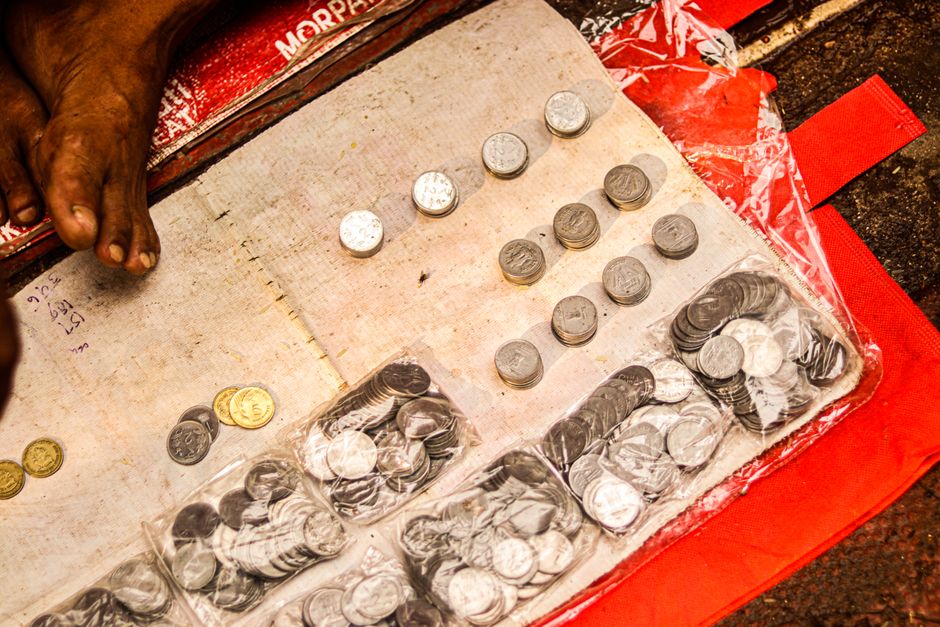
In this article, we’ll explore: The Two Cents Problem: The Long Tail of Period Poverty and why it matters today.
Related:
👉 Why Women’s Health is Finally Getting the Spotlight: The Story Behind BcozSheMatters
👉 The Two Cents Problem: The Long Tail of Period Poverty
👉 The Silent Risk: Why Menopause and GLP-1 Weight-Loss Drugs Are a "Perfect Storm" for Your Bones
Learn more: The Two Cents Problem: The Long Tail of Period Poverty on Investopedia
Imagine for a second that your entire future depended on two cents. It sounds like a metaphor, doesn’t it? Like something out of a Victorian novel. But for millions of girls and women around the world, this isn’t a literary device. It is a daily, monthly, and lifelong reality. We call this The Two Cents Problem: The Long Tail of Period Poverty.
When we talk about poverty, we usually think of big numbers: GDP, national debt, or the cost of housing. We rarely talk about the “micro-costs”—the tiny, seemingly insignificant amounts of money that stand between a human being and their dignity. Period poverty isn’t just about a lack of money for pads or tampons; it’s about the massive, trailing consequences that follow that lack of access for years to come.
In this post, we’re going to dive deep into what this looks like, why it matters to everyone (not just those who menstruate), and how we can finally shorten the “long tail” of this global crisis.
What Exactly is the “Two Cents Problem”?
The “Two Cents Problem” is a way of describing the marginal cost difference that prevents someone from accessing basic hygiene. In many developing economies, the difference between a safe, sanitary pad and a piece of old newspaper, dried leaves, or a dirty rag is often just a few cents per unit.
To you and me, two cents is something we might find at the bottom of a cup holder and ignore. But in a household living on less than two dollars a day, those two cents represent a choice. Do we buy an extra handful of grain, or do we buy a sanitary product? More often than not, the food wins. Survival always takes precedence over hygiene.
But here is the catch: by “saving” those two cents, a much larger cost is incurred down the road. This is the “Long Tail.” It’s the ripple effect of that initial lack of access that stretches out across a person’s life, affecting their education, their health, and their economic potential.
The Long Tail: How Period Poverty Spirals
The phrase “long tail” usually refers to a strategy in retail or statistics, but in the context of period poverty, it refers to the long-term consequences of a short-term problem. When a girl cannot afford menstrual products, the impact doesn’t end when her period does. It follows her.
1. The Education Gap
This is perhaps the most visible part of the long tail. When a girl in a rural village or an underfunded urban area doesn’t have pads, she doesn’t go to school. She stays home to avoid the embarrassment of leaking through her clothes. If she misses five days of school every month, she misses about 50 to 60 days of education every year.
By the time she reaches high school, she is nearly a full year behind her male peers. This leads to higher dropout rates, earlier marriages, and a permanent reduction in her earning power. All because of a two-cent barrier.
2. The Health Consequences
When someone is forced to use unsafe alternatives—like sawdust, ash, or old rags—they aren’t just uncomfortable. They are at high risk for Reproductive Tract Infections (RTIs) and Urinary Tract Infections (UTIs). In some cases, these infections can lead to chronic pain or even infertility. The medical costs to treat these issues far outweigh the original cost of a sanitary pad.
3. The Psychological Weight
There is a hidden cost to period poverty: the cost of shame. Imagine being a teenager and feeling that a natural bodily function makes you “unclean” or “broken.” This psychological toll erodes self-esteem and limits a young person’s willingness to take risks, lead projects, or speak up in public. That loss of confidence is a “long tail” effect that can last a lifetime.
Real-World Examples: It’s Not Just “Over There”
It’s easy to think that The Two Cents Problem: The Long Tail of Period Poverty is only a problem in distant, developing nations. But the reality is much closer to home.
- In the United States: A study found that nearly 1 in 4 students in the U.S. struggled to afford period products. Many teachers report keeping “secret stashes” in their desks, paid for out of their own pockets, because they know their students will stay home otherwise.
- In Scotland: Scotland became the first country in the world to make period products free for everyone. They recognized that the economic benefit of having women in the workforce and girls in school far outweighed the cost of providing the products.
- In Kenya: Innovative companies are now turning agricultural waste, like banana fibers, into affordable, biodegradable pads. They are attacking the “two cents” barrier by lowering production costs and creating local jobs in the process.
The Economic Ripple Effect
Let’s look at this through a cold, hard economic lens. When women are sidelined because of period poverty, the entire economy suffers. McKinsey & Company famously reported that advancing women’s equality could add $12 trillion to global GDP. You cannot have equality if half the population is physically or socially restricted for one week out of every month.
The “Long Tail” means that a society is essentially operating at 50% capacity. When we solve the two-cents problem, we aren’t just “doing a nice thing” for women; we are unlocking a massive amount of human capital that has been sitting on the sidelines.
Breaking the Cycle: What Works?
Solving this isn’t just about throwing money at the problem. It requires a multi-pronged approach:
- Policy Changes: Removing the “Pink Tax” (the sales tax on menstrual products) is a huge first step. In many places, tampons are taxed as “luxury goods” while things like Viagra or golf club memberships are not.
- Infrastructure: You can give a girl all the pads in the world, but if her school doesn’t have a private bathroom with clean water, she still won’t go. We need “period-friendly” infrastructure.
- Education: We have to break the taboo. Boys and men need to understand menstruation so the stigma disappears. When the stigma dies, the barrier to asking for help dies with it.
Key Takeaways
If you remember nothing else from this article, remember these three points:
- It’s a Micro-Barrier with Macro-Consequences: Small costs prevent access, leading to massive losses in education and health.
- The Long Tail is Real: The effects of missing school or work because of a period don’t disappear; they compound over a lifetime.
- It’s a Global Issue: From the streets of New York to the villages of India, period poverty affects everyone, and solving it benefits the entire global economy.
The Path Forward: Human-Centric Solutions
We are seeing a shift in how the world views this issue. It is moving from a “women’s issue” to a “human rights and economic issue.” Brands are becoming more transparent, and governments are beginning to listen. But the work isn’t done until the “two cents” is no longer a barrier.
Supporting local charities, advocating for free products in public spaces, and simply talking about the issue openly are ways we can all help chop off the “long tail” of period poverty. It’s time we stopped letting pennies dictate the potential of millions.
Frequently Asked Questions
What is the “Pink Tax”?
The Pink Tax refers to the extra amount of money women pay for products specifically marketed to them, including the sales tax on menstrual products which are often incorrectly categorized as non-essential goods.
How does period poverty affect mental health?
It leads to increased anxiety, depression, and a sense of isolation. The constant fear of “leaking” or being “found out” creates a high-stress environment that can hinder a person’s psychological development.
Can reusable products solve the problem?
Reusable products like menstrual cups or washable pads are great long-term solutions, but they require access to clean water and private spaces for cleaning, which isn’t always available in areas hit hardest by poverty.
Is period poverty only a problem in poor countries?
No. Period poverty is a significant issue in wealthy nations as well, particularly among homeless populations, low-income students, and those living in the foster care system.
How can I help?
You can donate to organizations like Period.org or Days for Girls, advocate for free products in your workplace or local schools, and support legislation that removes taxes on menstrual hygiene products.
Written with love and assistance and refined for quality.
🔗 Related: Perineal muscle strength as a predictor…
🔗 Related: Yes Creatine Can Help With StrengthBut…