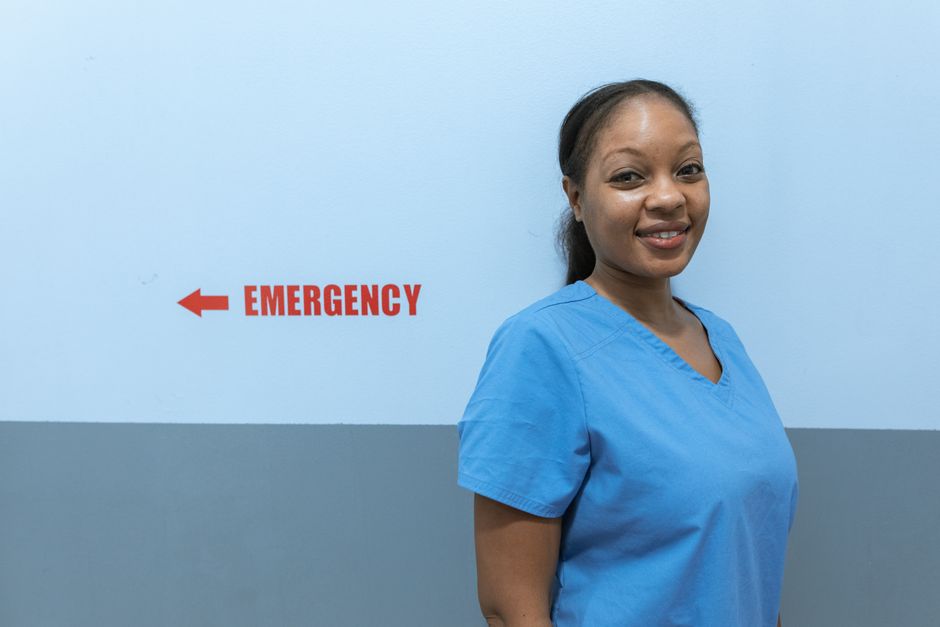
In this article, we’ll explore: BcozSheMatters: WHO Health Ministry roll out campaign on women and girls health and well-being and why it matters today.
Related:
👉 Yes Creatine Can Help With Strength But Its Wellness Benefits Go Way Beyond The Gym
👉 A Perfect Storm for Bone Loss in Women: Menopause and GLP-1 Weight-Loss Drugs
👉 Why the #BcozSheMatters Campaign is a Game-Changer for Women’s Health and Well-being
Think about the women in your life for a moment. Your mother, your sister, your best friend, or perhaps the colleague who always has a spare pen and a kind word. Now, think about how often these women put their own needs—especially their health—at the very bottom of their to-do lists. It is a story we see played out in every corner of the globe: women acting as the pillars of their families and communities while quietly neglecting their own well-being.
But things are about to change. There is a new wave of hope on the horizon. The World Health Organization (WHO), in collaboration with national health ministries, has officially launched a transformative initiative. The BcozSheMatters: WHO Health Ministry roll out campaign on women and girls health and well-being is not just another government program; it is a movement designed to put women’s health back where it belongs: at the center of the global conversation.
In this post, we are going to explore why this campaign is a game-changer, what it actually means for the average woman, and how it aims to build a world where “she” truly matters.
The Heart of the Matter: Why #BcozSheMatters?
For too long, women’s health has been viewed through a very narrow lens—mostly focused on pregnancy and childbirth. While maternal health is incredibly important, a woman is so much more than her ability to have children. She is a person who deals with heart disease, mental health struggles, nutritional gaps, and the natural transitions of aging.
The “BcozSheMatters” campaign recognizes this complexity. It acknowledges that when a woman is healthy, her children are more likely to attend school, her household is more financially stable, and her community thrives. Conversely, when her health fails, the ripple effect is devastating. By focusing on the holistic well-being of women and girls, the WHO and Health Ministries are essentially investing in the foundation of society itself.
A Shift from “Reactive” to “Proactive”
Most healthcare systems are reactive. You get sick, you go to the doctor. The BcozSheMatters: WHO Health Ministry roll out campaign on women and girls health and well-being wants to flip that script. It’s about prevention, education, and early intervention. It’s about making sure a young girl knows about her reproductive rights and a grandmother has access to screenings for non-communicable diseases before they become life-threatening.
The Core Pillars of the Campaign
The campaign isn’t just a catchy hashtag; it’s built on several critical pillars that address the most pressing issues facing women and girls today. Let’s break them down:
- Universal Access to Reproductive Health: Ensuring every girl and woman has the right to make informed choices about her body, including access to contraception and safe maternal care.
- Mental Health Support: Breaking the stigma around anxiety, depression, and postpartum struggles. Women often carry a heavy emotional load, and this campaign aims to provide the support systems they deserve.
- Nutrition and Lifestyle: Addressing anemia and malnutrition in young girls, which can have lifelong impacts on their health and cognitive development.
- Prevention of Non-Communicable Diseases (NCDs): Increasing screenings for breast cancer, cervical cancer, and cardiovascular issues, which are often caught too late in women.
- Protection Against Violence: Recognizing that physical and psychological safety is a fundamental requirement for health.
Real-World Impact: Meet Maya
To understand why this matters, let’s look at a story. Meet Maya, a 32-year-old mother of two living in a rural area. For months, Maya felt a persistent fatigue. She brushed it off as “just being a mom.” She didn’t want to spend the family’s small savings on a doctor’s visit for something as simple as tiredness.
Under the new campaign, Maya’s local community center hosted a “She Matters” health fair. There, she received a free blood test that revealed she was severely anemic—a condition easily treated with iron supplements and dietary changes. Because the campaign brought the care to her and emphasized that her health was a priority, Maya didn’t have to wait until she collapsed to get help. Today, she has her energy back, and she’s teaching her daughters that taking care of their bodies is a sign of strength, not a luxury.
Breaking the Barriers: What Stands in the Way?
Even with a massive campaign like BcozSheMatters: WHO Health Ministry roll out campaign on women and girls health and well-being, there are hurdles to overcome. The WHO and local ministries are working hard to tackle these three major barriers:
1. Cultural Stigma
In many cultures, talking about women’s health—especially menstruation or mental health—is considered taboo. The campaign uses local “Health Ambassadors” (trusted community leaders) to start these conversations in a way that is respectful and culturally sensitive.
2. Financial Constraints
Even when services are available, the cost can be a barrier. The Health Ministry is working to subsidize essential screenings and treatments, ensuring that a woman’s bank account doesn’t determine her lifespan.
3. Geographic Isolation
For women in remote areas, the nearest clinic might be a day’s journey away. The campaign is rolling out mobile health clinics and digital health platforms (Telemedicine) to bridge the gap between rural homes and expert medical advice.
The Role of Digital Innovation
We live in a digital age, and the BcozSheMatters campaign is leaning into this. One of the most exciting aspects of the rollout is the use of mobile apps and SMS alerts. Imagine a young girl receiving a weekly text message with tips on nutrition, or a pregnant woman getting reminders for her prenatal checkups. These small digital nudges can lead to massive improvements in health outcomes.
Furthermore, the campaign is gathering data (anonymously, of course) to better understand where the gaps are. If the data shows a spike in respiratory issues among women in a specific region, the Health Ministry can pivot resources to address that specific need. It’s “smart” healthcare at its finest.
Why Men and Boys Need to Be Part of the Conversation
You might think a campaign for women and girls would exclude men, but the WHO emphasizes that men are crucial allies. When fathers, husbands, and brothers understand the importance of women’s health, they become advocates. They help share the domestic workload so women can attend health appointments, and they help break down the stigmas that hold girls back.
The campaign includes workshops specifically for men, teaching them how to support the health and well-being of the females in their families. After all, a healthy society requires everyone to be on the same page.
Key Takeaways for the Reader
If you take nothing else away from this, remember these points about the BcozSheMatters: WHO Health Ministry roll out campaign on women and girls health and well-being:
- It’s Holistic: It covers everything from physical ailments to mental health and safety.
- It’s Accessible: The goal is to bring healthcare to the women, rather than waiting for them to find it.
- It’s Empowering: It gives women the tools and knowledge to take charge of their own bodies.
- It’s Economic: Investing in women’s health is one of the most effective ways to boost a country’s economy.
- It’s Urgent: We cannot wait for the next pandemic or crisis to realize that women’s health is the backbone of global resilience.
How You Can Support the Movement
You don’t have to be a doctor or a government official to make a difference. Here is how you can help the “BcozSheMatters” initiative:
1. Spread Awareness: Share information about health screenings and the campaign on your social media. You never know who might see it and decide to book that overdue checkup.
2. Check on the Women in Your Life: Sometimes, a simple “How are you really feeling?” can open the door for a woman to voice a health concern she’s been hiding.
3. Advocate for Policy: Support local and national policies that prioritize funding for women’s health clinics and reproductive services.
Final Thoughts: A Future Where She Matters
The BcozSheMatters: WHO Health Ministry roll out campaign on women and girls health and well-being is a bold step toward a more equitable world. It’s a reminder that a woman’s health is not a secondary issue; it is a human rights issue. It is an economic issue. It is a family issue.
As this campaign rolls out across the globe, we have the opportunity to change the narrative. We can move away from a world where women suffer in silence and toward one where every girl grows up knowing her health is a priority. Because when she thrives, we all thrive.
Frequently Asked Questions (FAQ)
What is the main goal of the BcozSheMatters campaign?
The main goal is to improve the overall health and well-being of women and girls by providing better access to healthcare, education, and support systems. It aims to reduce maternal mortality, improve mental health, and ensure early detection of non-communicable diseases.
Is this campaign only for women in developing countries?
No. While the campaign places a heavy emphasis on reaching underserved populations in developing nations, the principles of “BcozSheMatters” apply globally. Women in developed countries also face gaps in healthcare, particularly regarding mental health and reproductive rights.
How is the Health Ministry involved?
National Health Ministries are the boots on the ground. While the WHO provides the framework, data, and global standards, the Health Ministries implement the programs, fund local clinics, and tailor the campaign to meet the specific cultural and medical needs of their citizens.
How can I find out if there are campaign events near me?
The best way is to visit the official website of your national Health Ministry or the WHO’s regional office website. They typically list upcoming health fairs, free screening clinics, and educational workshops.
Does the campaign address the needs of elderly women?
Yes! The “well-being” aspect of the campaign includes healthy aging. This involves screenings for osteoporosis, cardiovascular health, and support for menopause, ensuring that women are cared for at every stage of their lives.
Written with love and assistance and refined for quality.
🔗 Related: A perfect storm for bone loss…
🔗 Related: The Two Cents Problem: The Long…