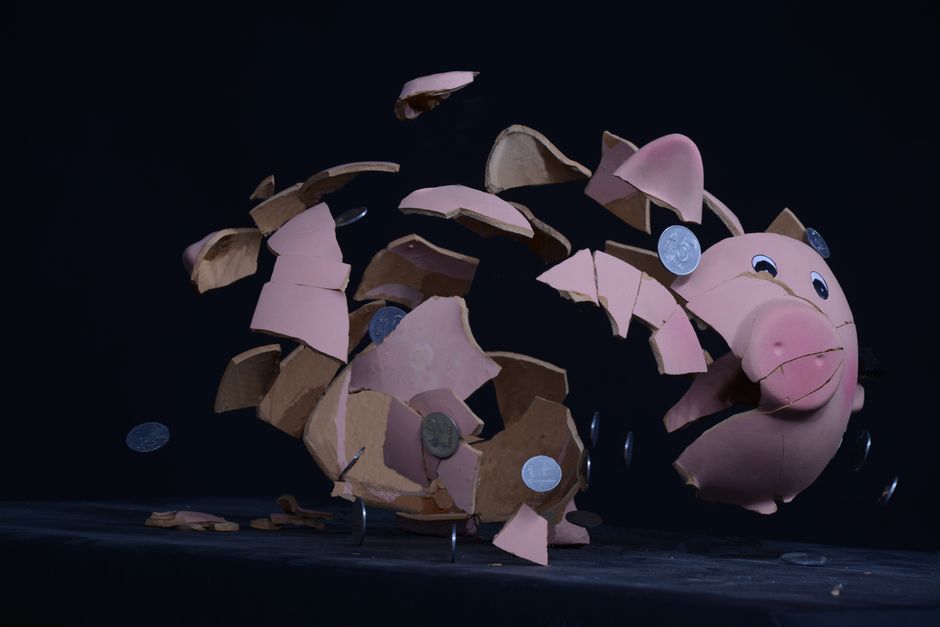
In this article, we’ll explore: The Two Cents Problem: The Long Tail of Period Poverty and why it matters today.
Related:
👉 A Perfect Storm for Bone Loss in Women: Menopause and GLP-1 Weight-Loss Drugs
👉 Beyond the Bench Press: Why Creatine is the Secret Wellness Supplement You’re Missing
👉 Beyond the Leak: Why Perineal Muscle Strength Matters for Young Moms in Mangaluru
Learn more: The Two Cents Problem: The Long Tail of Period Poverty on Investopedia
Imagine for a second that you are sitting in a high school math class. You’re focused on the equations on the board, but suddenly, you feel that familiar, dreaded sensation. You realize your period has started. For most people, this is a minor inconvenience—a quick trip to the bag for a tampon or a whisper to a friend for a spare pad. But for millions of others, this moment marks the beginning of a week-long crisis.
There is a specific, heartbreaking phenomenon known as The Two Cents Problem: The Long Tail of Period Poverty. It isn’t just about the lack of a pad; it is about the astronomical cost of being just a few cents short of dignity. It is the story of how a tiny financial gap creates a massive ripple effect that impacts education, health, and economic survival for a lifetime.
What Exactly is “The Two Cents Problem”?
When we talk about poverty, we often think in big numbers—rent prices, medical bills, or tuition costs. But poverty is often lived in the margins of the “small.” The “Two Cents Problem” refers to that razor-thin margin where a person has enough money for food, but not the extra few cents or dollars required for menstrual products.
In many parts of the world, and even in low-income neighborhoods in the United States and the UK, the cost of a single pad can be the difference between a girl going to school or staying home. When you are living on the edge, every cent is accounted for. If a pack of pads goes up by fifty cents due to inflation, it doesn’t just mean “less savings”—it means someone is forced to use a rag, a newspaper, or a handful of toilet paper instead.
The “Long Tail” Explained
In economics, the “long tail” refers to the strategy of targeting a large number of niche markets. In the context of period poverty, the “long tail” represents the lingering, long-term consequences of that initial lack of resources. The problem doesn’t end when the period does. The effects trail behind the individual for years, affecting their earning potential and their physical well-being.
The Education Gap: Missing a Week Every Month
Let’s look at the most immediate “long tail” effect: education. In many developing nations, and increasingly in Western public schools, students miss up to 20% of their school year because of their periods.
Think about the math. If a student misses 3 to 5 days every month because they don’t have the supplies to manage their period safely and discreetly, they fall behind. They miss the test prep, the science lab, and the social connections. Over a decade of schooling, that adds up to nearly two full years of missed education.
- The Literacy Drop: Students who miss school frequently are less likely to reach reading proficiency.
- The Dropout Cycle: Once a student falls too far behind, the frustration often leads to dropping out entirely.
- The Confidence Hit: The fear of “leaking” or being teased creates a psychological barrier to attending school even when products are available.
This is how The Two Cents Problem: The Long Tail of Period Poverty keeps the cycle of poverty spinning. Without an education, the chances of securing a high-paying job vanish, ensuring the next generation faces the same struggle.
The Hidden Health Crisis: More Than Just Discomfort
When someone cannot afford proper menstrual products, they don’t stop having their period. They are forced to improvise. This is where the long tail gets dangerous.
I once spoke with a community health worker who described “The Two Cents Problem” in vivid, painful detail. She met women who were using old rags that hadn’t been properly dried, or even dried husks of corn and sand wrapped in cloth. In urban areas, some use napkins from fast-food restaurants or stolen toilet paper from public restrooms.
Physical Consequences
Using unhygienic materials leads to a host of health issues that cost far more than a box of tampons ever would:
- Urogenital Infections: Frequent yeast infections and bacterial vaginosis.
- UTIs: Urinary tract infections that, if left untreated, can lead to kidney damage.
- Toxic Shock Syndrome (TSS): When people try to make a single tampon last for 24 or 48 hours to “save money,” they risk life-threatening infections.
- Reproductive Health Issues: Long-term scarring from chronic infections can lead to infertility.
The irony is cruel: a person can’t afford a $5 box of pads, so they end up with a $500 medical bill or a lifetime of chronic pain. That is the long tail in action.
The Economic Trap: Work and Productivity
The Two Cents Problem doesn’t stop after graduation. For adult women in the workforce, especially those in the “gig economy” or hourly manual labor, a period can mean a loss of income.
Imagine working a factory job where you are allowed two 5-minute bathroom breaks a day. If you don’t have high-quality menstrual products, you cannot “hold it” or make a makeshift solution last. If you leak through your clothes, you are sent home. If you are sent home, you aren’t paid. If you aren’t paid, you definitely can’t afford the pads for next month.
This creates a “Period Poverty Loop”:
- No money for supplies.
- Missing work due to lack of supplies.
- Less money in the paycheck.
- Even less ability to buy supplies next month.
The Mental Health Burden: The Weight of Stigma
We cannot talk about The Two Cents Problem: The Long Tail of Period Poverty without talking about the psychological toll. There is a specific kind of shame associated with periods that doesn’t exist for other biological functions.
When you can’t afford toilet paper, people feel bad for you. When you can’t afford a pad, people often feel “grossed out.” This stigma forces people into silence. They won’t ask for help, they won’t go to food banks (which often lack these supplies anyway), and they withdraw from society.
This isolation leads to anxiety and depression. The “long tail” here is the loss of self-worth. It’s hard to feel like a productive, capable member of society when you are constantly worried about a basic bodily function betraying you in public.
Real-World Examples: It’s Closer Than You Think
While we often think of this as a “developing world” issue, it is rampant in the West. In the United States, 1 in 4 teens has struggled to afford period products. In the UK, the “Free Periods” movement was sparked by stories of girls using taped-up socks because their families had to choose between heating the house and buying Always pads.
In Scotland, they became the first country in the world to make period products free for everyone. Why? Because they recognized that the “Two Cents Problem” was costing the government millions in lost productivity and healthcare expenses. They realized it was cheaper to give the products away than to deal with the long tail of the consequences.
How We Can Cut the Long Tail
Solving this isn’t just about charity; it’s about systemic change. Here is how we start cutting the tail short:
- Ending the “Pink Tax”: Many regions still tax menstrual products as “luxury items” while items like Viagra or golf club memberships are exempt. This is a direct contributor to the Two Cents Problem.
- Mandatory Supplies in Schools: Just as schools provide soap and toilet paper, they must provide pads and tampons. Period.
- Normalizing the Conversation: The more we talk about periods as a standard health issue, the less power the stigma has.
- Support for Food Banks: When donating to food drives, don’t just bring canned corn. Bring a box of pads. They are often the most requested but least donated items.
Key Takeaways
- The Two Cents Problem is the tiny financial gap that prevents people from accessing basic menstrual hygiene.
- The Long Tail refers to the cumulative effects: missed education, chronic health issues, and lost wages.
- Period poverty affects 1 in 4 students even in developed nations.
- The health risks of using improvised materials can lead to lifelong reproductive issues.
- Systemic solutions like free products in schools and ending the “Pink Tax” are essential to breaking the cycle.
Frequently Asked Questions
What is the main cause of period poverty?
The main cause is a combination of low income, high costs of products (exacerbated by taxes), and a lack of access to clean water and private sanitation facilities. Stigma also plays a role by preventing people from seeking help.
How does period poverty affect a person’s mental health?
It leads to significant anxiety, shame, and social isolation. The fear of “accidents” in public can cause people to withdraw from social activities, work, and school, leading to long-term depression.
Is period poverty only a problem in poor countries?
No. It is a global issue. In wealthy nations, many families living below the poverty line struggle to afford these products, as they are often not covered by government assistance programs like WIC or SNAP.
What can I do to help?
You can donate products to local shelters and food banks, advocate for free products in your local school district, and support organizations like Period.org or the Red Box Project that work to end the stigma and provide supplies.
At the end of the day, The Two Cents Problem: The Long Tail of Period Poverty is a solvable issue. It doesn’t require a scientific breakthrough or a complex new technology. It simply requires us to recognize that dignity shouldn’t have a price tag—especially not one as small as a few cents.
Written with love and assistance and refined for quality.
🔗 Related: Perineal muscle strength as a predictor…
🔗 Related: Yes Creatine Can Help With StrengthBut…