In this article, we’ll explore: 8 Foods To Avoid With an Upset Stomachand What To Eat Instead and why it matters today.
Related:
👉 Unraveling the Silent Story: How Hormonal Mechanisms Shape Women's Risk in the Face of Traumatic Stress
👉 Navigating Tummy Troubles: 8 Foods To Avoid With an Upset Stomach and What To Eat Instead
👉 Unpacking the Invisible Battle: How Hormonal Mechanisms Influence Women's Risk in the Face of Traumatic Stress
Learn more: 8 Foods To Avoid With an Upset Stomachand What To Eat Instead on Investopedia
We’ve all been there. That familiar gnawing, bubbling, or just plain queasy feeling in your stomach that signals trouble. An upset stomach isn’t just uncomfortable; it can throw your entire day off kilter, making it hard to focus, relax, or even just enjoy a simple moment. Whether it’s a fleeting bout of indigestion, a touch of food poisoning, or a more persistent issue, your gut is sending you a clear message: “Hey, something’s not right down here!”
In these moments, our first instinct might be to reach for a quick fix or just tough it out. But what if the very foods we’re putting into our bodies are making things worse? Or, conversely, what if certain foods could actually help soothe the storm within? The truth is, when your stomach is feeling delicate, your food choices become incredibly important. Eating the wrong things can exacerbate pain, nausea, and discomfort, while opting for the right foods can provide much-needed relief and aid recovery.
That’s why we’re diving deep into the world of tummy troubles today. We’re going to explore the **8 Foods To Avoid With an Upset Stomach and What To Eat Instead**, offering you a practical guide to navigating those tricky culinary waters. Think of this as your personal roadmap to feeling better, faster, by understanding what to ditch and what to embrace when your gut is in distress. Let’s get your digestive system back on track!
The Culprits: 8 Foods to Steer Clear Of When Your Tummy Is Troubled
When your stomach is feeling sensitive, it’s like a delicate flower that needs gentle care. Introducing harsh or irritating substances can cause it to wilt further. Here are the top offenders that often make an upset stomach feel much, much worse.
1. Fried and Greasy Foods
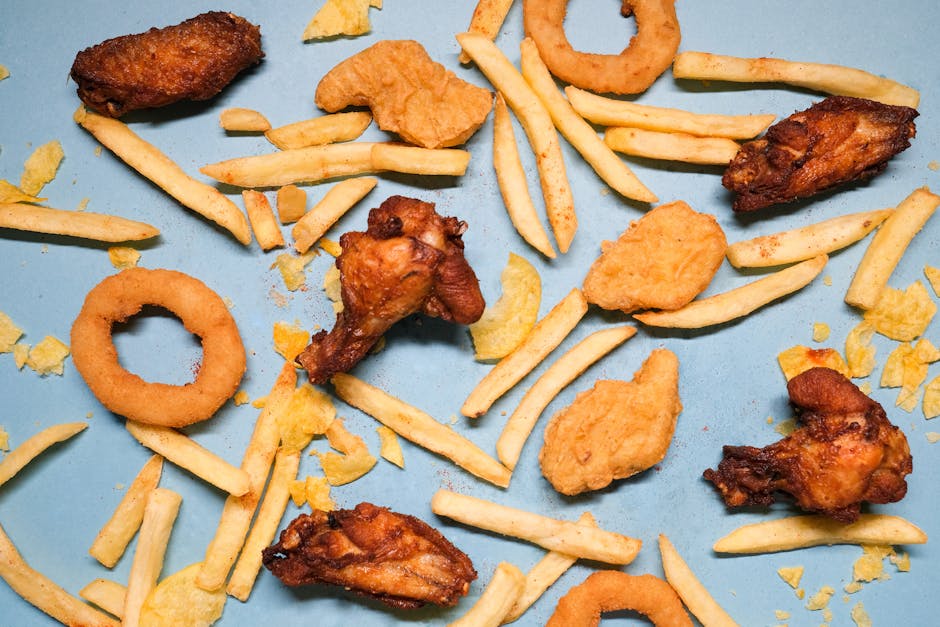
Imagine a plate of crispy fries, a juicy burger, or a decadent slice of pizza. Delicious, right? But when your stomach is upset, these foods are like pouring oil on a fire. High in fat, they are notoriously difficult to digest, requiring your digestive system to work overtime. This can lead to increased nausea, heartburn, and even diarrhea. Your body has to produce more digestive enzymes and bile, which can irritate an already sensitive lining.
**What to Eat Instead:** Opt for lean proteins that are steamed, baked, or grilled, like plain chicken or fish. A simple baked potato (without butter or sour cream) is also a great, gentle option.
2. Spicy Foods
Love a kick of chili or a dash of hot sauce? When your stomach is upset, it’s best to put the spice rack away. Capsaicin, the compound that gives peppers their heat, can irritate the stomach lining and trigger heartburn, indigestion, and even abdominal pain, especially if you’re prone to acid reflux. It’s like adding fuel to an already burning fire in your gut.
**What to Eat Instead:** Stick to bland, mild foods. Think plain rice, oatmeal, or toast. If you need a little flavor, try a pinch of salt or a mild herb like parsley.
3. High-Acid Foods (Citrus Fruits & Tomatoes)
While fruits like oranges, grapefruits, and lemons are packed with vitamin C and generally healthy, their high acidity can be problematic for an upset stomach. Similarly, tomatoes, tomato sauce, and tomato-based products (like ketchup or pizza sauce) are also quite acidic. This acidity can aggravate an irritated stomach lining, leading to increased heartburn, reflux, and general discomfort. If you’ve ever felt that burning sensation after a glass of orange juice when your stomach was already feeling off, you know exactly what we mean.
**What to Eat Instead:** Reach for low-acid fruits like bananas, melon, or applesauce. These are much gentler on the stomach and provide essential nutrients without the irritation.
4. Dairy Products
For many people, dairy can be a real troublemaker when their stomach is upset, even if they don’t typically have severe lactose intolerance. Lactose, the sugar found in milk and other dairy products, requires a specific enzyme (lactase) to break it down. When your digestive system is already compromised, lactase production might be lower, leading to gas, bloating, cramps, and diarrhea. Even a small amount of milk in your tea can be enough to trigger symptoms.
**What to Eat Instead:** If you suspect dairy is an issue, try lactose-free milk or plant-based alternatives like almond milk or rice milk. For protein, opt for lean meats or plant-based sources.
5. High-Fiber, Raw Vegetables and Legumes
While fiber is fantastic for long-term digestive health, a high intake of raw, fibrous vegetables (like broccoli, cabbage, kale, and Brussels sprouts) or legumes (beans, lentils) can be challenging for an upset stomach. These foods can produce a lot of gas during digestion, leading to bloating and discomfort. The tough fibers can also be harder to break down, putting extra strain on an already sensitive gut.
**What to Eat Instead:** Choose well-cooked, soft vegetables like boiled carrots, peeled potatoes, or cooked spinach. White rice is also a good low-fiber, easily digestible option.
6. Caffeinated and Carbonated Drinks
That morning coffee might be your ritual, but when your stomach is upset, it’s best to temporarily break up with caffeine. Caffeine is a stimulant that can increase stomach acid production and act as a diuretic, potentially leading to dehydration, which can worsen an upset stomach. Similarly, carbonated drinks like soda or sparkling water can introduce excess gas into your digestive system, causing bloating and discomfort. The sugars and artificial ingredients in many sodas don’t help either.
**What to Eat Instead:** Sip on clear fluids like water, electrolyte solutions, or soothing herbal teas (ginger or chamomile are excellent choices). Diluted fruit juice (like apple juice) can also be an option for a little sweetness.
7. Alcohol
This one might seem obvious, but it’s worth reiterating. Alcohol is a direct irritant to the stomach lining. It can increase stomach acid, cause inflammation, and dehydrate your body, all of which are terrible for an upset stomach. Even a small amount can delay recovery and intensify symptoms like nausea and heartburn.
**What to Eat Instead:** Stick strictly to water, clear broths, and rehydration solutions. Your body needs to recover without further irritation.
8. Artificial Sweeteners and Processed Snacks
Many processed snacks, candies, and diet drinks contain artificial sweeteners (like sorbitol, xylitol, or aspartame) and other additives that can wreak havoc on a sensitive digestive system. These sweeteners are often poorly absorbed and can ferment in the gut, leading to gas, bloating, and diarrhea. Highly processed foods are also typically low in nutrients and high in unhealthy fats, sugars, and salts, all of which are detrimental when your stomach is trying to heal.
**What to Eat Instead:** Reach for simple, unprocessed foods. Plain crackers, unsweetened applesauce, or a slice of plain toast are much better choices.
Your Tummy’s Best Friends: What to Embrace Instead
Now that we know what to avoid, let’s talk about the foods that can genuinely help soothe your stomach and promote healing. These are your go-to comfort foods when your digestive system is feeling delicate.
* **The BRAT Diet Basics:** Bananas, Rice (white), Applesauce, and Toast (plain, white). These are low-fiber, bland, and easy to digest, providing essential calories without irritating your gut.
* **Ginger:** Known for its anti-nausea properties, ginger can be incredibly soothing. Try ginger tea (made from fresh ginger root) or ginger ale (flat, with real ginger, not artificial flavors).
* **Chamomile Tea:** A gentle, calming herb that can help relax the digestive muscles and reduce inflammation.
* **Peppermint Tea:** Similar to chamomile, peppermint can help ease nausea and soothe stomach cramps, but be mindful if you suffer from acid reflux, as it can sometimes worsen those symptoms for some individuals.
* **Clear Broths:** Chicken or vegetable broth provides hydration and electrolytes without putting strain on your digestive system.
* **Plain Crackers:** Saltine crackers or other plain, unsalted varieties can help absorb stomach acid and settle nausea.
* **Cooked Vegetables:** Soft, cooked vegetables like boiled carrots, squash, or green beans are easier to digest than raw ones.
* **Lean Protein:** Once you feel ready, small amounts of plain, baked, or steamed chicken or fish can provide necessary protein without added fats.
Key Takeaways for a Happy Tummy
When your stomach is upset, remember these core principles:
* **Listen to Your Body:** Pay attention to how different foods make you feel. Your body is the best guide.
* **Bland is Best:** Opt for simple, unprocessed, and mild foods.
* **Hydrate, Hydrate, Hydrate:** Clear fluids are crucial for recovery.
* **Small, Frequent Meals:** Don’t overload your digestive system.
* **Patience is Key:** It takes time for your stomach to recover. Don’t rush back to trigger foods.
FAQ: Your Upset Stomach Questions Answered
Q1: How long should I avoid these “bad” foods after my stomach feels better?
It’s generally a good idea to introduce trigger foods slowly, one at a time, over a few days after your symptoms have completely subsided. Start with small portions and see how your body reacts. If you had a severe upset stomach, you might want to wait a bit longer, perhaps a week, before going back to your regular diet.
Q2: What if I don’t know what’s causing my upset stomach?
If you frequently experience an upset stomach, or if your symptoms are severe, persistent, or accompanied by fever, severe pain, or blood, it’s crucial to consult a doctor. This guide is for general discomfort, but persistent issues require professional medical advice to diagnose the underlying cause.
Q3: Is it okay to fast when I have an upset stomach?
For very short periods (a few hours), fasting might give your digestive system a break, especially if you’re experiencing nausea or vomiting. However, prolonged fasting can lead to dehydration and lack of nutrients. It’s usually better to try small sips of clear liquids and bland foods as soon as you can tolerate them to provide energy and aid recovery.
Q4: Can probiotics help an upset stomach?
Yes, sometimes. Probiotics can help restore the balance of good bacteria in your gut, which can be beneficial after an upset stomach, especially if it was caused by an infection or antibiotics. However, it’s best to introduce them gently and perhaps consult with a healthcare professional, as not all probiotics are suitable for every condition.
Conclusion: Empowering Your Gut Health
Dealing with an upset stomach is never fun, but by making informed food choices, you can significantly reduce discomfort and speed up your recovery. Remembering the **8 Foods To Avoid With an Upset Stomach and What To Eat Instead** can transform a miserable experience into a manageable one, helping you get back on your feet faster.
Your digestive system works tirelessly for you every day. When it sends out an SOS, it’s time to listen and treat it with the care it deserves. By choosing soothing, easy-to-digest foods, you’re not just alleviating symptoms; you’re actively supporting your body’s natural healing process. So, the next time your tummy starts to rumble, you’ll be armed with the knowledge to make the best food choices for relief and recovery. Here’s to a happier, healthier gut!
Written with love and assistance and refined for quality.
{“@context”:”https://schema.org”,”@type”:”Article”,”headline”:”Taming the Tummy Trouble: 8 Foods To Avoid With an Upset Stomach and What To Eat Instead for Quick Relief”,”description”:”In this article, weu2019ll explore: 8 Foods To Avoid With an Upset Stomachand What To Eat Instead and why it…”,”author”:{“@type”:”Person”,”name”:”rahuljait”},”datePublished”:”2026-05-14T10:49:58+00:00″,”dateModified”:”2026-05-14T10:49:58+00:00″,”mainEntityOfPage”:”https://healthyworldz.com/taming-the-tummy-trouble-8-foods-to-avoid-with-an-upset-stomach-and-what-to-eat-instead-for-quick-relief/”,”image”:[“https://healthyworldz.com/wp-content/uploads/2026/05/8-foods-to-avoid-with-an-upset-stomachand-what-to-eat-instead-44.jpg”]}
🔗 Related: Women with polycystic ovary syndrome exhibit…
🔗 Related: 8 Foods To Avoid With an…