
In this article, we’ll explore: Mosque workshops help Muslim women discuss reproductive health in NSW and why it matters today.
Related:
👉 Why We Need to Talk About Pelvic Health: Understanding Stress Urinary Incontinence in Young Moms in Mangaluru
👉 Why Your Next Metro Ride is Getting a Healthy Makeover: The New Initiative for Women’s Well-being
👉 She was out to change the world and she said so: The death of feminist leader Gloria Steinem reminds us of what is at stake
Learn more: Mosque workshops help Muslim women discuss reproductive health in NSW on Google Search
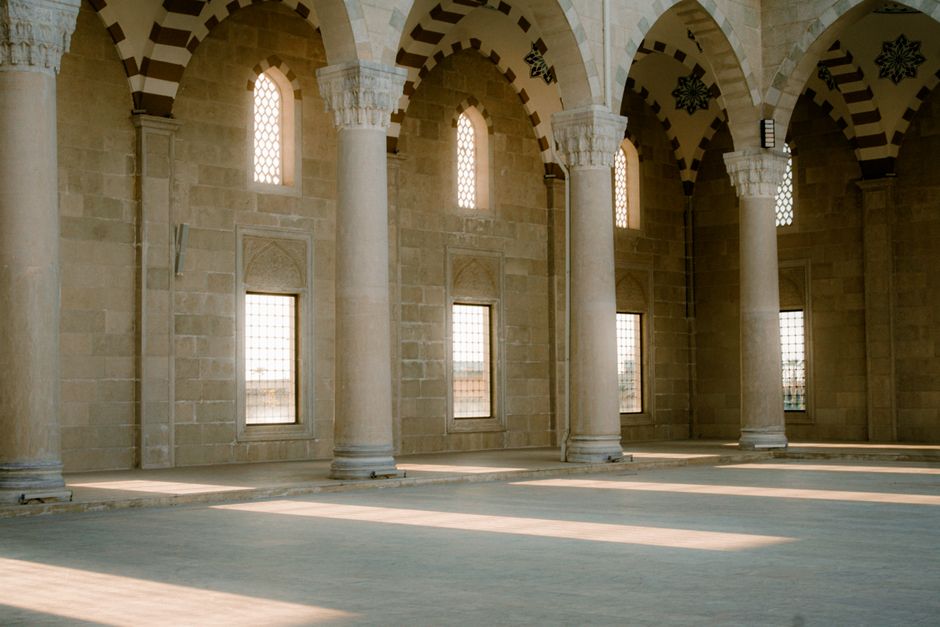
Imagine walking into a mosque. Usually, you’d expect the quiet hum of prayer or the rhythmic recitation of the Quran. But lately, in various community halls across New South Wales (NSW), the atmosphere is a little different. There’s still the smell of tea and the sound of laughter, but the conversation has shifted toward something that was once whispered about in hushed tones: reproductive health.
For many years, topics like menstruation, menopause, and cervical screenings were considered “private matters”—sometimes so private that women didn’t even discuss them with their doctors. But things are changing. A wave of new initiatives is proving that mosque workshops help Muslim women discuss reproductive health in NSW in a way that feels safe, respectful, and incredibly empowering.
In this post, we’re going to explore why these workshops are a game-changer, the stories of the women involved, and why bringing healthcare into a religious space is actually the smartest move for public health in Australia.
Why the Mosque is the Perfect Place for Health Talks
You might wonder, why a mosque? Why not just a GP clinic or a community center? The answer lies in trust. For many Muslim women in NSW, especially those from migrant or refugee backgrounds, the mosque isn’t just a place of worship; it’s the heartbeat of their social life. It’s where they see their friends, seek advice, and feel a sense of belonging.
When a health workshop is held inside a mosque, it carries a “seal of approval.” It signals to the community that looking after your body isn’t just a medical necessity—it’s a part of taking care of the gift of life. By moving these conversations into a familiar, sacred space, the “shame” or “taboo” often associated with reproductive health begins to melt away.
Breaking Down the Barrier of “Haya” (Modesty)
In Islamic culture, haya (modesty) is a beautiful and respected concept. However, sometimes modesty can be misunderstood as a reason to avoid talking about health. Women might feel embarrassed to ask about pelvic exams or contraception.
These workshops are designed by women, for women. Usually led by female Muslim doctors or health educators, they create a “no-judgment zone.” When the person leading the talk understands your faith and your cultural nuances, you’re much more likely to raise your hand and ask that “embarrassing” question you’ve been holding onto for years.
What Actually Happens in These Workshops?
It’s not just a boring lecture with a PowerPoint presentation. These sessions are interactive, emotional, and often very lively. Because mosque workshops help Muslim women discuss reproductive health in NSW, the curriculum is tailored to what the community actually needs.
1. Navigating Menopause
Menopause is often called the “silent transition.” Many women go through hot flashes, mood changes, and physical discomfort without knowing what’s happening to them. In these workshops, health experts explain the biological process of menopause, making it clear that it’s a natural stage of life, not a “sickness” to be hidden.
2. The Importance of Cervical Screenings
Statistics have shown that women from culturally and linguistically diverse (CALD) backgrounds in NSW often have lower rates of cervical screening. Fear of the procedure or a lack of understanding about why it’s needed can be major hurdles. Workshops provide a space to explain the “self-collection” option—a game-changer for modesty—where women can take their own samples in private.
3. Maternal Health and Contraception
There are often many myths surrounding family planning and Islam. By having a scholar or a knowledgeable educator present, women can learn that many forms of health-related family planning are entirely permissible. This clears up confusion and allows women to make informed choices about their own bodies and families.
A Real-World Example: Amina’s Story
To understand the impact, let’s look at a story from a workshop held in Western Sydney. We’ll call her Amina. Amina is a 45-year-old mother of four who moved to NSW a decade ago. She had never had a Pap smear or a cervical screening. Not because she didn’t care about her health, but because she was terrified of the process and didn’t know how to ask for a female doctor.
Amina attended a workshop at her local mosque titled “Healthy Sisters, Healthy Community.” During the session, a female GP explained the screening process using simple diagrams and showed the equipment used. She explained that in NSW, you can request a female practitioner and even perform the test yourself via self-collection.
“I always thought it was something shameful,” Amina said after the session. “But seeing the doctor talk about it so normally, in the same room where we pray, made me realize that Allah wants us to be healthy. I booked my appointment the next day.”
Amina’s story isn’t unique. Hundreds of women across Sydney, from Lakemba to Parramatta, are having these “lightbulb moments.”
The Role of NSW Health and Local Partnerships
This isn’t just happening by accident. It’s the result of hard work by organizations like the Western Sydney Local Health District (WSLHD), the Multicultural Health Communication Service, and various Muslim women’s associations.
These groups recognize that a “one size fits all” approach to healthcare doesn’t work. By partnering with mosques, they are meeting women where they are. They provide resources in Arabic, Urdu, Bengali, and Dari, ensuring that language is never a barrier to life-saving information.
Key Benefits of the Workshop Model:
- Language Support: Information is provided in the community’s native tongue.
- Cultural Safety: Respect for religious timings (like prayer breaks) and dietary requirements (Halal catering).
- Peer Support: Women realize they aren’t alone in their health struggles.
- Direct Access: Often, nurses are on-site to help women book appointments immediately.
Overcoming the Challenges
Of course, it hasn’t always been easy. Initially, some community members were skeptical. There was a fear that these workshops might promote values that didn’t align with their faith.
However, the organizers were smart. They involved female religious scholars who could provide an Islamic perspective on health. They used verses from the Quran and Hadiths that emphasize the importance of seeking medical treatment. When the community saw that the workshops were about empowerment and prevention, the skepticism turned into overwhelming support.
How to Get Involved or Start a Conversation
If you’re a woman in NSW and want to attend one of these sessions, the best place to start is your local mosque’s community board or social media page. Many of these events are advertised through WhatsApp groups or word-of-mouth within the community.
For those who aren’t in NSW but want to see similar changes in their area, the blueprint is simple: Collaboration. It takes a bridge between medical professionals and community leaders to make a real difference.
Key Takeaways
- Mosque workshops help Muslim women discuss reproductive health in NSW by providing a trusted, culturally safe environment.
- These sessions tackle “taboo” topics like menopause, cervical screening, and maternal health.
- Representation matters—having female Muslim doctors lead the way increases trust and participation.
- The move toward “self-collection” for screenings is significantly increasing health check rates among modest women.
- Health is viewed as a holistic responsibility, aligning medical science with religious values.
Conclusion: A Healthier Future for Everyone
At the end of the day, health is a universal right. But the way we access that health information needs to be as diverse as the people receiving it. By bringing reproductive health discussions into the mosque, NSW is setting a gold standard for how to care for multicultural communities.
When women are healthy, families are healthy. When families are healthy, the whole community thrives. These workshops are more than just medical seminars; they are a celebration of life, a breakdown of old barriers, and a step toward a future where no woman has to suffer in silence because of shame or fear.
Frequently Asked Questions (FAQ)
1. Are these workshops only for older women?
Not at all! While some sessions focus on menopause, many others are designed for young women, newly married couples, or new mothers. There is something for every stage of a woman’s life.
2. Is the information shared religiously accurate?
Yes. Organizers often work closely with female scholars to ensure that the health advice given is presented in a way that respects and aligns with Islamic principles.
3. Do I have to be a member of that specific mosque to attend?
Usually, no. Most mosque-based health workshops are open to all women in the community, regardless of which mosque they usually attend.
4. Can I bring my children?
Many workshops are “child-friendly” and provide a space for kids to play, as the organizers understand that childcare can be a barrier for women wanting to attend health sessions.
5. Where can I find more information about upcoming health events in NSW?
You can check the NSW Health website, follow the “Multicultural Health Communication Service” on social media, or ask the administration office at your local mosque.
Written with love and assistance and refined for quality.
🔗 Related: She was out to change the…
🔗 Related: Union Health Ministry rolls out Delhi…
🔗 Related: Foundayo: Oral GLP-1 Demonstrated Up to…



Pingback: UK school ditches technology shifts from screen to pen and paper for learning - HealthyWorldz