In this article, we’ll explore: 8 Foods To Avoid With an Upset Stomachand What To Eat Instead and why it matters today.
Related:
👉 Unlocking the Mystery: How PCOS Impacts Your Uterus, Fertility, and What "Excessive ER and Histone Lactylation" Really Means
👉 Navigating the Nausea: 8 Foods To Avoid With an Upset Stomach and What To Eat Instead for Soothing Relief
👉 The Unseen Symphony: How Hormones Shape Women's Risk in the Face of Traumatic Stress
Learn more: 8 Foods To Avoid With an Upset Stomachand What To Eat Instead on Investopedia
Picture this: you wake up with that familiar, unwelcome rumble in your tummy. Maybe it’s a dull ache, a churning sensation, or an urgent need to be near a bathroom. Whatever form it takes, an upset stomach is a universal misery, leaving you feeling drained, uncomfortable, and utterly out of sorts. It’s a moment when your body is practically shouting for a break, and the last thing it needs is a culinary curveball.
In these delicate times, what you put into your body can make all the difference between prolonged discomfort and a quicker path to relief. It’s not just about avoiding “bad” foods; it’s about understanding *why* certain foods irritate an already sensitive digestive system and knowing which gentle alternatives can actually help soothe and heal. Because let’s be honest, when your stomach is doing somersaults, the last thing you want is to make it worse with a well-intentioned but misguided meal choice.
This isn’t just about temporary relief; it’s about giving your gut the respect and care it deserves. So, if you’re feeling queasy, bloated, or just plain off, you’ve come to the right place. We’re going to dive deep into **8 foods to avoid with an upset stomach and what to eat instead**, arming you with the knowledge to make smart choices when your tummy needs a little TLC.
The Culprits: 8 Foods to Steer Clear Of When Your Tummy’s Troubled
When your digestive system is already in distress, it’s working overtime. Introducing foods that are difficult to break down, highly acidic, or inflammatory can exacerbate symptoms and delay recovery. Think of these as the “no-go” zones for a sensitive stomach.
1. Spicy Foods: The Fiery Foe
Oh, how we love a good kick! But when your stomach is upset, that kick can feel like a punch. Capsaicin, the compound that gives chili peppers their heat, can irritate the lining of the stomach and intestines, leading to increased acidity, heartburn, and even diarrhea. Imagine trying to soothe a burn with more fire – that’s essentially what spicy food does to an irritated gut.
- Why avoid: Irritates stomach lining, increases acid production, can cause burning and discomfort.
- What to eat instead: Stick to bland, non-spicy options like plain boiled chicken, steamed fish, or simple rice. Focus on gentle flavors that won’t provoke further irritation.
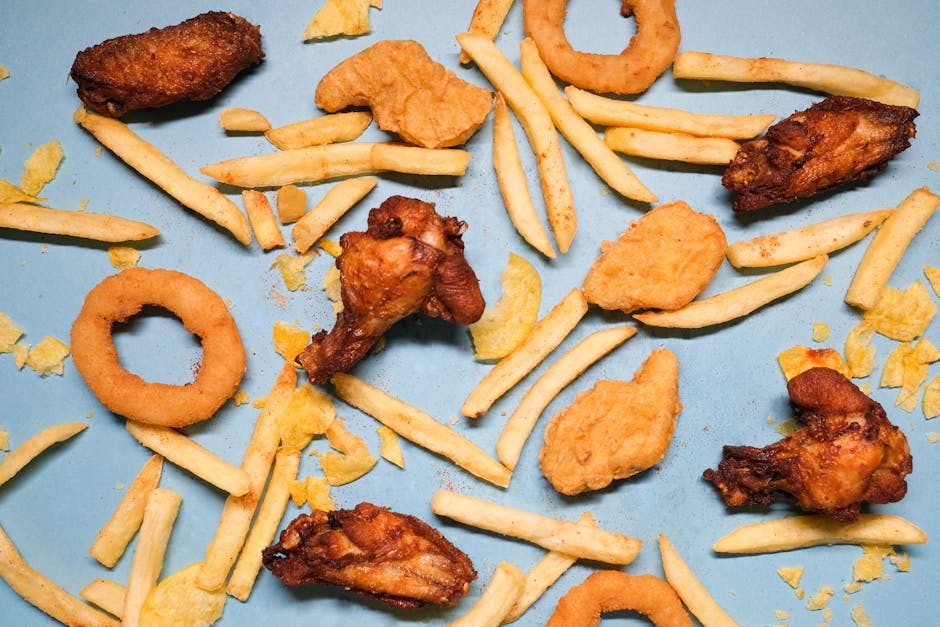
2. High-Fat and Fried Foods: The Grease Trap
That greasy burger or crispy fried chicken might be tempting, but they are a nightmare for an upset stomach. Foods high in fat take a long time to digest, forcing your digestive system to work harder. This prolonged digestion can lead to nausea, bloating, and even indigestion. Plus, the oils used in frying can be inflammatory.
- Why avoid: Slows digestion, increases stomach acid, can cause nausea, bloating, and heartburn.
- What to eat instead: Opt for lean proteins prepared simply, like baked chicken breast or grilled turkey. Steamed or baked potatoes are also excellent choices. Think gentle and easy on the system.
3. Dairy Products: The Lactose Load (for some)
While dairy can be a source of calcium and protein, for many, especially those with lactose intolerance, it can be a major trigger for an upset stomach. Lactose, the sugar in dairy, can be difficult to digest if your body doesn’t produce enough lactase enzyme. This leads to gas, bloating, cramps, and diarrhea. Even if you’re not fully lactose intolerant, a sensitive stomach might struggle with dairy’s complexity.
- Why avoid: Lactose can be hard to digest, leading to gas, bloating, and diarrhea for those with intolerance.
- What to eat instead: If you suspect dairy is an issue, try lactose-free alternatives like almond milk or oat milk. Small amounts of plain yogurt with live cultures might be tolerated by some, as the cultures help break down lactose, but proceed with caution.
4. Acidic Foods: The Sour Surprise
Citrus fruits like oranges and grapefruits, as well as tomatoes and tomato-based sauces, are highly acidic. While generally healthy, their high acid content can irritate an already inflamed stomach lining, leading to increased heartburn, reflux, and general discomfort. Imagine pouring lemon juice on a cut – that’s a bit like what acidic foods can do to your sensitive gut.
- Why avoid: High acid content can irritate the stomach lining and worsen reflux or heartburn.
- What to eat instead: Choose low-acid fruits like bananas, melons, or applesauce. For vegetables, stick to cooked, non-acidic options like carrots, green beans, or squash.
5. Caffeine: The Jittery Jolt
That morning cup of coffee might be your lifeblood, but when your stomach is upset, it can be a foe. Caffeine is a stimulant that can increase stomach acid production and act as a laxative, potentially worsening diarrhea or stomach cramps. It also relaxes the esophageal sphincter, contributing to reflux. It’s like giving an already agitated system another jolt.
- Why avoid: Increases stomach acid, acts as a laxative, can worsen reflux and cramps.
- What to eat instead: Opt for decaffeinated herbal teas like ginger or peppermint, which are known for their stomach-soothing properties. Warm water with a slice of lemon (if tolerated) can also be hydrating.
6. Carbonated Drinks: The Fizzy Fiasco
Sodas, sparkling water, and other carbonated beverages might seem refreshing, but the bubbles are actually gas. When you drink them, you’re introducing more gas into your digestive system, which can lead to bloating, burping, and increased pressure in an already uncomfortable stomach. It’s like inflating a balloon inside your tummy.
- Why avoid: Introduces gas, leading to bloating, burping, and discomfort.
- What to eat instead: Stick to plain water, clear broths, or diluted fruit juices (like apple or grape, diluted 50/50 with water). Electrolyte drinks can also be helpful for rehydration.
7. Raw Vegetables and High-Fiber Foods: The Roughage Rumble
While fiber is fantastic for long-term gut health, raw, fibrous vegetables (especially cruciferous ones like broccoli, cabbage, and cauliflower) can be tough to digest when your stomach is sensitive. Their complex fibers require more work from your digestive system, potentially leading to gas and bloating. Think of them as tiny scrubbing brushes – great for cleaning, but not for a raw wound.
- Why avoid: Can be difficult to digest, leading to gas and bloating for a sensitive stomach.
- What to eat instead: Cooked, soft vegetables like boiled carrots, mashed potatoes, or zucchini are much gentler. Focus on easily digestible, low-fiber options until your stomach recovers.
8. Artificial Sweeteners and Sugar Alcohols: The Gut Games
Found in “sugar-free” candies, gums, and diet drinks, artificial sweeteners (like aspartame, sucralose) and sugar alcohols (like sorbitol, xylitol, mannitol) can be notorious for causing digestive distress. They are often poorly absorbed in the gut, leading to gas, bloating, and a laxative effect, particularly in larger quantities. Your gut bacteria can also have a field day with them, producing more gas.
- Why avoid: Poorly absorbed, can cause gas, bloating, and have a laxative effect.
- What to eat instead: If you need a touch of sweetness, a small amount of honey or maple syrup might be tolerated, but it’s best to avoid added sugars altogether when your stomach is upset. Focus on natural, unsweetened foods.
What To Eat Instead: Soothing Your Stomach Back to Health
Now that we’ve covered what to avoid, let’s talk about the good stuff – the foods that can actually help calm your angry tummy and support its healing process. Think bland, gentle, and easy to digest.
- The BRAT Diet: Bananas, Rice, Applesauce, Toast. This classic combination is low in fiber, easy to digest, and can help bind stools if diarrhea is an issue.
- Bananas: Easy to digest, provide potassium (often lost during vomiting/diarrhea).
- Rice: White rice is bland and low in fiber, providing energy without irritating the gut.
- Applesauce: Cooked apples are easier to digest than raw, and applesauce provides pectin, a soluble fiber that can be soothing.
- Toast: Plain white toast is easily digestible and can absorb excess stomach acid.
- Clear Broths: Chicken or vegetable broth provides essential fluids and electrolytes without irritating the stomach. They’re warm, comforting, and easy to keep down.
- Ginger: Known for its anti-nausea properties, ginger can be consumed as ginger tea (freshly grated ginger steeped in hot water) or in small amounts of ginger ale (ensure it’s real ginger, not just flavorings).
- Peppermint: Peppermint tea can help relax stomach muscles and alleviate cramps.
- Lean Proteins: Once you can tolerate solid foods, small portions of plain baked chicken or turkey are good sources of protein without added fat or spices.
- Saltine Crackers: Simple and bland, they can help settle the stomach and provide a little sustenance.
Key Takeaways for a Happy Tummy
- Listen to Your Body: Everyone is different. Pay attention to how specific foods make you feel.
- Keep it Bland: When in doubt, opt for simple, unseasoned foods.
- Hydrate: Water, clear broths, and herbal teas are your best friends.
- Small, Frequent Meals: Don’t overload your digestive system. Eat small portions every few hours.
- Rest: Digestion requires energy. Give your body a chance to heal.
FAQ: Your Upset Stomach Questions Answered
Q: How long should I avoid these trigger foods?
A: Generally, you should avoid them until your symptoms have completely subsided for at least 24-48 hours. When reintroducing foods, do so slowly, one at a time, to see how your body reacts. If symptoms return, you might need to avoid that particular food for a longer period or permanently if it’s a consistent trigger.
Q: Can I drink alcohol with an upset stomach?
A: Absolutely not. Alcohol is a known gut irritant. It can dehydrate you, increase stomach acid, and interfere with proper digestion, making your upset stomach much worse. Avoid it until you’re fully recovered.
Q: When should I be concerned and see a doctor?
A: While most upset stomachs resolve on their own, you should seek medical attention if you experience severe abdominal pain, high fever, bloody or black stools, persistent vomiting (especially if you can’t keep fluids down), signs of dehydration (like decreased urination, extreme thirst, dizziness), or if your symptoms last for more than a few days without improvement.
Q: Are probiotics helpful for an upset stomach?
A: Probiotics can be very beneficial for restoring healthy gut flora, especially after an upset stomach caused by infection or antibiotics. However, it’s best to introduce them once your acute symptoms have subsided and you can tolerate bland foods. Consult your doctor or a dietitian for specific recommendations.
Bringing It All Together
Dealing with an upset stomach is never fun, but by making informed food choices, you can significantly ease your discomfort and speed up your recovery. Remember, your digestive system is a delicate ecosystem, and when it’s under stress, it needs gentle care and the right kind of nourishment. By understanding the **8 foods to avoid with an upset stomach and what to eat instead**, you’re empowering yourself to listen to your body and give it exactly what it needs to heal. So, be kind to your gut, choose wisely, and here’s to feeling better soon!
Written with love and assistance and refined for quality.
{“@context”:”https://schema.org”,”@type”:”Article”,”headline”:”Nourish Your Nerves: 8 Foods To Avoid With an Upset Stomach and What To Eat Instead for Gentle Healing”,”description”:”In this article, weu2019ll explore: 8 Foods To Avoid With an Upset Stomachand What To Eat Instead and why it…”,”author”:{“@type”:”Person”,”name”:”rahuljait”},”datePublished”:”2026-05-15T11:39:54+00:00″,”dateModified”:”2026-05-15T11:39:54+00:00″,”mainEntityOfPage”:”https://healthyworldz.com/nourish-your-nerves-8-foods-to-avoid-with-an-upset-stomach-and-what-to-eat-instead-for-gentle-healing/”,”image”:[“https://healthyworldz.com/wp-content/uploads/2026/05/8-foods-to-avoid-with-an-upset-stomachand-what-to-eat-instead-52.jpg”]}
🔗 Related: Women with polycystic ovary syndrome exhibit…
🔗 Related: Hormonal mechanisms of womens risk in…
🔗 Related: 8 Foods To Avoid With an…